
Winter Indoor Gardening: What to Grow on a Windowsill


Winter Indoor Gardening: What to Grow on a Windowsill
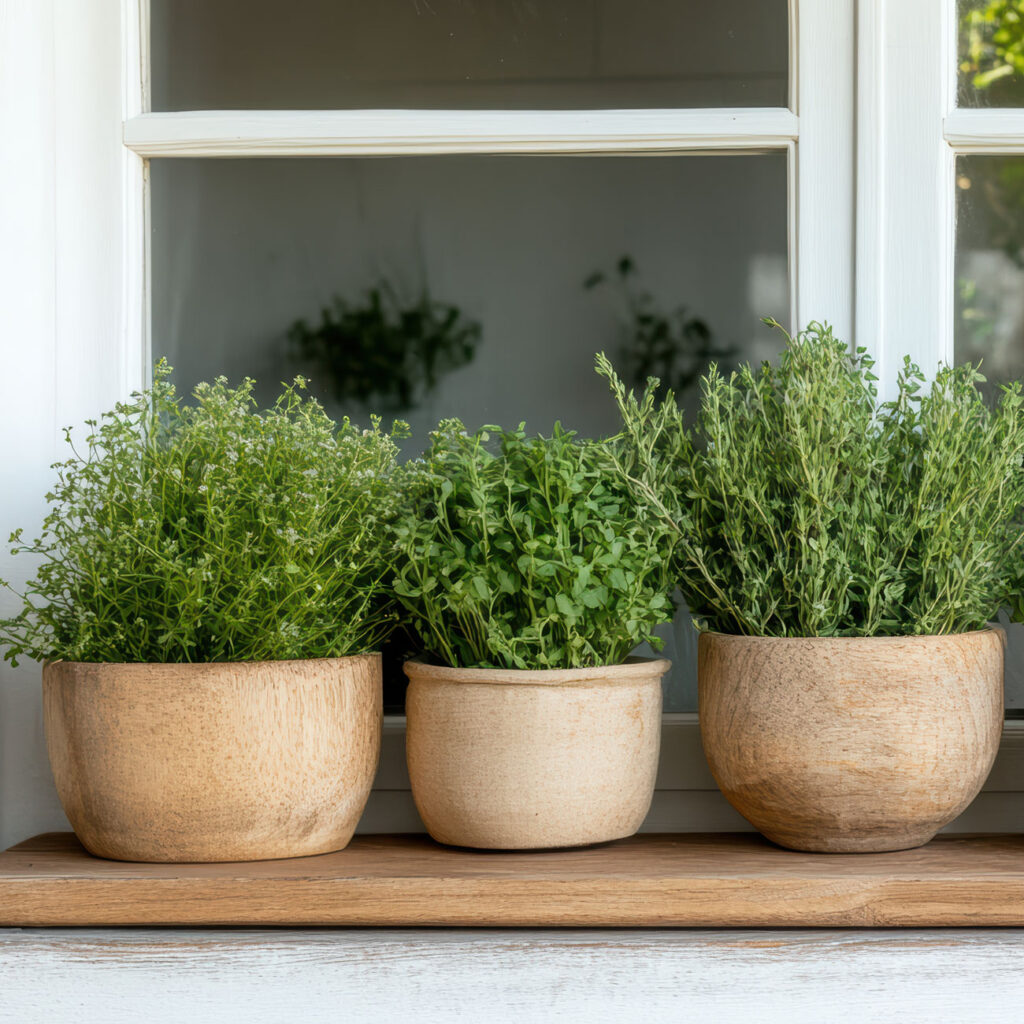
Winter gardening in the UK comes with unique challenges: short days, low sun angles, frequent cloud cover, and cool indoor temperatures. But even with these limitations, it’s entirely possible to grow fresh greens, herbs, and edible plants on a UK windowsill throughout winter — no greenhouse required.
Indoor winter growing isn’t about forcing summer crops to survive; it’s about choosing plants that naturally tolerate low light, cooler temperatures, and slower growth. When matched with a bright south- or west-facing windowsill (or a simple LED light), these crops can provide reliable harvests during the coldest months of the year.
By working with UK winter conditions rather than against them, you can create a small but productive indoor garden that delivers fresh flavours, colour, and life when outdoor gardens are dormant.
Below is a practical guide to the best plants for winter windowsills, organised by type, with clear care tips tailored to UK homes.
Leafy Greens (Best Performers in the UK)
These greens are ideal for UK winters because they tolerate cool temperatures and modest light levels.
Lettuce (Loose-Leaf & Cut-and-Come-Again)
Light: Bright windowsill; south-facing ideal
Temperature: 10–18°C
Water: Keep compost lightly moist
Best types: Salad bowl, oak leaf, mixed baby leaf
Tip: Harvest little and often — outer leaves regrow well
Spinach (Baby Leaf)
Light: Bright indirect light
Temperature: 5–15°C (prefers cooler rooms)
Water: Even moisture, good drainage
Tip: Grows slowly in winter but flavour improves in cooler temps
Swiss Chard (Baby Leaf)
Light: Bright windowsill, tolerates partial shade
Temperature: 8–15°C (cool rooms ideal)
Water: Keep soil moist but well-drained
Tip: Harvest outer leaves continuously; baby leaves are best for indoor winter growth
Rocket (Arugula)
Light: Bright windowsill
Temperature: 8–18°C
Tip: One of the fastest winter greens; harvest young for mild flavour
Mâche (Lamb’s Lettuce / Corn Salad)
One of the best winter greens for the UK
Extremely shade tolerant and cold hardy
Temperature: 5–15°C
Varieties: Verte de Cambrai, Vit
Why it works: Slow, steady growth even in very low winter light
Cold-Hardy Herbs for UK Windowsills
Many Mediterranean herbs struggle in low light, so stick to varieties that tolerate cool temperatures and limited sunlight.
Spring Onions / Scallions
Light: Bright windowsill, tolerates partial shade
Temperature: 8–15°C (cool rooms ideal)
Water: Keep soil evenly moist; good drainage
Tip: Can regrow from kitchen scraps; harvest continually
Garlic Greens
Light: Bright windowsill, prefers south-facing
Temperature: 10–15°C (cool to moderate rooms)
Water: Keep soil lightly moist; avoid waterlogging
Tip: Harvest shoots before they get too tall; full bulbs cannot mature indoors
Thyme
Light: Bright south-facing windowsill, tolerates some lower light
Temperature: 10–18°C (cool to moderate rooms)
Water: Allow soil to dry slightly between waterings; avoid soggy soil
Tip: Hardy perennial; slow winter growth, but leaves can be snipped as needed
Winter Cress (Land Cress)
Light: Bright windowsill, tolerates lower light
Temperature: 8–15°C (cool rooms ideal)
Water: Keep soil moist; do not let it dry out
Tip: Fast-growing; harvest young leaves for salads and sandwiches
Parsley
Light: Bright windowsill, tolerates partial shade
Temperature: 8–15°C (cool rooms ideal)
Water: Keep soil evenly moist; well-drained
Tip: Harvest outer leaves continuously; grows slowly in winter
Basil
Light: Bright south-facing windowsill, needs as much light as possible
Temperature: 18–22°C (prefers warmer rooms)
Water: Keep soil lightly moist; do not let it dry out completely
Tip: Slow growth in winter; pinch tips to encourage bushy plants
Microgreens & Sprouts
Kale Microgreens
Light: Bright windowsill; fluorescent light optional in low-light homes
Temperature: 10–18°C
Water: Keep soil or growing medium lightly moist
Tip: Harvest at 1–3” height; high nutrient density
Broccoli / Cabbage / Radicchio Microgreens
Light: Bright windowsill or fluorescent supplemental light
Temperature: 10–18°C
Water: Mist or gently water to keep medium moist
Tip: Harvest at 1–3 weeks; ideal for winter salads
Mustard / Rocket Microgreens
Light: Bright windowsill
Temperature: 10–18°C
Water: Keep evenly moist; well-drained growing medium
Tip: Quickest growing microgreens; peppery flavor
Pea Shoots (Microgreens)
Light: Bright windowsill, tolerates lower light
Temperature: 10–18°C
Water: Keep soil evenly moist; avoid waterlogging
Tip: Harvest at 5–10 cm tall; sweet flavour and very productive
Tips for Windowsill Microgreens
Use shallow trays (2–5 cm depth) with seed compost
Keep near a bright window; south- or west-facing is best
Water gently — use a spray bottle to avoid washing away seeds
Harvest in 7–14 days when first true leaves appear
Can be grown even on north-facing windowsills with fast-growing types like mustard, radish, and rocket
Root Vegetables (Small Varieties)
Root vegetables are trickier to grow on a windowsill, especially in UK winters, because they need deep soil, consistent moisture, and space for the roots to expand. That said, small or “baby” versions can work in deep pots. Here’s a windowsill-friendly root vegetable guide:
Baby Beets
Light: Bright windowsill, tolerates partial shade
Temperature: 8–15°C (cool rooms ideal)
Water: Keep soil evenly moist; avoid waterlogging
Tip: Harvest small roots (1–2”) and eat greens continuously
Baby Turnips
Light: Bright windowsill, tolerates partial shade
Temperature: 8–15°C (cool rooms ideal)
Water: Keep soil moist but well-drained
Tip: Grow primarily for greens indoors; small roots can be harvested early
Radishes (small / baby varieties)
Light: Bright windowsill
Temperature: 10–18°C (cool to moderate rooms)
Water: Keep soil evenly moist; good drainage essential
Tip: Very fast-growing; harvest small roots for snacks and salads
❌ Not Recommended for Windowsills
- Parsnips
- Leeks
- Full garlic bulbs
(These need deep soil, long growing seasons, and cold soil dormancy—impractical indoors.)
Quick Tips
South-facing windows → Leafy greens, beet greens, spinach
East / West-facing → Mâche, rocket, mustard, spring onions
North-facing → Microgreens, winter cress, garlic greens
Temperature → 8–15°C (cool rooms are perfect)
Watering → Light and infrequent; avoid winter rot
Growth expectation → Slower than summer — patience pays off
Tip: If your room isn’t warm enough, you may want to consider using a heat mat, as your root zone temperature will greatly impact the speed of your seedling growth.
UK Winter Windowsill Gardening – Cheat Sheet
| Crop | Best Light | Container | Notes |
|---|---|---|---|
| Mâche (Corn Salad) | Low–moderate | 12–15 cm pot | One of the best UK winter greens |
| Spinach (Baby Leaf) | Bright | 15 cm pot | Slow but reliable in winter |
| Leaf Lettuce (Winter types) | Bright | 15–20 cm pot | Cut-and-come-again |
| Rocket / Arugula | Bright | 15 cm pot | Very fast-growing |
| Mustard Greens | Bright | 15 cm pot | Mild and sweet in winter |
| Swiss Chard (Baby Leaf) | Bright | 15–20 cm pot | Harvest young only |
| Spring Onions | Bright | 10–15 cm pot | Regrows from shop roots |
| Garlic Greens | Moderate | 10–12 cm pot | Harvest shoots, not bulbs |
| Winter Cress | Low–moderate | Shallow tray | Excellent in low light |
| Microgreens (Kale, Rocket, Radish, Mustard) | Low–bright | Shallow tray | Ready in 7–14 days |
| Baby Beets | Bright | 15–20 cm pot | Greens are the real win |
| Baby Turnips | Bright | 15–20 cm pot | Mostly for greens indoors |
Conclusion: Making the Most of Your Winter Windowsill
UK winters may be cold, dark, and overcast, but they’re also perfectly suited to a small, productive windowsill garden. By focusing on cold-hardy, low-light-tolerant crops like mâche, rocket, baby leaf greens, spring onions, and microgreens, you can enjoy fresh, nutritious food all winter long without the need for heat mats or fancy grow lights.
Even small windowsills can provide continuous harvests of tender leaves and shoots, bringing colour, flavour, and a sense of life to your home during the darkest months. With the right crop choices, minimal fuss, and a little patience, UK winter indoor gardening becomes a reliable and rewarding way to keep your kitchen stocked with fresh greens, all while making the most of the season rather than fighting it.
Winter doesn’t have to mean “nothing grows”—on your windowsill, it’s the perfect time to grow smart, hardy crops that thrive in cooler, low-light conditions.