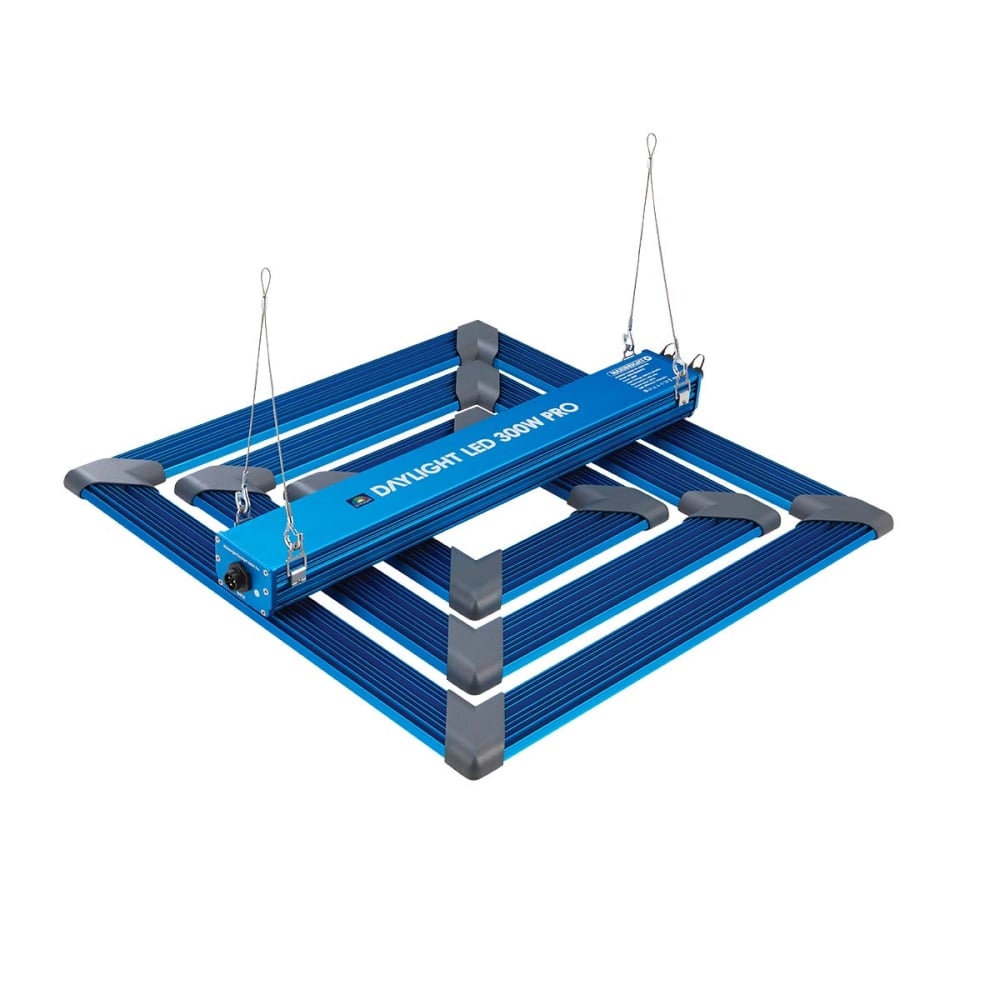
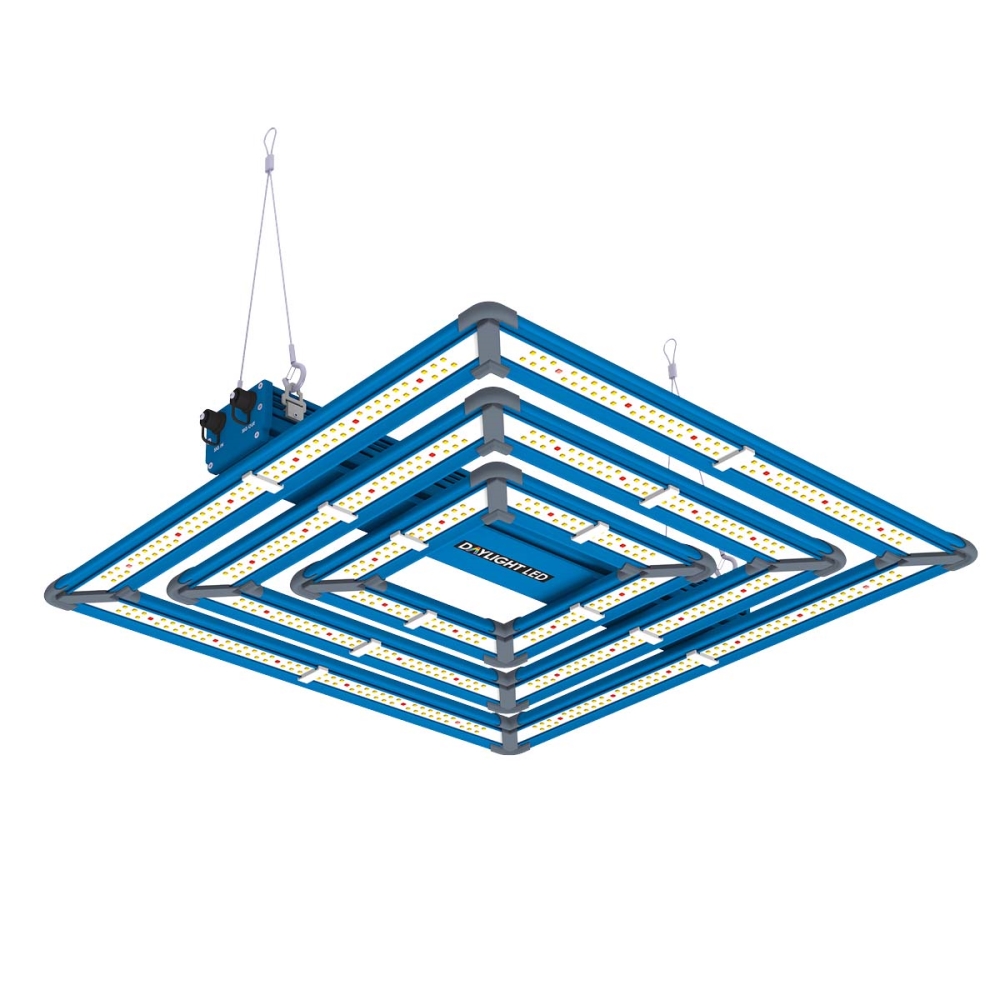
As one of the UK’s largest hydroponics retailers, we speak to growers every day who are upgrading to LED grow lighting for the first time. While modern LEDs offer incredible advantages for indoor cultivation, we also see many growers making simple mistakes that can reduce yields, stress plants, and limit the performance of even the best lighting systems.
Here at GHE Direct, we stock some of the industry’s leading LED brands including Maxibright, Lumatek, Telos, and more. One thing we’ve learned over the years is that correct setup matters just as much as the fixture itself.
Here are some of the most common LED grow light mistakes hydroponic growers should avoid.
1. Hanging LED Grow Lights Too Close to Plants
Please note: this is a general guide, some plants may tolerate more or less light intensity, always pay attention to your plants and fine tune the hanging height to suit.
One of the biggest misconceptions is that because they run cooler than HPS systems, they can be placed extremely close to the canopy.
While LEDs produce less radiant heat, modern fixtures are incredibly intense and can still cause:
- Light stress
- Bleaching
- Leaf curl
- Stunted growth
We regularly see growers mistake light stress for nutrient deficiencies or environmental problems.
Premium fixtures from brands like Maxibright deliver very high PPFD output, so maintaining the correct hanging height is essential.
As a general rule:
| Growth Stage | Recommended Distance |
|---|
| Seedlings | 24–36 inches |
| Vegetative Growth | 18–24 inches |
| Flowering | 12–18 inches |
Always check manufacturer guidance and monitor how plants respond.
2. Focusing Only on Wattage
One of the most common mistakes we see is growers choosing lights based purely on advertised wattage.
Wattage only tells you how much power the fixture consumes — not how much usable light reaches your plants.
Instead, growers should focus on:
- PPFD performance
- PAR output
- Canopy coverage
- Efficiency ratings (µmol/J)
A high-quality 300W fixture from Maxibright or Nanolux can often outperform cheaper “1000W equivalent” lights with poor diode efficiency and uneven coverage.
Quality always matters more than exaggerated marketing claims.
3. Buying Cheap, Low-Quality LEDs
With hundreds of LED grow lights now available online, it can be tempting to buy the cheapest option available. Unfortunately, low-cost fixtures often create more problems than they solve.
Manufacturers like Maxibright offer high quality LED fixtures at a great price that deliver the right spectrum for great plant growth and yields, some cheap LED’s simply add more cheap red diodes at the expense of having the correct balanced spectrum.
Also many cheap or direct to consumer brands have complicated or non existent warranties meaning that in case of a fault, you could be left with a non working light for a long time.
Cheap LEDs commonly suffer from:
- Poor spectrum quality
- Weak drivers
- Low efficiency
- Inaccurate wattage claims
- Uneven light distribution
- Short lifespans
At GHE Direct, we only stock trusted brands with proven performance data and reliable build quality.
Fixtures from Maxibright, DLI, Lumatek, Telos, and Nanolux are designed for long-term reliability and consistent results.
4. Ignoring Environmental Control
Many growers switch to LEDs expecting heat issues to disappear completely. While LEDs run cooler than traditional HPS systems, they still generate heat and still require proper environmental management.
Without adequate airflow, growers can still experience:
- Hotspots
- High humidity
- Poor transpiration
- Increased disease risk
Good environmental control remains essential for hydroponic success.
We always recommend combining quality LED lighting with:
- Proper extraction
- Oscillating fans
- Stable temperature control
- Humidity monitoring
Modern hydroponic systems work best when lighting and environment work together.
5. Using the Wrong Light Cycle
Lighting schedules are just as important as light intensity.
Different plants — and different growth stages — require different photoperiods for optimal development.
Typical hydroponic light schedules include:
| Growth Stage | Recommended Cycle |
|---|
| Seedlings | 18 hours |
| Cuttings | 24 hours until rooted (usually 7-10 days) |
| Vegetative Growth | 18/6 |
| Flowering | 12/12 |
Running lights continuously can stress plants and negatively affect growth. Using timers ensures consistency and removes unnecessary guesswork.
Many modern LED systems from brands like DLI and Maxibright Varidrive also include dimming controls, allowing growers to fine-tune light intensity during each growth stage.
6. Uneven Canopy Coverage
Another issue we regularly see is uneven canopy development caused by poor light distribution.
Plants sitting directly beneath hotspots often become stressed, while plants around the edges stretch and underperform.
Quality LED systems are designed to provide:
- Even PPFD spread
- Balanced edge coverage
- Better canopy penetration
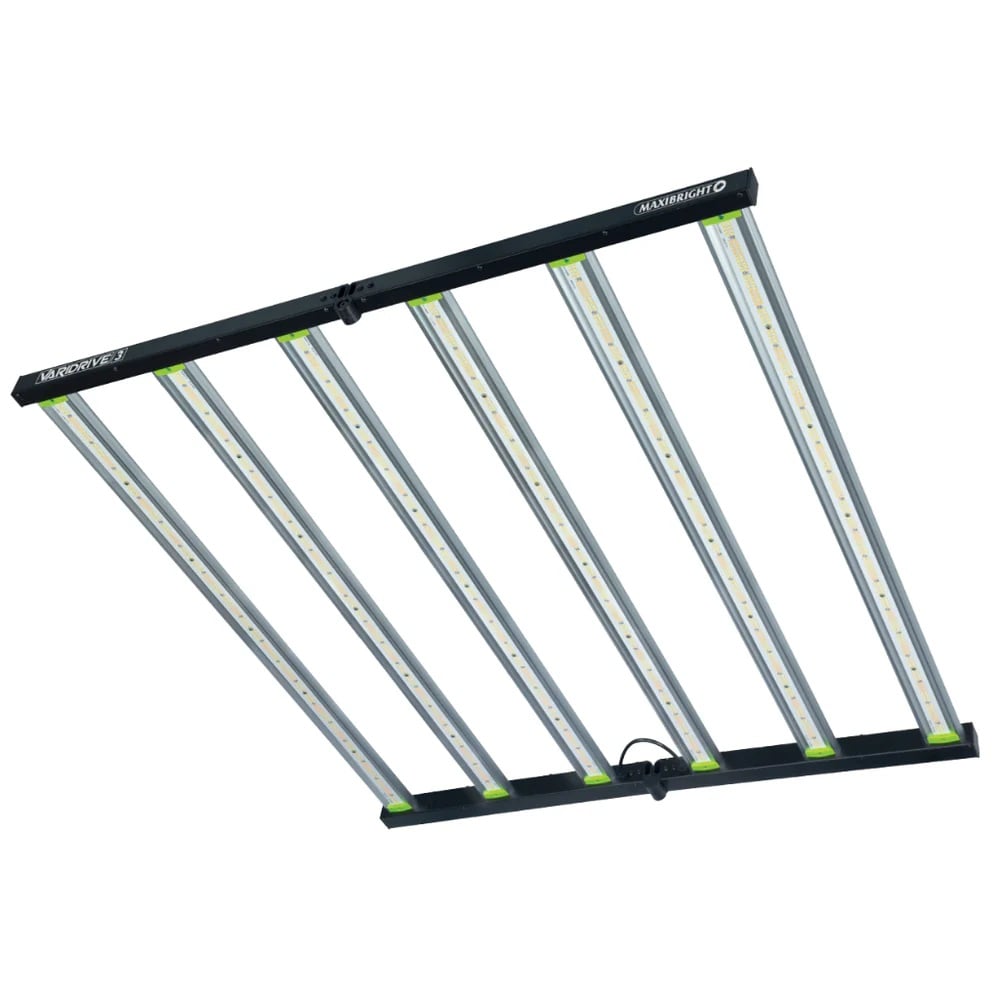
This is one reason why bar-style LED fixtures from brands like Maxibright have become so popular among serious growers.
Uniform coverage helps maximise every part of the grow space.
Final Thoughts
LED grow lights have completely transformed indoor hydroponic growing, but getting the best results still comes down to correct setup and quality equipment.
At GHE Direct, we help growers across the UK choose reliable LED systems from trusted brands.
Avoiding common mistakes like poor hanging height, incorrect light cycles, cheap fixtures, and weak environmental control can make a huge difference to plant health, efficiency, and final yields.
Whether you’re upgrading from HPS or starting your first hydroponic setup, investing in the right LED lighting — and using it correctly — is one of the best decisions a grower can make.
LED Lighting Recommendations: