Plant Nutrients: Getting the Basics Right
There are a lot of choices when it comes to plant nutrients. Base nutrients, additives, root products, flowering boosters and plenty more. If you’re new to feeding plants, it can get confusing quite quickly.
The good news is that it doesn’t need to be complicated.
Whatever you’re growing, plants need the right nutrients at the right time. Getting the basics right is much more important than trying to use every product available.
Start With Your Base Nutrient
Your base nutrient is the main part of your feeding programme and should give your plants the essential nutrients they need to grow.
You’ll often see nitrogen, phosphorus and potassium listed on nutrient bottles as NPK. Plants need all three in different ratios, along with other micronutrients in far smaller amounts.
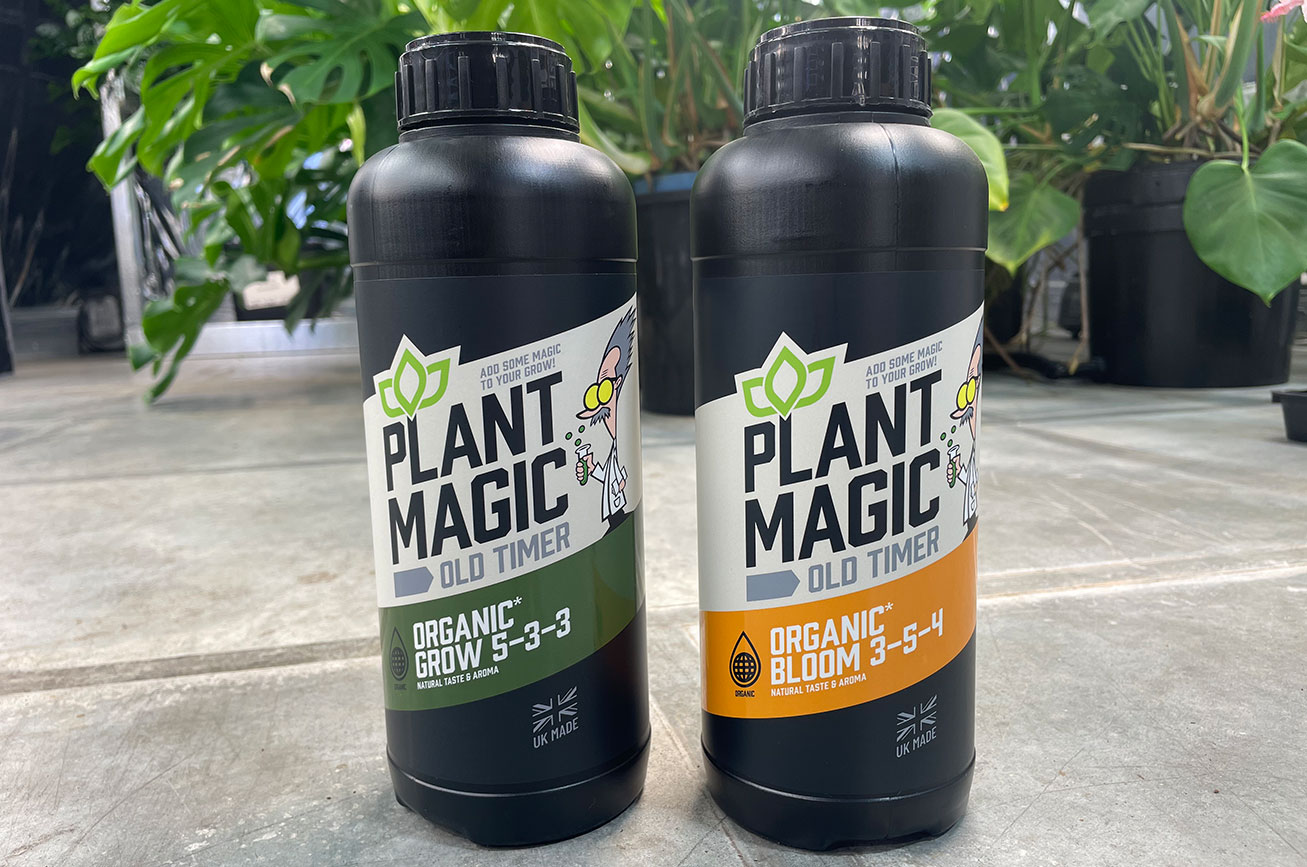
The nutrient demand and ratio will also change as they grow. A young plant putting out new leaves has different needs to a mature plant that is flowering or producing fruit. This is why you’ll often see different nutrients designed for different stages of growth such as Grow and Bloom base nutrients.
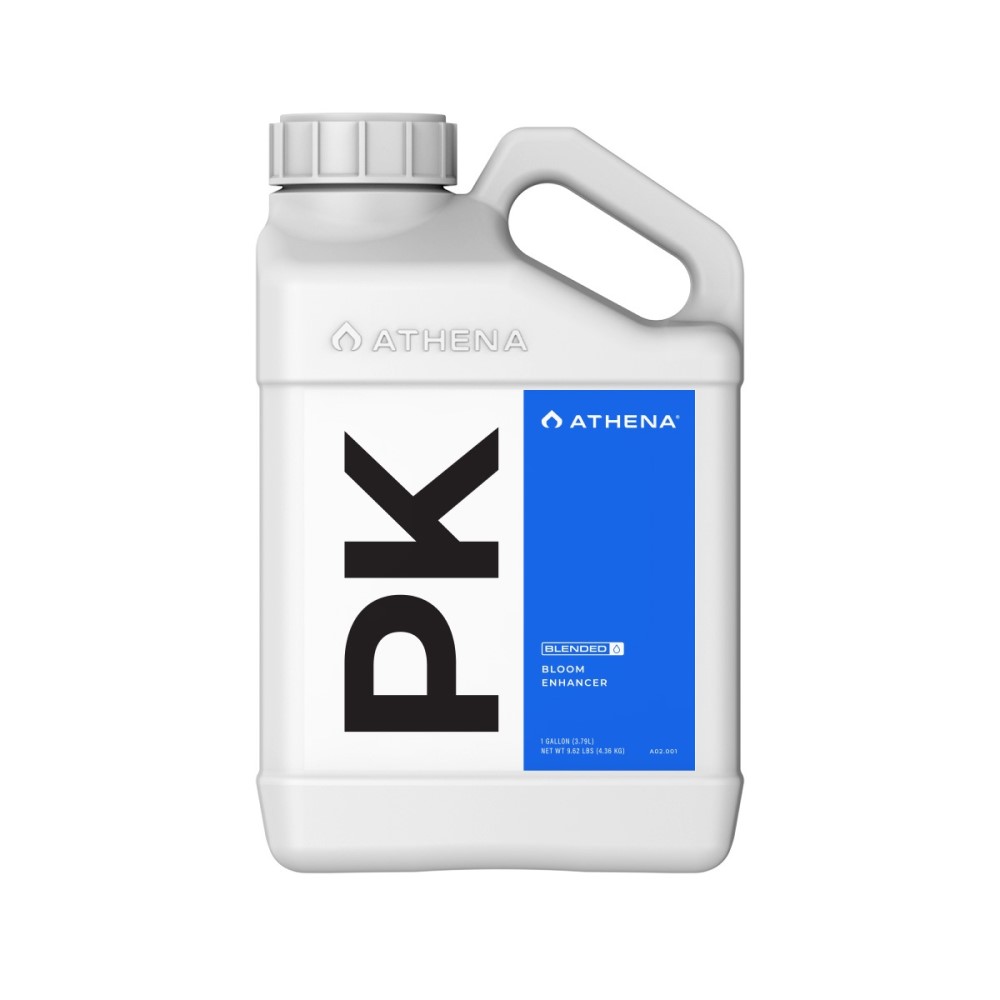
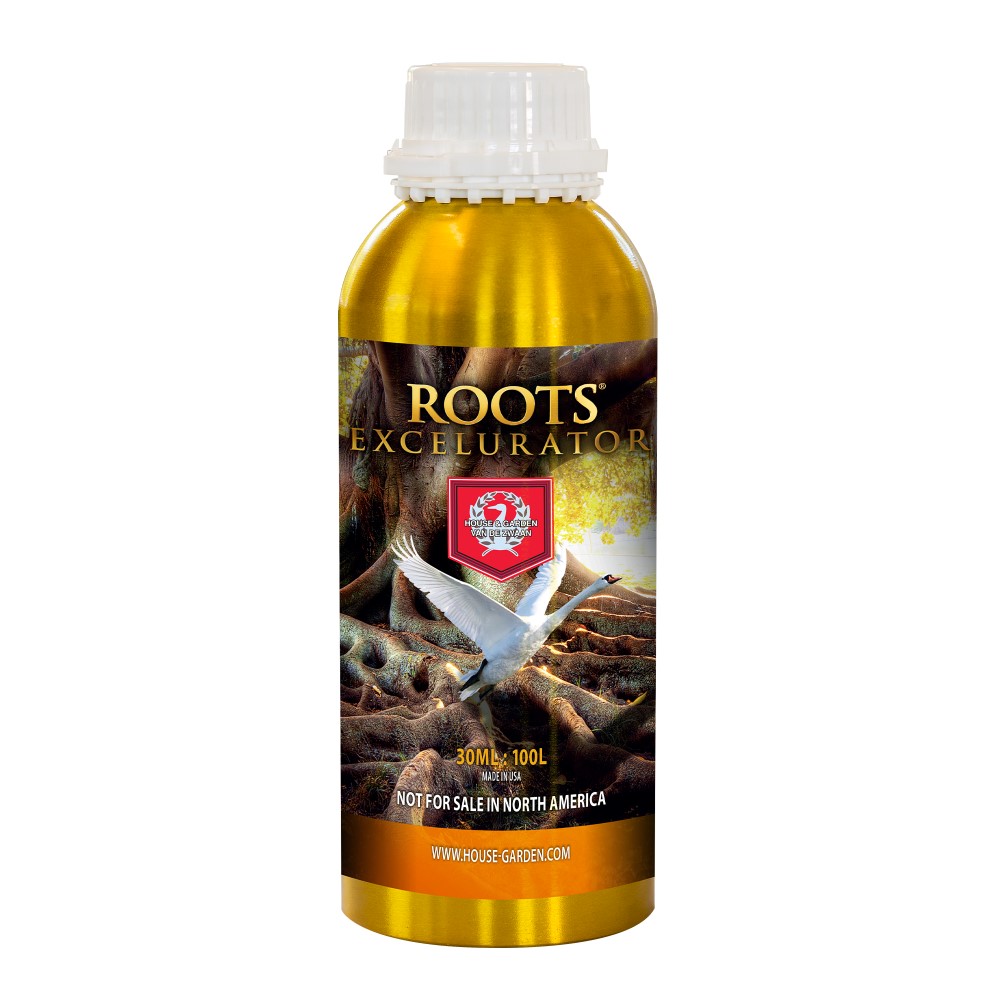
Brands such as Athena, House & Garden and Plant Magic all have their own nutrient ranges and feeding programmes tailored to deliver proven results for each growth stage.
The best place to start is with a base nutrient that suits how you’re growing and the stage your plants are at.
More Nutrients Doesn’t Mean More Growth
It can be tempting to think that giving your plants more nutrients will help them grow faster or give you better results, but it doesn’t really work like that.
Plants can only use what they need. Giving them too much can actually cause problems.
Start with the feeding recommendations from the manufacturer and keep an eye on how your plants respond. You can always make changes if you need to.
It’s also a good idea to change one thing at a time. If you increase your feed and add several new products at once, then something changes, you won’t know which product has caused it.
What About Additives?
This is where nutrient ranges can start to look a bit overwhelming.
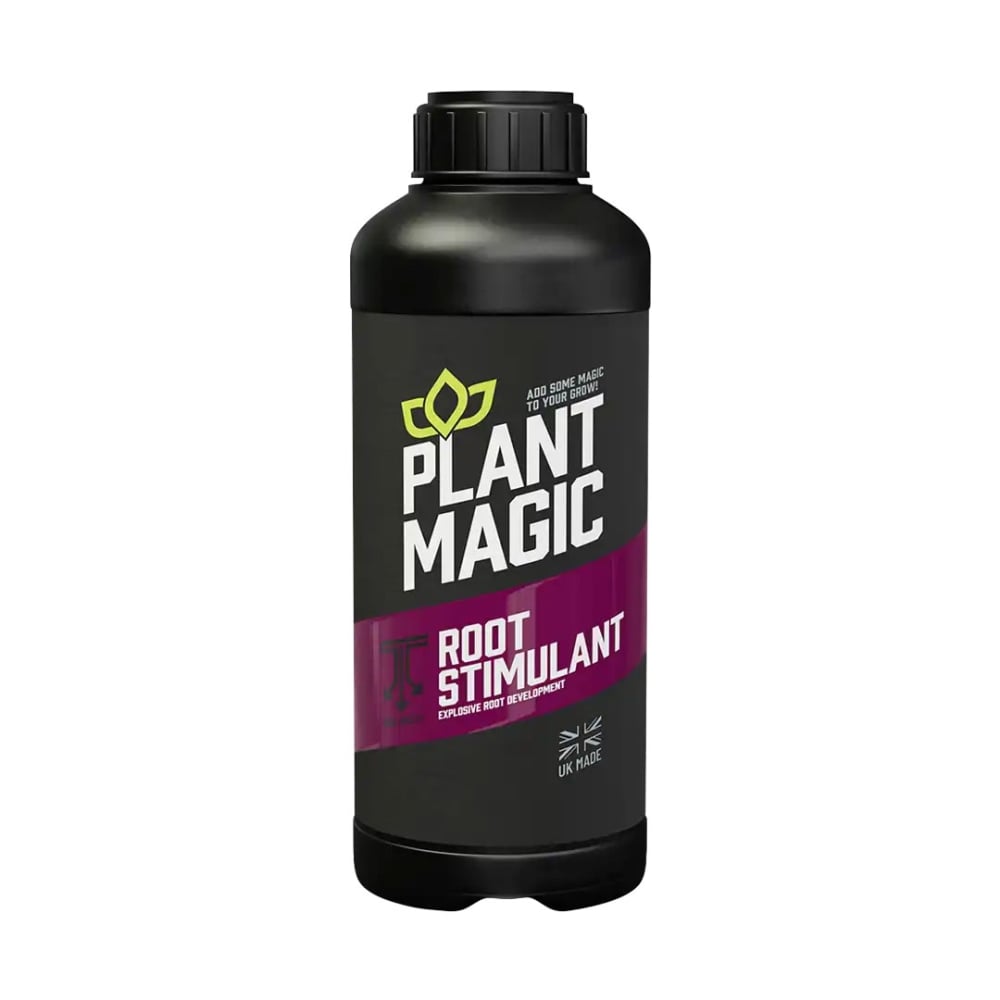
There are additives for roots, plant health, flowering and all sorts of other things. They can definitely have a place in a feeding programme, but you don’t need to use everything.
Your base nutrient should be doing most of the work. Additives are there for a more specific reason.
Think about what you want the product to do before you add it. For example, you might choose to use a root product while your plants are getting established, then introduce something different as they get further into their lifecycle.
You can keep things as simple or as detailed as you want.
Do You Need to Stick to One Brand?
Not necessarily, but it can make things easier.
Nutrient brands usually develop their products to work together as part of a feeding programme. If you use products from the same range, you can follow the manufacturer’s feeding chart and see where each product is meant to fit.
This is particularly useful if you’re still getting used to nutrients.
Athena, House & Garden and Plant Magic all offer base nutrients as well as additives, so you can start with the basics and add other products if you decide you need them.
Once you know what each product is doing, you can make your feeding programme as simple or as involved as you like.
Keep an Eye on pH and EC
It’s easy to concentrate on what you’re feeding your plants and forget about pH and EC.
The pH around the roots affects how easily a plant can take up different nutrients. This means you can have the right nutrients there, but the plant might still struggle to use them if the pH isn’t right. Think of nutrient uptake as a bandwidth for each element, ensuring the waters pH is within that bandwidth leads to the greatest uptake of those chosen elements.
The right range will depend on your growing method and what you’re growing, so check the recommendations for the nutrient range and growing medium you’re using.
EC, or electrical conductivity, is another useful thing to keep an eye on. It gives you an indication of the concentration of dissolved salts in your nutrient solution, which can help you understand how strong your feed is.
As you add nutrients, the EC will usually increase. Checking run-off for instance gives you another way to make sure you’re not feeding too heavily or too lightly, rather than relying on the amount of nutrient you’ve added alone.
Your water can make a difference too. Tap water varies depending on where you live, particularly when it comes to hardness and mineral content, so it’s worth checking your starting EC before you add any nutrients as feed charts can’t assume your baseline EC.
If your plants don’t look quite right, don’t automatically assume they need more nutrients. Check your pH, EC and the basics first.
Pay Attention to Your Plants
Feeding charts are really useful, especially when you’re starting out, but they are still a guide.
Keep an eye on your plants and how they respond. Look at the colour of the leaves, how quickly they’re growing and whether anything has changed since you adjusted the feed.
It can also help to keep a note of what you’re using and how much. If something changes later, you’ve got something to look back at rather than trying to remember exactly what you did.
Here at GHEDirect we stock nutrients and additives from brands such as Athena, House & Garden, Plant Magic and many more, with plenty of options depending on what you’re growing and how you want to feed it.
If you’re not sure where to start, keep it simple. Choose a suitable base nutrient, follow the feeding guidance and get used to how your plants respond.
You can always add more to your feeding programme later.