Top 5 Valentine’s Rose Care Tips
Five Tips to Keep Your Roses Blooming Beautifully
Valentine’s Day always puts roses in the spotlight — but whether they’re in your garden beds, patio containers, or climbing around an archway, roses need a little seasonal attention in late winter to reward you with stunning blooms later in the year.
Here are five simple but highly effective ways to keep your roses healthy, strong, and full of flowers.
1. Prune Now for Stronger Spring Growth
February is actually one of the best times to prune most garden roses in the UK. Don’t be afraid — pruning encourages growth rather than harming the plant.
Remove dead, damaged, or crossing stems
Cut back to an outward-facing bud
Aim for an open “goblet” shape to improve airflow
Good pruning helps prevent disease and allows sunlight to reach the centre of the plant, giving you larger and more abundant blooms in summer.
2. Feed Before They Wake Up
Roses are hungry plants. As soil temperatures begin to rise towards late winter and early spring, they prepare to produce new shoots and buds — and they need nutrients ready in the soil.
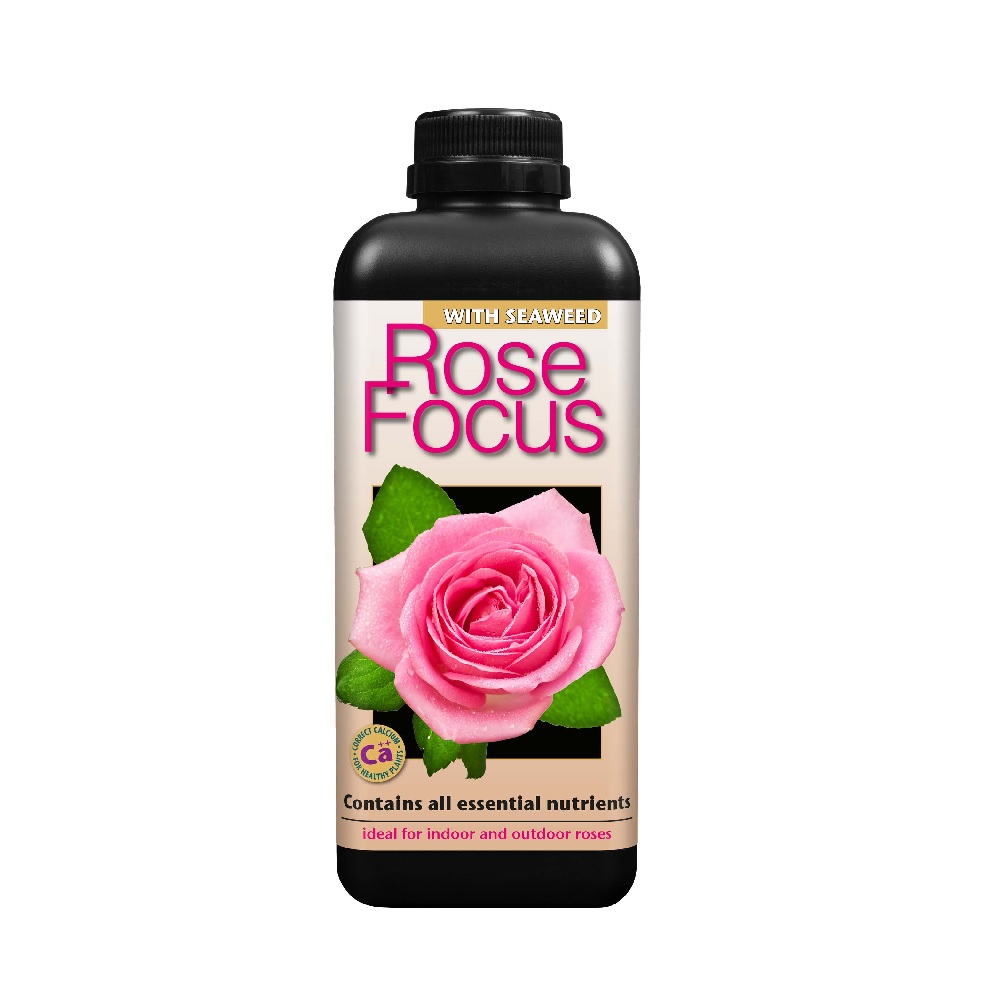
This is the perfect time to start feeding. We recommend Rose Focus by Growth Technology, a specialist fertiliser formulated specifically for roses. It provides the balanced nutrients roses require for:
strong root development
healthy foliage
richer flower colour
more repeat blooms throughout the season
Applying early means the plant has everything it needs right when growth begins.
3. Mulch to Lock In Moisture
After feeding, apply a 5–8 cm layer of mulch around the base of the plant (but not touching the stem). Good options include composted bark, well-rotted manure, or garden compost.
Mulching:
protects roots from late frosts
suppresses weeds
improves soil structure
keeps nutrients available longer
Think of it as a protective blanket for your rose.
4. Check for Early Pests and Disease
Late winter is the best time to stop problems before they start.
Inspect stems for:
black spot marks from last year
scale insects
aphid eggs
Remove affected material and dispose of it (don’t compost it). A clean start now dramatically reduces issues in summer when roses are in full bloom.
5. Give Them Sun and Space
Roses thrive in sunlight — ideally 6+ hours of direct sun per day. If plants are shaded by nearby shrubs or structures, consider lightly thinning surrounding growth.
Good airflow is just as important as sunlight. Crowded roses are far more likely to suffer from mildew and black spot.
Final Thought
With just a little attention in February, your roses will reward you with months of colour, fragrance, and pollinator activity. A careful prune, proper feeding with Rose Focus, and a protective mulch now will make all the difference when summer arrives.
Valentine’s Day may celebrate cut roses — but a well-cared-for garden rose bush is a gift that keeps flowering year after year.
Product Recomendation
Growth Technology Rose Focus was designed for roses grown in pots and containers, formulated for long term plant health.
Rose Focus
Chikamasa Pruning Shears PST-8
Twist Tie Garden Wire 50 Metres