Choosing the Right Propagator: Aeroponic or Heated Base?
Successful propagation is all about control — temperature, humidity and oxygen all play a critical role in how quickly and reliably seeds germinate and cuttings root. Two of the most popular types of propagators available today are aeroponic propagators and heated base propagators.
In this article, we’ll explore how each type of propagator works, their individual strengths, and which approach delivers the best results depending on your growing goals. As examples, we’ll reference the X-Stream Aeroponic Propagator and the Vitopod Heated Propagator, both proven options trusted by growers.
Understanding Aeroponic Propagation
Aeroponic propagators work by suspending cuttings in the air while regularly misting the stem with a fine, oxygen-rich nutrient solution. Rather than rooting into a solid medium, roots form directly in open air.
The X-Stream Aeroponic Propagator is a well-known example of this system and is widely used for cloning and cutting production.
Key Benefits of Aeroponic Propagators
Faster root formation
High oxygen availability encourages rapid cell division, often producing visible roots sooner than traditional methods.Strong, healthy root systems
Roots tend to develop thick, white and fibrous, making them easier to transplant with minimal stress.High success rates for cuttings
Consistent moisture delivery helps prevent both drying out and over-saturation.No growing medium required
This reduces pest risks, eliminates medium costs, and simplifies cleanup.Scalable production
Aeroponic units like the X-Stream are available in multiple sizes, making them suitable for both hobby growers and larger operations.
Things to Consider
Aeroponic propagators rely on pumps and misters, so they require clean water, electricity, and occasional maintenance. They are also primarily focused on quickly rooting cuttings, they can be used with seedlings however they must already be germinated seedlings with already formed leaves for effective use.
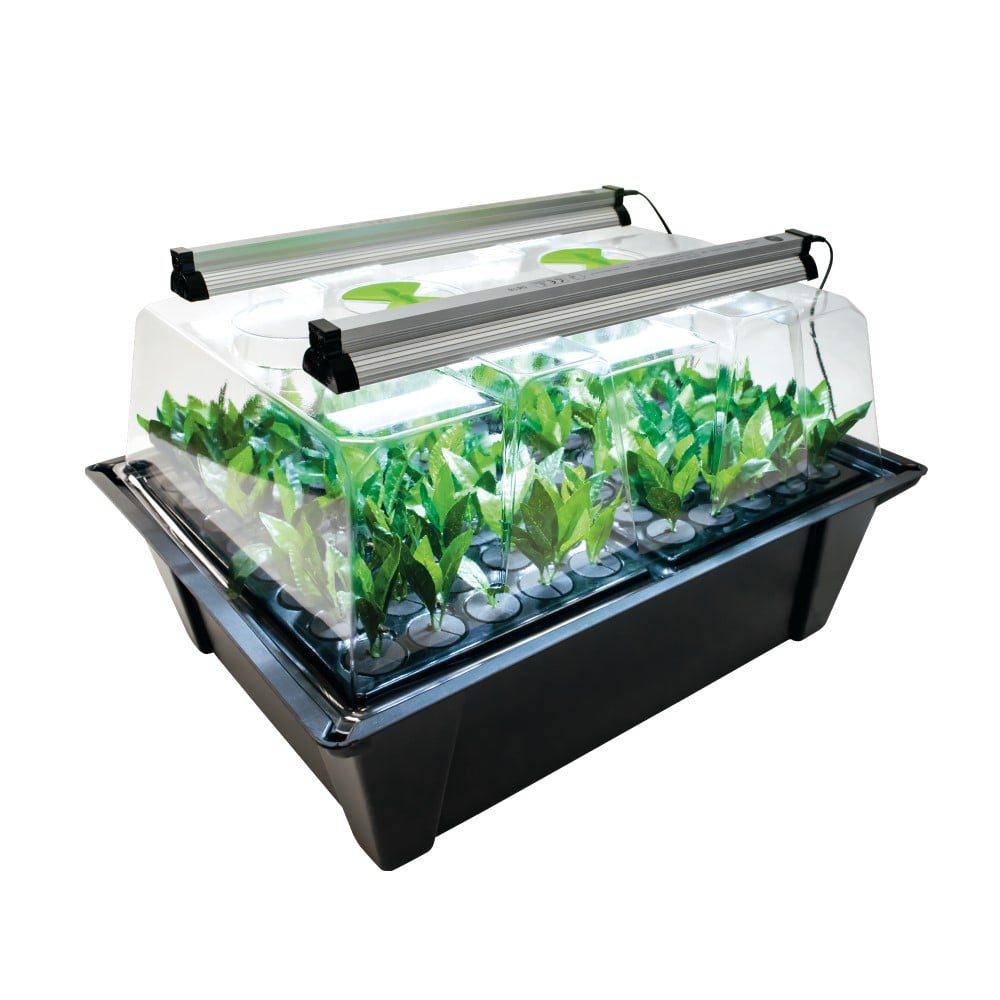
X-Stream Aero Propagator with Sunblaster LED’s
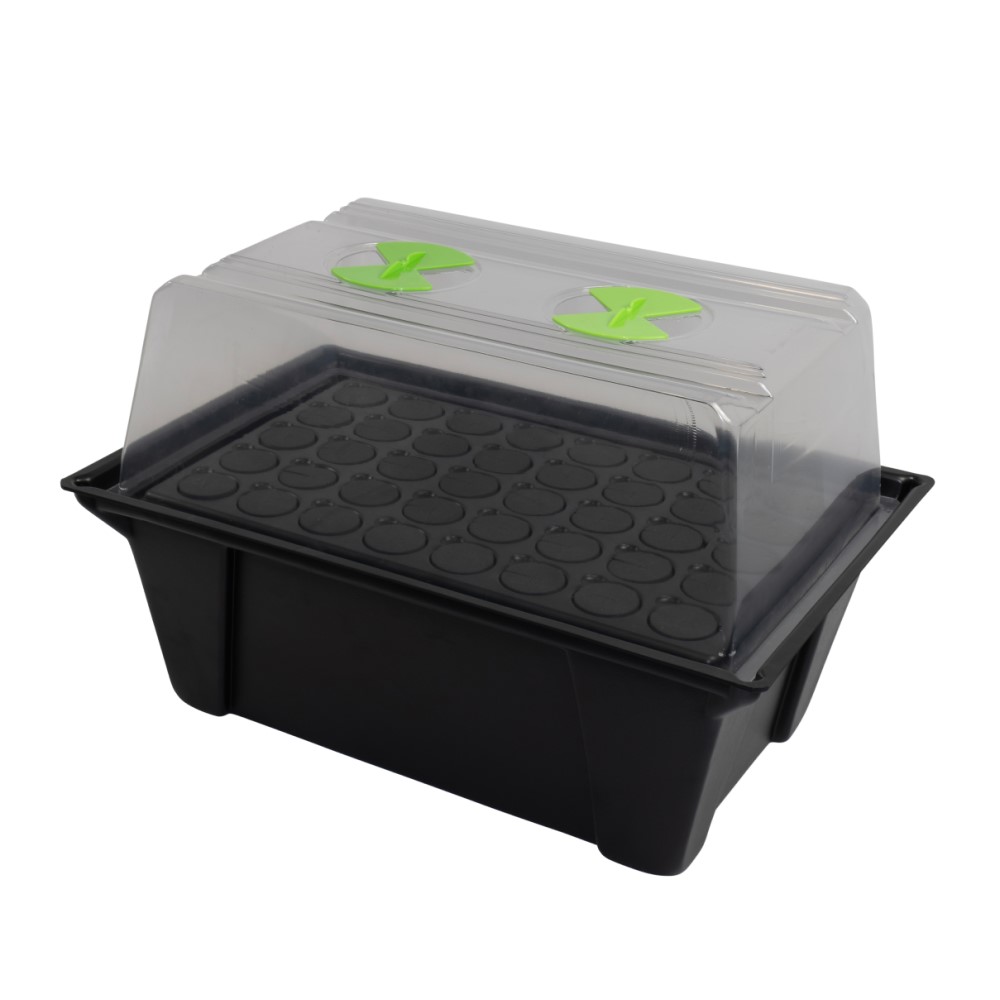
X-Stream Aero Propagator
Understanding Heated Base Propagation
Heated base propagators provide warmth from below, maintaining an ideal root-zone temperature while seedlings or cuttings grow in trays, cubes or pots. This approach mimics the natural warming of soil in spring.
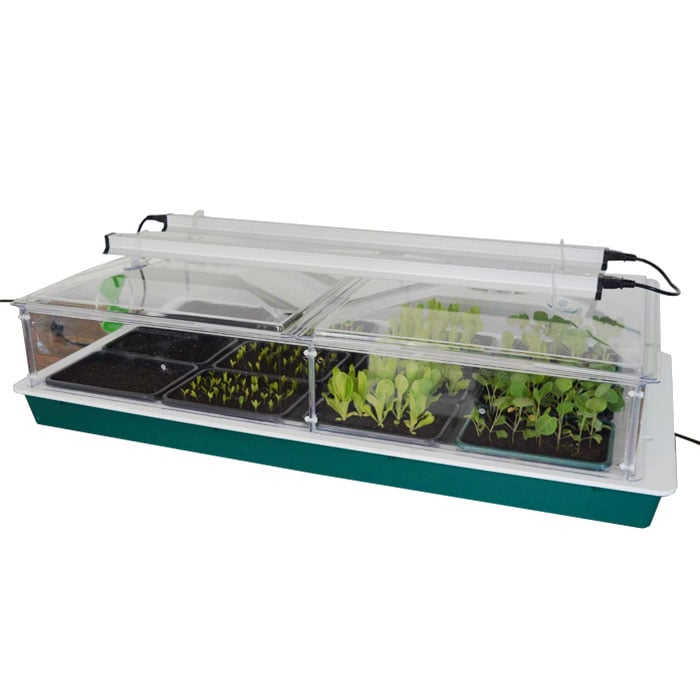
The Vitopod Heated Propagator is a premium example, offering thermostatic control and a robust, insulated design.
Key Benefits of Heated Propagators
Accurate temperature control
Adjustable thermostats allow precise regulation, typically within 1 °C of the target temperature.Reliable seed germination
Consistent warmth significantly improves germination rates and uniformity.Versatility
Suitable for seeds, cuttings, and early vegetative growth.Humidity management
Adjustable vents help fine-tune airflow and reduce issues such as damping-off.Durable, long-term solution
Heated propagators are often used year after year and can support plants beyond the initial propagation phase.
Things to Consider
Rooting times for cuttings are generally slower than with aeroponic systems, and they do tend to require more space.
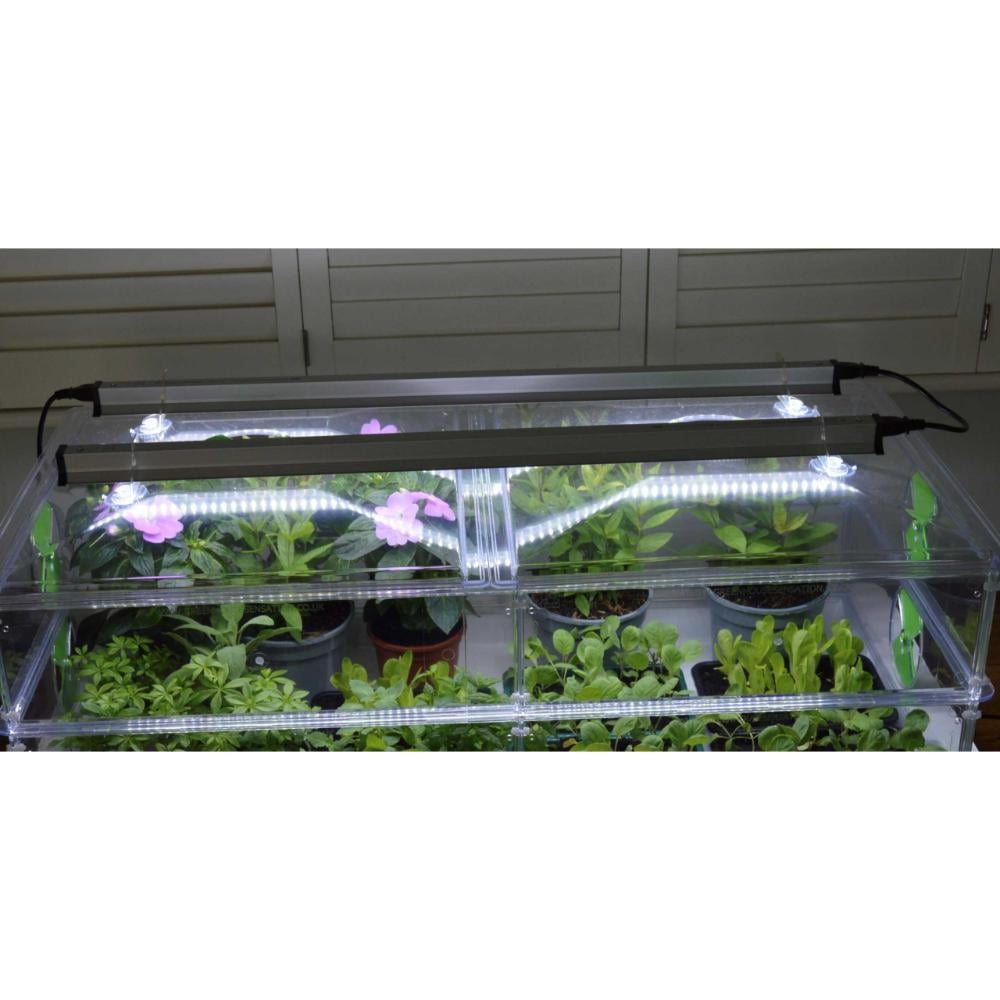
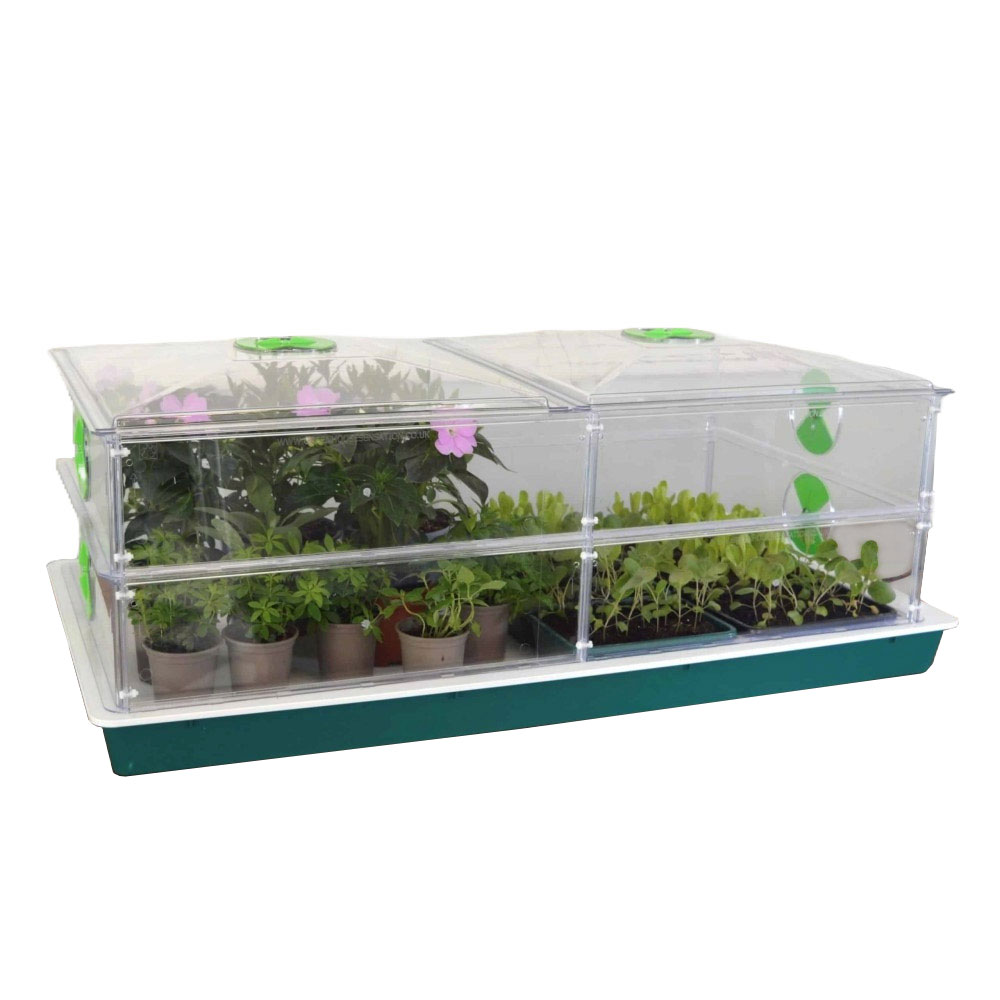
Vitopod Heated Propagators with LED Lights
X-Stream Heated Propagator with Sunblaster LED’s
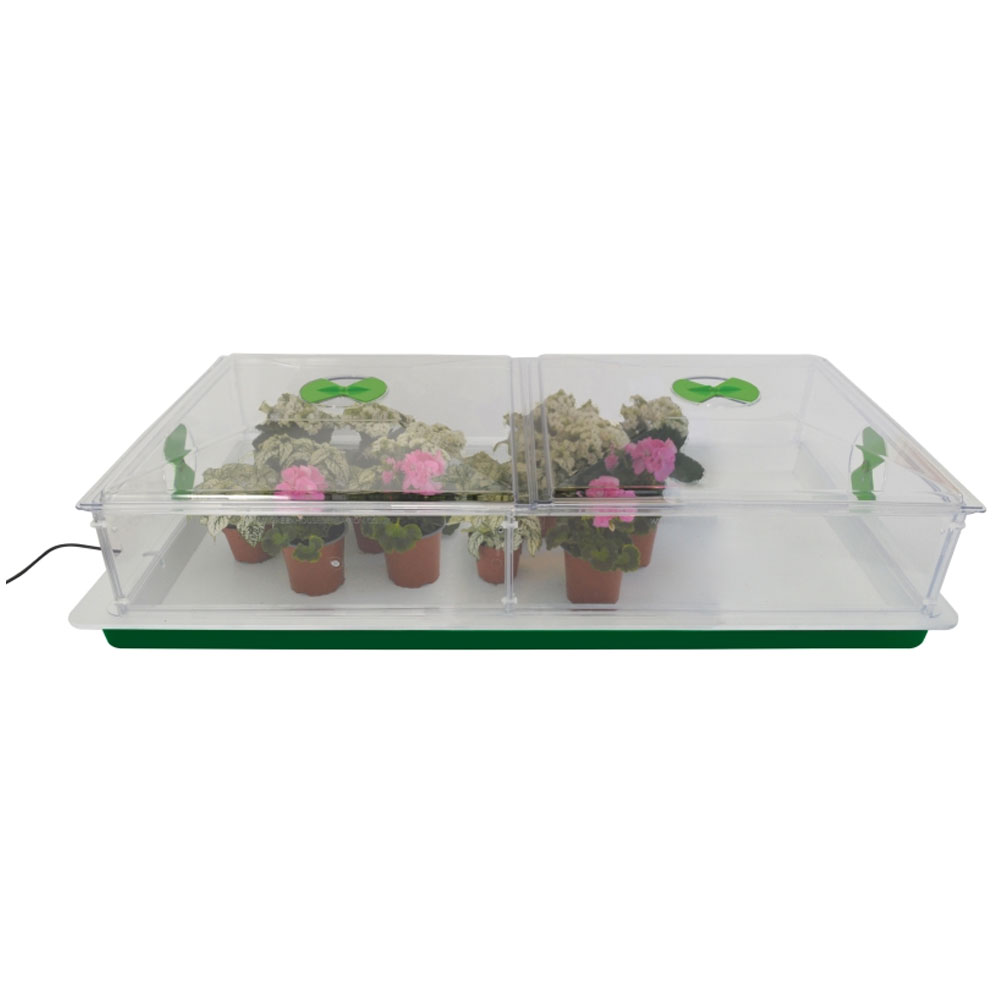
Vitopod Large Heated Propagators
The Role of Heat in Propagation
Whether aeroponic or traditional, temperature is one of the most important factors in successful propagation.
Unheated propagators rely on ambient room temperature. They can work well in warm environments but often struggle in cooler conditions, leading to slower rooting and uneven germination.
Heated propagators maintain optimal root-zone temperatures regardless of room conditions, making them especially valuable during colder months or in unheated grow spaces.
Many growers combine approaches by using aeroponic propagators in temperature-controlled rooms or by adding external heat where necessary.
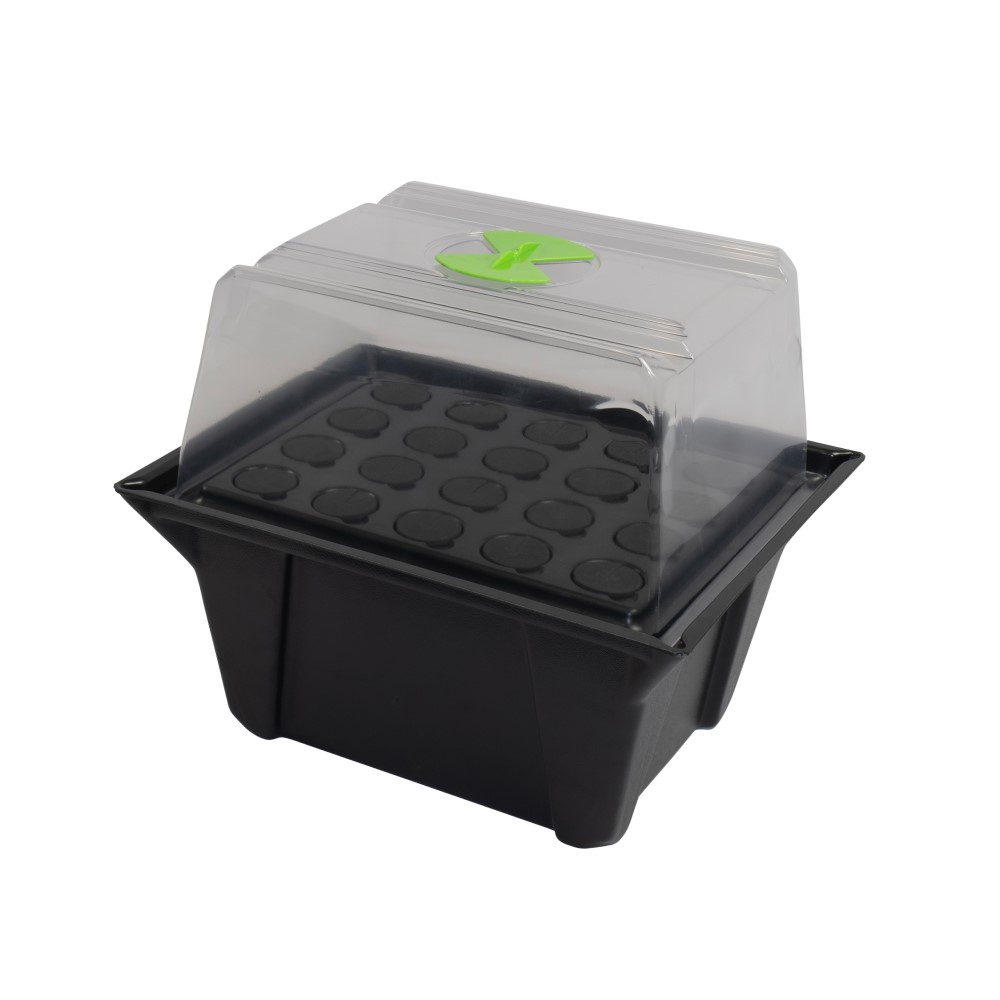
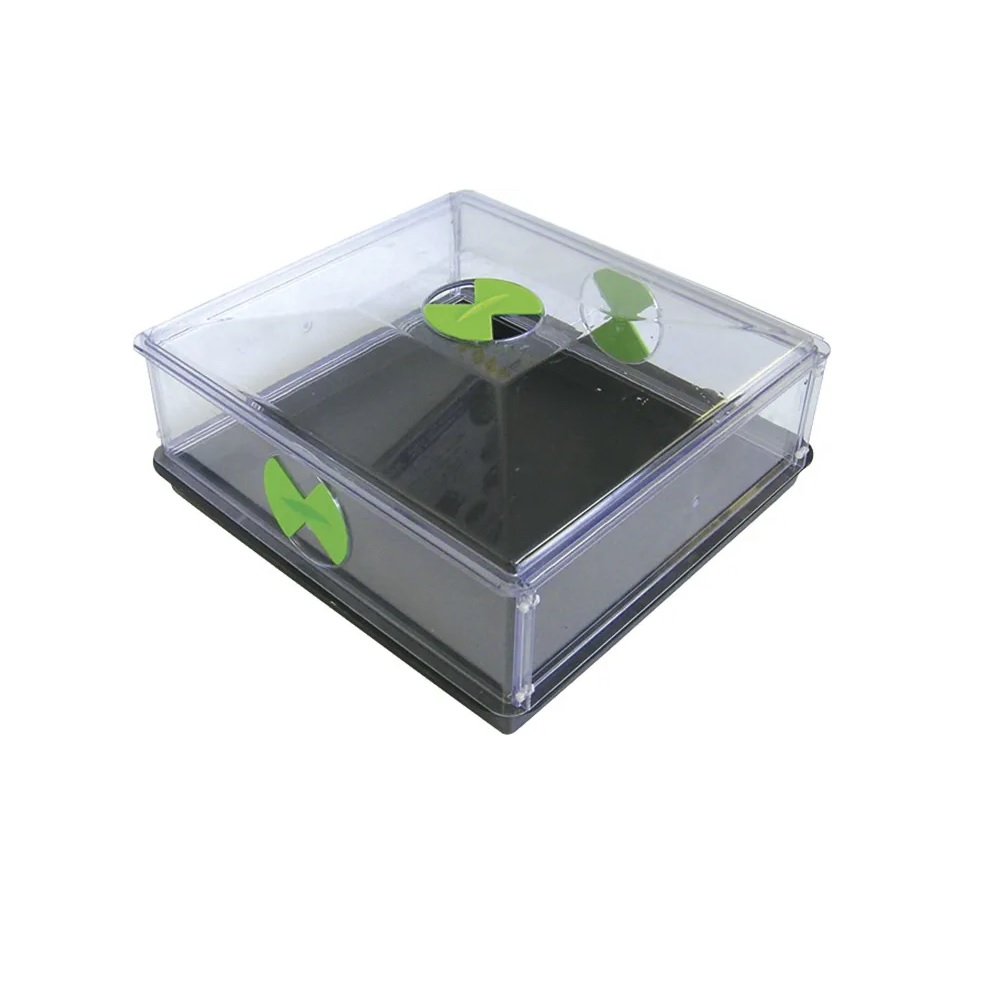
Vitopod Small Unheated Propagators
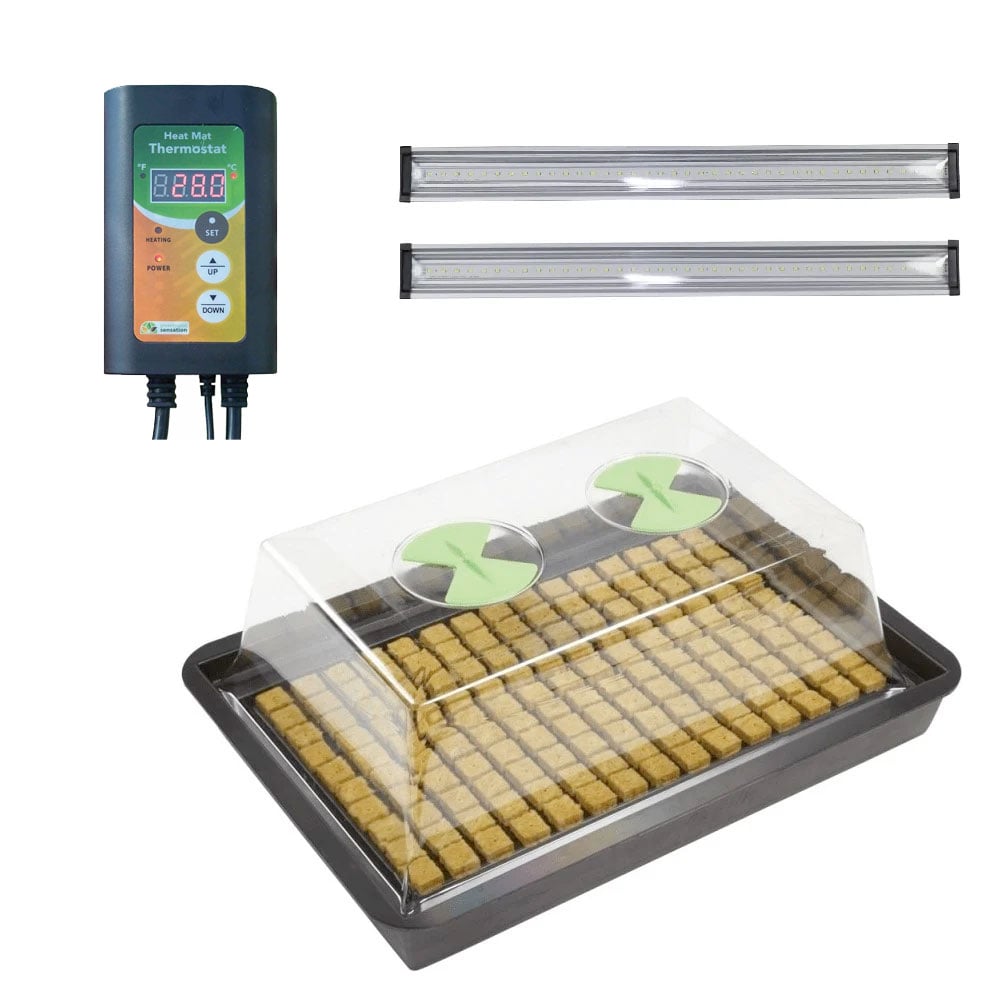
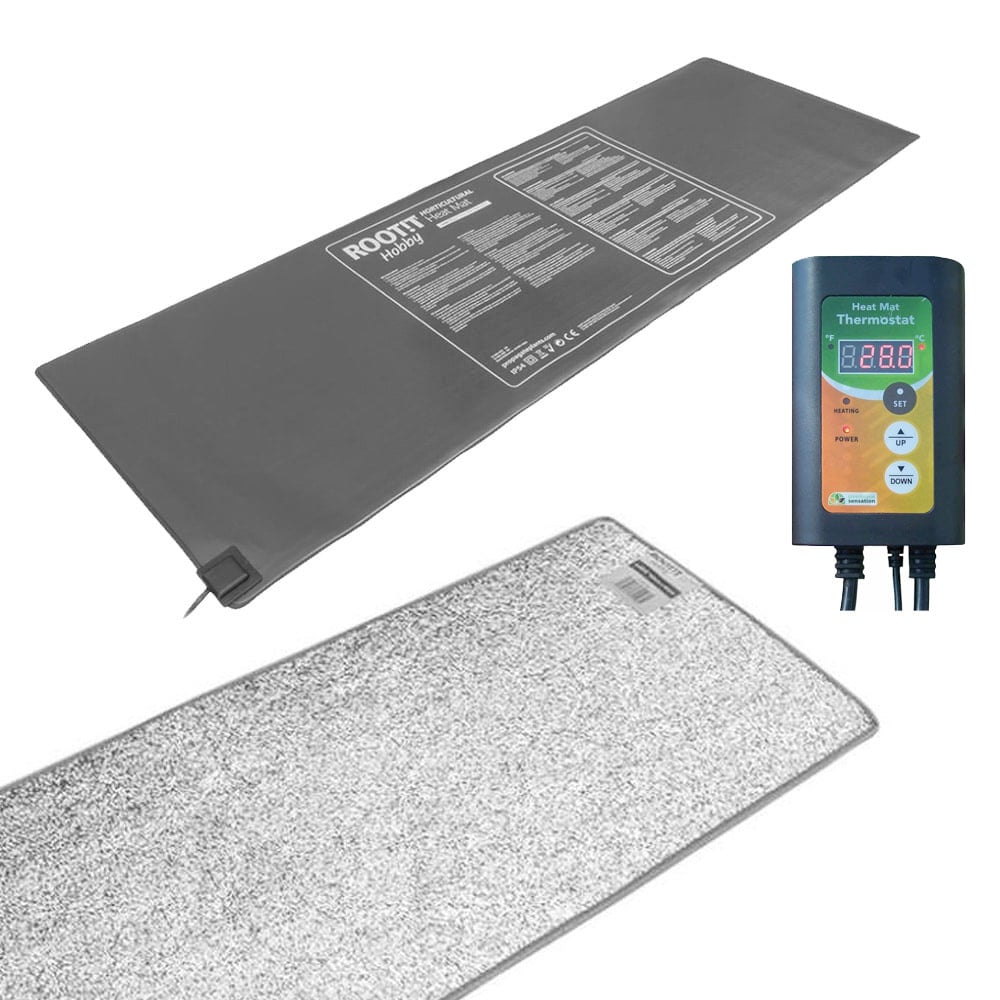
Root!t Heat Mat Bundle
Choosing the Best Approach for Your Grow
Rather than one system being universally “better”, the right choice depends on how and what you grow.
When Aeroponic Propagators Shine
High-volume cutting production
Fast turnaround times
Maximum root health and oxygenation
Dedicated cloning setups
When Heated Propagators Excel
Seed germination
Mixed propagation (seeds and cuttings)
Cooler grow environments
Long-term propagation and early growth stages
Final Thoughts
Aeroponic propagators like the X-Stream offer exceptional speed and efficiency for cloning, producing strong roots in minimal time. Heated base propagators such as the Vitopod provide unmatched temperature stability and versatility, making them ideal for growers who want reliable, year-round results across multiple propagation stages.
In simple terms:
For cutting speed and volume, aeroponic systems lead the way.
For consistency, versatility and temperature control, heated propagators remain the gold standard.
Choosing the right propagator isn’t about which is better — it’s about which best supports your growing environment and objectives.