Why Grow Rooms Build Up Humidity
Plants constantly release moisture into the air through transpiration. Soil and hydroponic systems add even more. Grow lights raise temperatures, which increases how much moisture the air can hold. When lights turn off and the temperature drops, relative humidity rises sharply. In enclosed grow tents or sealed grow rooms, this moisture has nowhere to escape unless extraction and airflow are working correctly.
Airflow: Your First Line of Defence
Good airflow stops the stagnant pockets of air where mould begins. Extraction removes humid air from the room, while internal circulation fans prevent moisture pockets between leaves, stems, and flowers.
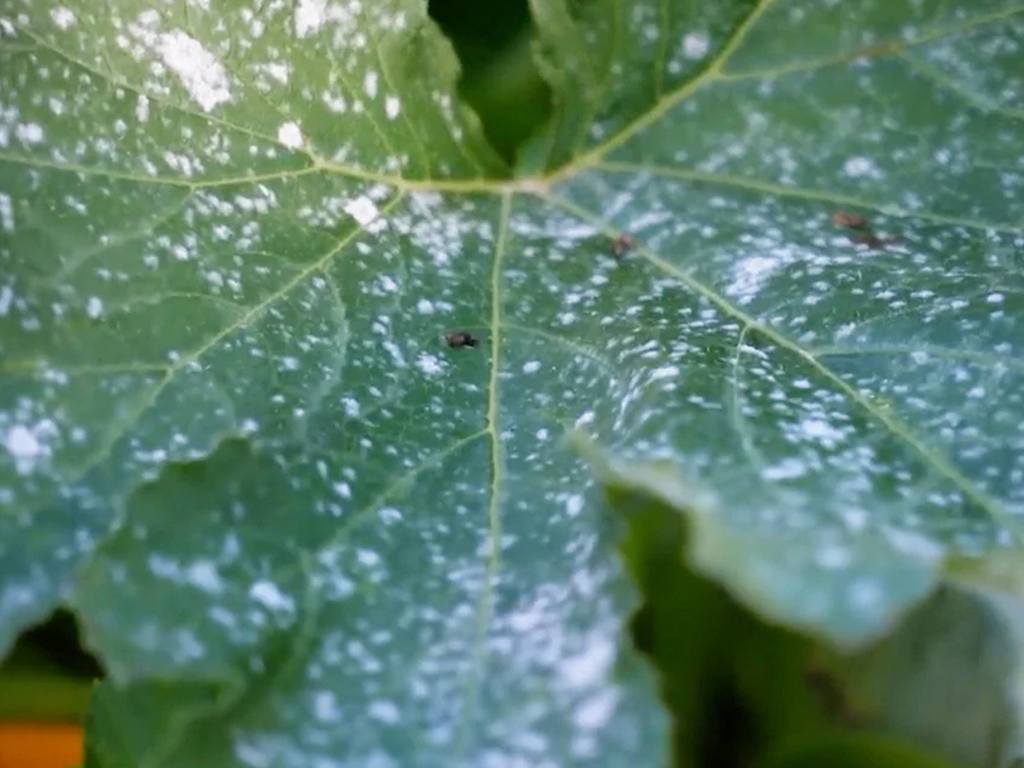
If air isn’t moving around and through the canopy, mould will find the still zones and begin to grow — especially Powdery Mildew and Bud Rot.
LED Lighting & Night-Time Humidity Challenges
With the advent of using LED lights in your grow room, growers have gained cooler-running equipment, better efficiency, and greater control — but LEDs introduce a new environmental challenge. Because LEDs generate far less heat than older HID systems, they no longer help dry the air or keep the room warm.
As colder weather arrives, growers often reduce extraction at night to avoid losing valuable heat. While this prevents heat loss, it also traps warm, moisture-laden air in the grow space. Without proper extraction, humidity rises quickly — exactly what mould needs to flourish.
Another critical factor is dew point. If your night-time temperature drops more than roughly 10°C below your daytime temperature, the air reaches a point where it can no longer hold moisture. That moisture then condenses onto leaves, flowers, walls, and surfaces. These water droplets create the perfect environment for mould to take hold, especially inside dense flowers where botrytis forms.
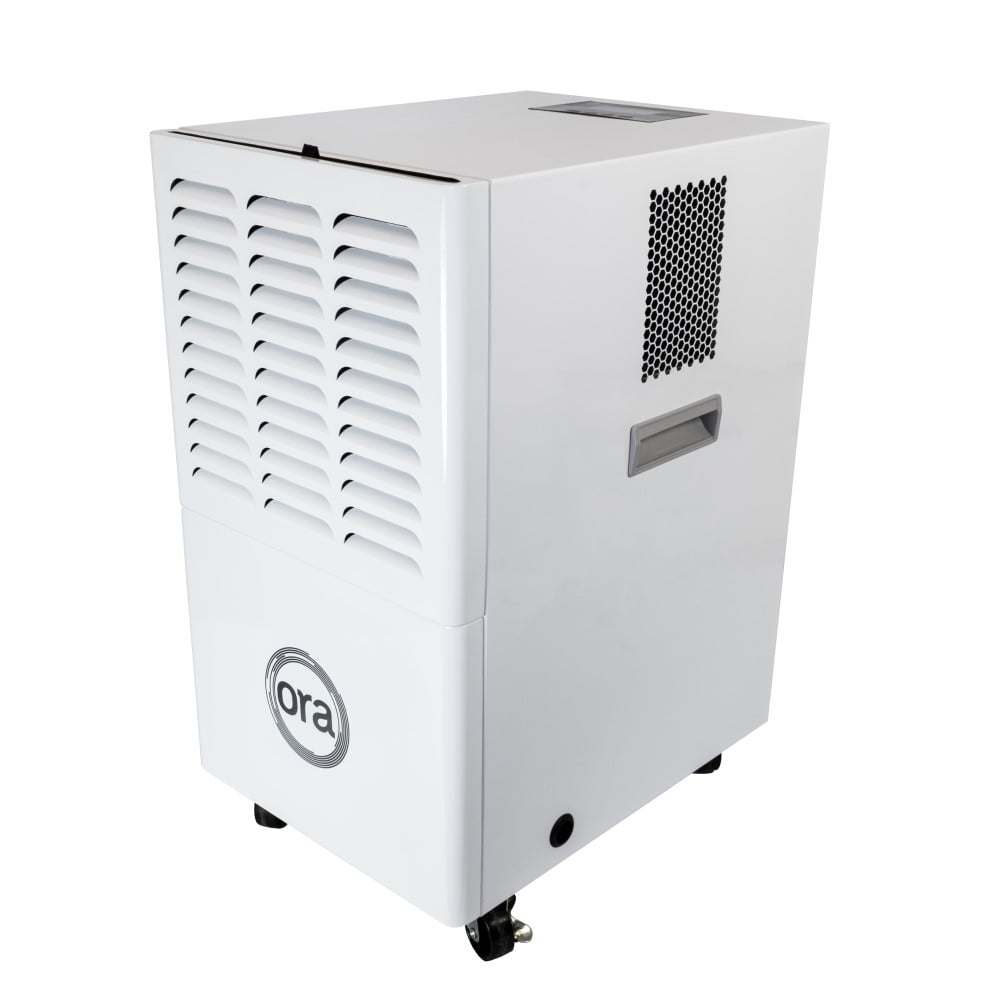
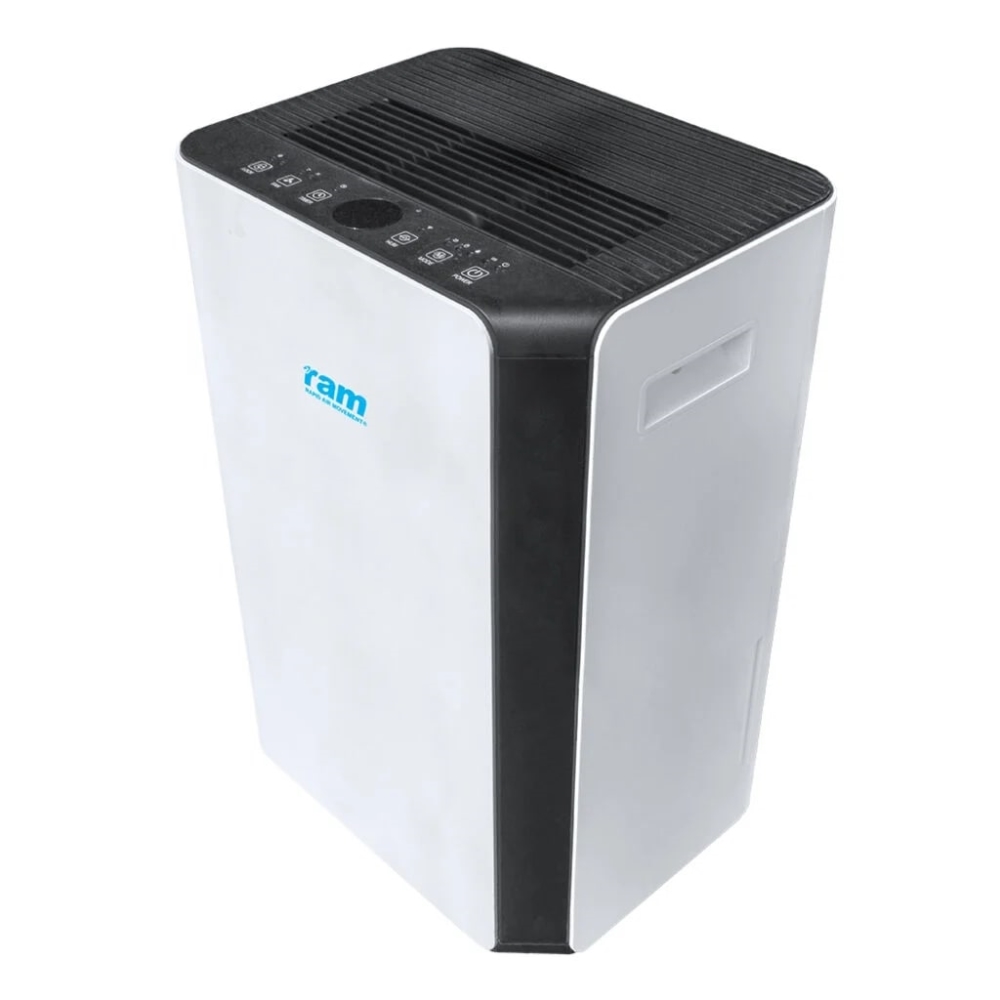
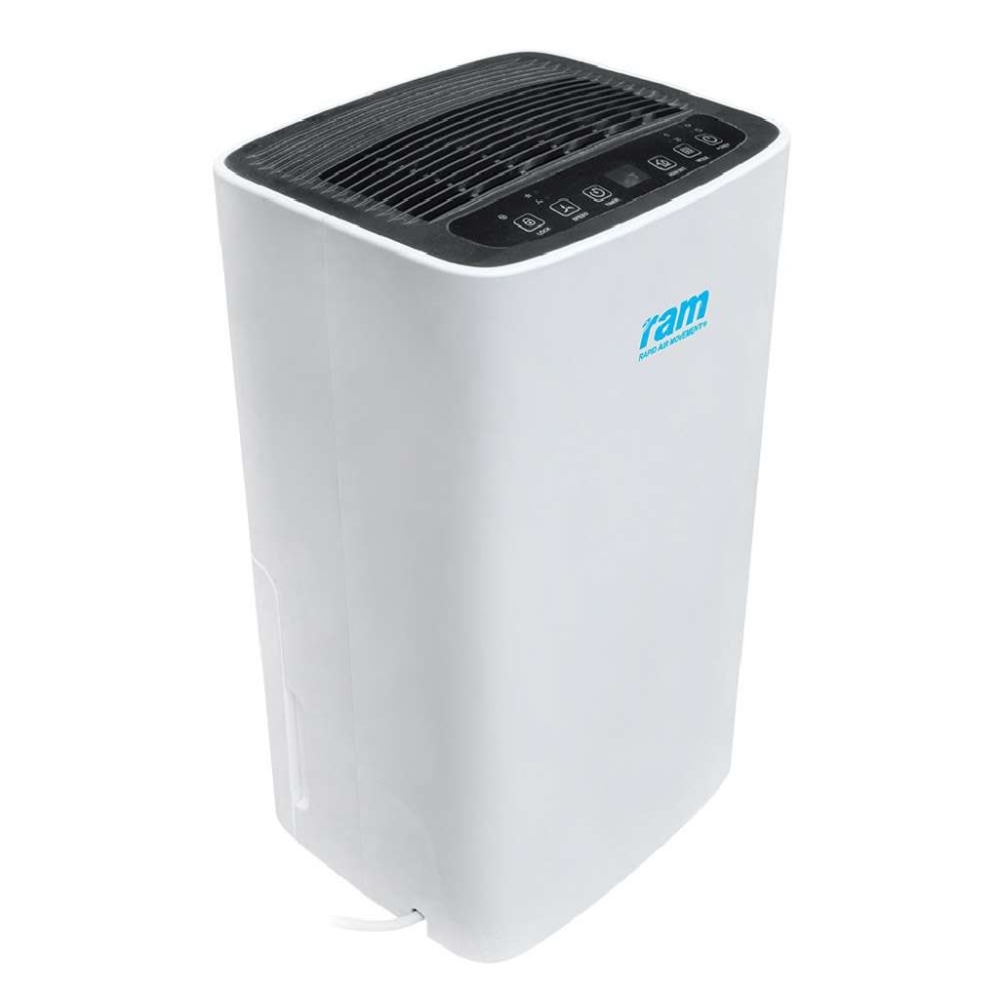
Without extraction or a dehumidifier running during lights-off, humidity rises, condensation forms, and mould begins to develop. Maintaining airflow and humidity control at night — even if supplemental heat is needed — is essential for LED growers.
Watch for Condensation and Hidden Moisture
Condensation is one of the biggest hidden contributors to mould. When warm, humid air touches a cold surface — tent walls, ducting, the room’s exterior walls — moisture forms instantly.
Cleaning up spills, preventing standing water, and insulating cold surfaces help eliminate moisture that mould feeds on.
Cleanliness and Plant Health Matter
Dead leaves, soil spills, and plant debris all hold moisture and create ideal mould zones. Keeping your grow room tidy reduces both humidity and fungal risk.
Healthy, well-spaced plants with good airflow are naturally more resistant. Pruning lower foliage and opening dense canopies helps reduce trapped moisture deep inside the plant structure.
The Effect of UV Light on Mould Development
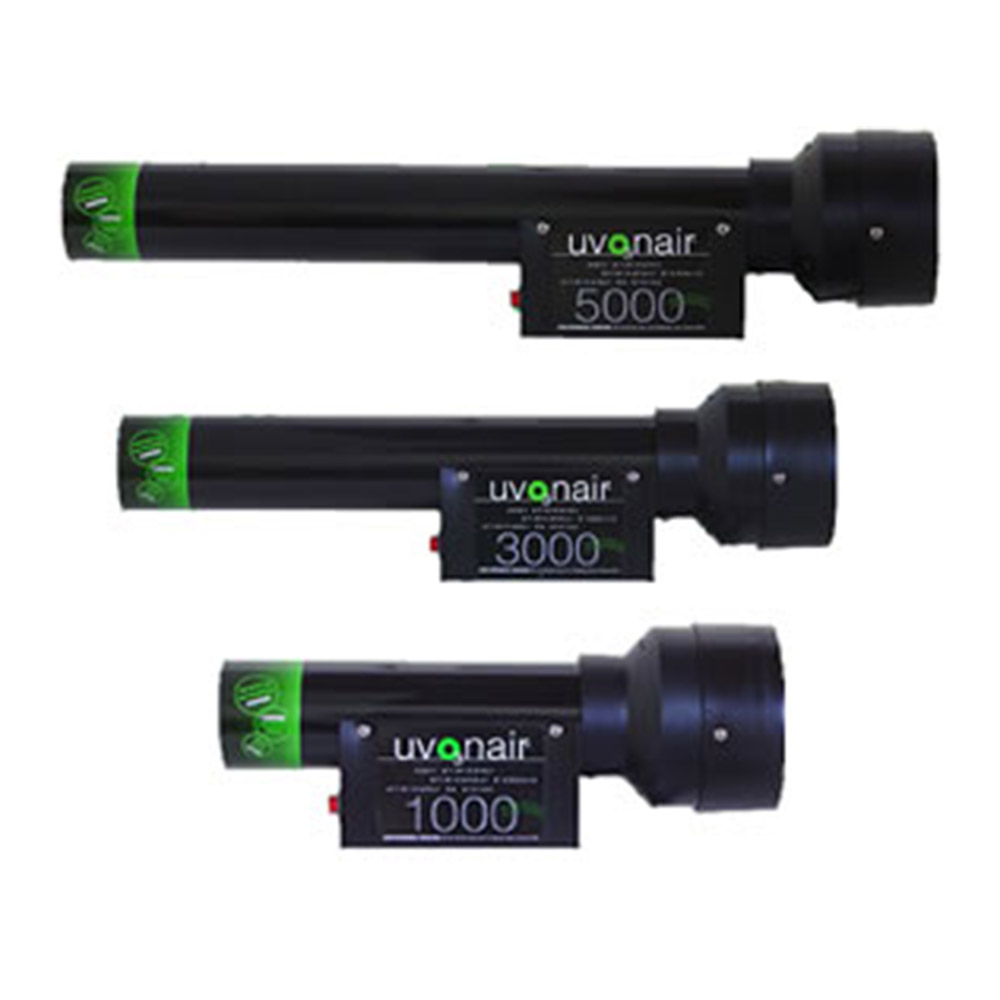
UV light, particularly UV-C and some UV-B wavelengths, can reduce mould spores and suppress fungal development. Certain growers integrate controlled UV exposure during lights-on to reduce the presence of powdery mildew spores on leaf surfaces. However, UV must be used with caution—too much can damage plant tissue. When applied correctly, UV can be a helpful supplementary strategy, but it should never replace proper airflow, humidity control, and sanitation. UV light is a preventative boost, not a cure.
Final Thoughts
Mould only develops when a grow room’s environment allows it to. By improving airflow, managing humidity, controlling temperature swings — especially at night — and maintaining a clean space, growers can prevent almost all mould problems before they begin.
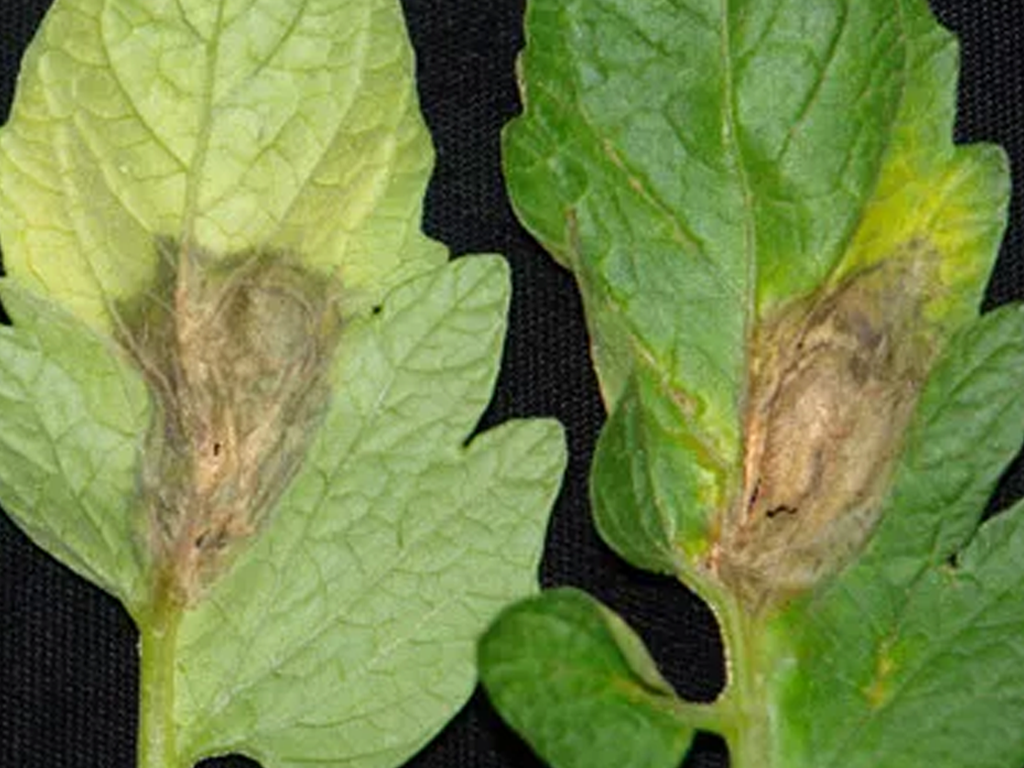
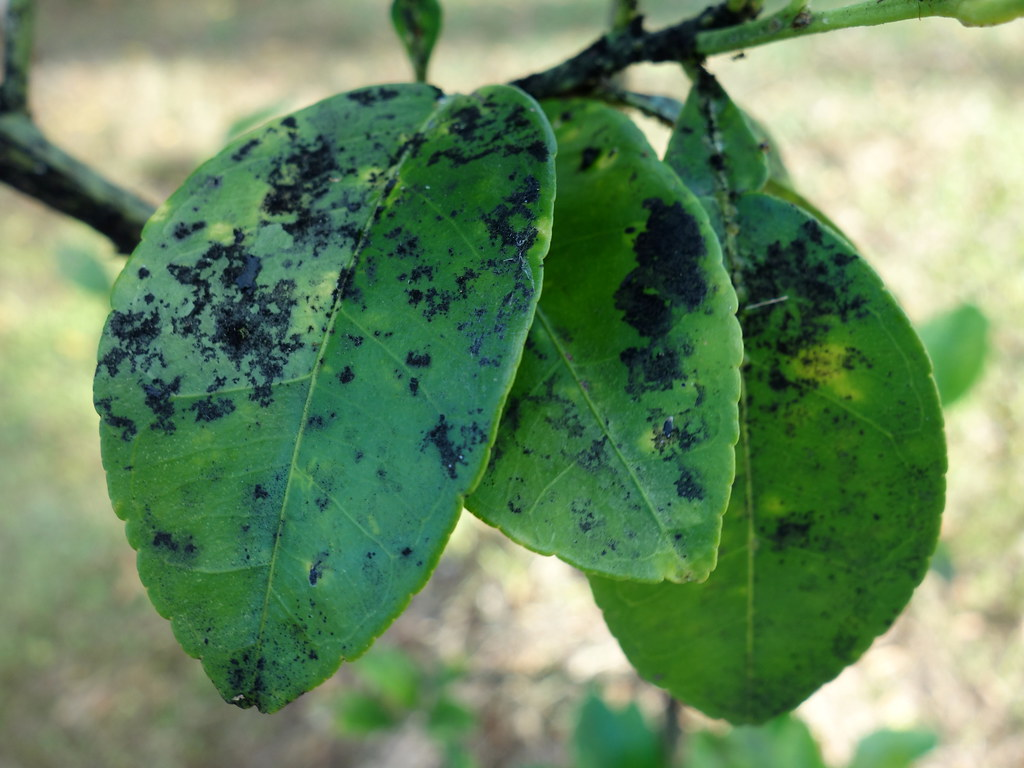
Understanding how mould forms and what conditions trigger each type gives you the power to stop issues like Powdery Mildew, Bud Rot, Sooty Mould, and Leaf Spot diseases long before they threaten your crop.