Is Reverse Osmosis Water Worth It for Hydroponics? A Grower’s Guide

Do You Actually Need Reverse Osmosis Water?
One of the biggest questions hydroponic growers ask is whether investing in a reverse osmosis system will genuinely improve their results.
The answer is not always yes.
Some growers achieve excellent results using ordinary tap water, while others continually struggle with high starting EC, rising pH, mineral deposits and nutrient imbalances before they have even added their feed.
The difference often comes down to the quality and mineral content of the local water supply.
For UK growers, particularly those living in hard-water regions such as Milton Keynes and much of the Anglian Water area, understanding your source water can make nutrient management considerably easier.
In this guide, we explain what reverse osmosis water is, when it is worth using and which products can help you build a more stable and controllable hydroponic system.
What Is Reverse Osmosis Water?
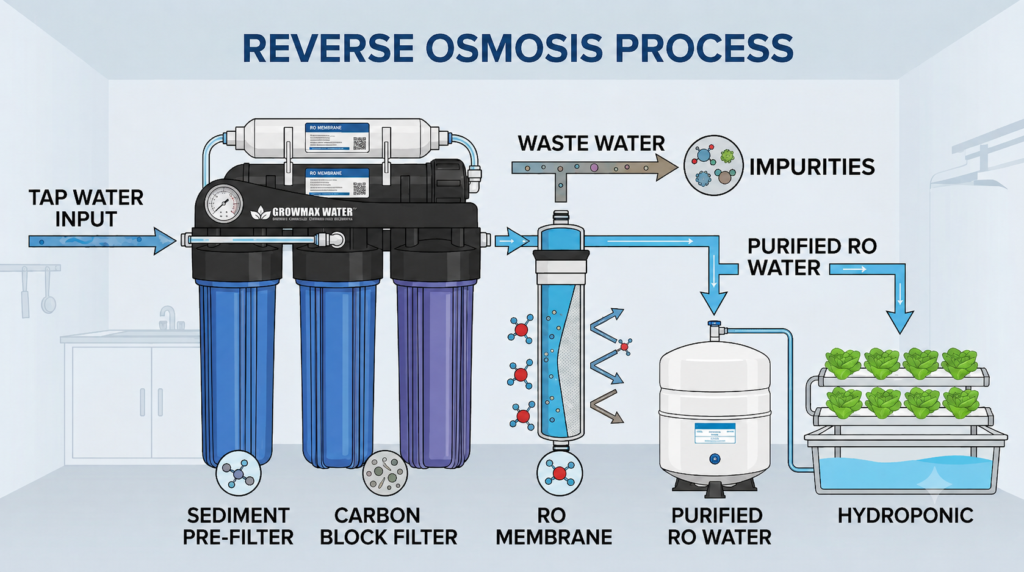
Reverse osmosis, commonly shortened to RO, is a filtration process that forces water through a fine, semi-permeable membrane.
This membrane removes a large proportion of the dissolved minerals and salts found in ordinary tap water, producing purified water with a very low starting EC.
Rather than mixing nutrients into water that already contains an unknown concentration of calcium, magnesium, bicarbonates and other minerals, RO water gives you a much cleaner starting point.
It is often described as a blank canvas because almost everything in the final nutrient solution is there because you deliberately added it.
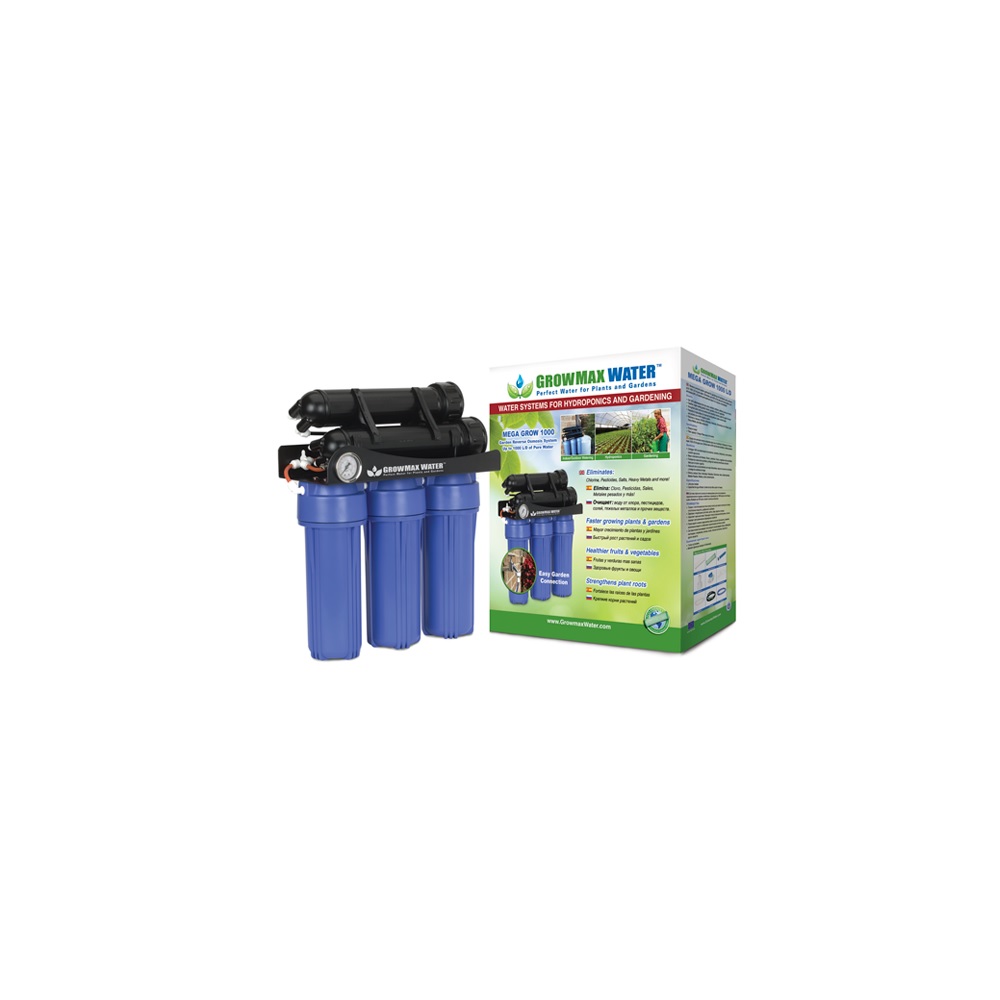
At GHEDirect we stock a range of water filters and reverse osmosis systems suitable for different water requirements and grow-room sizes.
Why Water Quality Matters in Hydroponics
Water is the foundation of every hydroponic nutrient solution.
Every litre of tap water already contains dissolved substances, which may include:
- Calcium
- Magnesium
- Bicarbonates
- Sodium
- Chlorides
- Iron and other trace minerals
Some of these minerals are useful to plants. However, the problem is that growers do not always know how much of each mineral is present or whether it is available in a form their plants can use.
If your tap water already has a relatively high EC, part of your target nutrient strength is being used up before you add any hydroponic nutrients.
For example, if your source water begins at an EC of 0.6 and your target feeding strength is 1.4, you have much less room to add a complete nutrient formula than a grower whose water begins at 0.1.
This can make it more difficult to provide the correct balance of nitrogen, phosphorus, potassium and trace elements without pushing the overall EC too high.
How Do You Know Whether You Need an RO System?
Before investing in reverse osmosis equipment, begin by measuring the EC of your untreated tap water with a reliable, Calibrated EC meter.
The following table provides a practical starting guide. These figures are not strict rules because suitability also depends on the crop, nutrient brand, growing medium and hydroponic system.
| Starting EC | What It May Mean |
|---|---|
| Below 0.2 | Very low-mineral water. Reverse osmosis is unlikely to be necessary. |
| 0.2–0.4 | Usually manageable for most hydroponic applications. |
| 0.4–0.6 | Moderately mineralised water. Consider hard-water nutrients and monitor pH carefully. |
| Above 0.6 | RO filtration or blending RO water with tap water may be worth considering. |
Testing EC does not tell you exactly which minerals are present, but it gives you a useful indication of the total dissolved mineral content.
For a fuller picture, check your supplier’s local water-quality report or have a water sample professionally analysed.
What Are the Benefits of RO Water?
1. Greater Control Over Nutrient Strength
RO water gives you a low-EC starting point, allowing you to add a more complete dose of your chosen hydroponic nutrients, additives and boosters without exceeding your target EC too quickly.
This makes feeding more predictable and can make it easier to reproduce successful nutrient programmes from one grow to the next.
2. Easier Troubleshooting
When you know exactly what has been added to the reservoir, it is easier to investigate nutrient deficiencies, toxicities and pH problems.
With high-mineral tap water, symptoms may be caused by the nutrient formula, the source water or an interaction between the two. RO water removes much of this uncertainty.
3. Better pH Management
Hard water frequently contains bicarbonates that resist changes in pH and can repeatedly push the nutrient solution upwards.
Removing much of this alkalinity can make pH easier to control.
However, completely purified water has very little buffering capacity of its own. This means pH can also move quickly if the solution is not correctly remineralised and mixed with a complete nutrient formula.
A dependable pH meter, EC meter and calibration solution remain essential when growing with RO water.
4. Cleaner Irrigation Equipment
Hard water can leave mineral deposits inside:
- Drippers
- Feed lines
- Pumps
- Reservoirs
- Spray nozzles
- Aeroponic misters
Over time, these deposits can restrict water flow and increase maintenance requirements.
Using RO water can reduce mineral scale and help keep irrigation equipment cleaner, particularly in fine-drip and aeroponic systems.
5. Consistency Between Different Locations
Tap-water composition can vary significantly between towns and even between nearby supply zones.
Commercial growers or growers operating from more than one location may find that RO water creates a more consistent base for the same nutrient programme, removing variables.
What Are the Disadvantages of Reverse Osmosis?
Although RO water offers excellent control, it is not the perfect choice for every grower.
RO Systems Produce Waste Water
Reverse osmosis systems produce a stream of purified water and a separate stream containing the rejected minerals.
The ratio varies between systems and depends on water pressure, temperature, membrane condition and filter design.
Growers should consider how much purified water they need and whether the rejected water can be collected for suitable non-hydroponic uses.
depending on the quality of your water, there are approximately 7 litres of waste water for every 1 litre of purified water.
Filtration Takes Time
Reverse osmosis (RO) systems are normally rated according to the number of litres of purified water they can produce over a 24-hour period. Actual production can vary depending on factors such as water pressure, temperature and the quality of the incoming water.
Consider a larger-capacity unit if you need to produce the required volume more rapidly.
RO water contains very little mineral content or buffering capacity and is therefore best used fresh rather than stored for extended periods. As a general guideline, avoid storing untreated RO water for more than 24 hours.
To increase its buffering and mineral content, either add approximately 10% tap water back into the RO water or add the appropriate nutrients or remineralising solution.
Once prepared in this way and stored correctly in a clean container, it can generally be kept for up to five days, depending on its intended use.
Filters and Membranes Require Maintenance
Pre-filters, carbon filters and RO membranes do not last forever.
Replacement intervals depend on usage and the quality of the incoming water. Regular maintenance helps protect the membrane and maintain the system’s output quality.
RO Water Contains Very Little Calcium or Magnesium
Reverse osmosis removes minerals your plants need as well as minerals you may not want.
Plants grown with RO water will usually require calcium and magnesium to be supplied through the nutrient programme or a suitable supplement.
At GHEDirect we stock calcium, magnesium and mineral supplements designed to help growers rebuild a balanced nutrient solution.
Do You Need Cal-Mag with RO Water?
In many cases, yes.
RO water usually contains very little calcium or magnesium, yet both are essential for healthy plant development.
Calcium supports cell-wall development and new growth, while magnesium is a central component of chlorophyll and is essential for photosynthesis.
A suitable supplement can help prevent symptoms such as:
- Pale or yellowing leaves
- Interveinal chlorosis
- Distorted new growth
- Brown or damaged leaf margins
- Weak stems
- Reduced vigour
Products such as Mills Calmag, Shogun CalMag, Plant Magic Magne-Cal & Terra Aquatica Calcium Magnesium can add useful mineral content back into RO water and help create a more stable nutrient solution.
Always follow the manufacturer’s instructions and account for any calcium or magnesium already included in your base nutrient.
Can You Mix RO Water with Tap Water?
Yes. Blending RO water with tap water is a practical compromise for many growers.
For example, if your tap water starts at EC 0.7, mixing it with a similar quantity of low-EC RO water may reduce the starting EC considerably while retaining some natural mineral content.
This approach can offer several advantages:
- Lower starting EC
- Reduced RO water consumption
- Some retained calcium and magnesium
- Improved buffering compared with pure RO water
- Less rejected water
Measure the blended water with an EC meter before adding nutrients, as the final reading will depend on the precise quality of both water sources.
Are Hard-Water Nutrients an Alternative?
Yes. If your water is moderately hard rather than extreme, a nutrient formulated specifically for hard water may be a simpler solution.
Hard-water nutrients are generally designed to account for the calcium and other minerals already present in the source water.
This can help prevent excessive calcium levels while allowing enough room within the target EC for the remaining essential nutrients.
Before buying an RO system, compare the cost and convenience of:
- Using a hard-water nutrient formula
- Blending tap water with RO water
- Using 100% RO water and remineralising it
The best choice depends on your source-water EC, system size, crop and desired level of control.
Which Hydroponic Systems Benefit Most from RO Water?
RO water can be useful in almost any growing method, but it is particularly valuable in systems where the nutrient solution is reused or delivered through small outlets.
Recirculating Hydroponic Systems
In NFT, deep-water culture and flood-and-drain systems, minerals can accumulate as the same solution circulates repeatedly.
Starting with low-EC water makes it easier to monitor what is building up over time.
Drip Irrigation
Drippers and narrow irrigation lines are vulnerable to mineral deposits. RO water can reduce scale and help maintain a more consistent flow.
Aeroponics
Fine misting nozzles can become blocked by mineral deposits. Purified water is particularly useful where small nozzle openings are involved.
Coco Growing
Coco naturally interacts with Calcium and Magnesium to replace the missing Sodium, so growers need to manage these elements carefully.
RO water can offer greater control, but it should normally be used alongside an appropriate coco nutrient and calcium-magnesium strategy.
Products to Use with an RO System
Water Filters and Reverse Osmosis Systems
Choose an RO system based on the amount of water your grow requires each day, your available water pressure and the quality of your incoming supply.
Browse our range of water filters and reverse osmosis systems.
EC and pH Meters
Accurate testing is essential when working with low-mineral water.
An EC and pH meter allows you to check your untreated water, filtered water and finished nutrient solution.
Calcium and Magnesium Supplements
Reintroduce essential minerals using an appropriate calcium and magnesium supplement.
Hydroponic Nutrients
Once you have created a clean water base, use a complete hydroponic nutrient suitable for your crop, growing medium and system.
Water Pumps
Good circulation helps keep the nutrient solution mixed and prevents stagnant areas within the reservoir.
Explore GHEDirect’s range of water pumps.
Air Pumps and Air Stones
Healthy roots need oxygen as well as water and nutrients.
Suitable air pumps and air stones can improve aeration in reservoirs and deep-water culture systems.
Water Chillers
Warm nutrient solution holds less dissolved oxygen and can contribute to root stress.
A water chiller can help maintain a more stable root-zone temperature during warm conditions.
How to Set Up a Nutrient Solution with RO Water
- Produce enough RO water for your reservoir and allow it to reach the appropriate temperature.
- Check the starting EC to confirm the filtration system is working correctly.
- Add Cal-Mag or another remineralising product if required by your nutrient programme.
- Add your base nutrients one component at a time, mixing thoroughly between additions.
- Check the EC and adjust gradually until you reach the required strength.
- Measure and adjust the pH after all nutrients and supplements have been mixed.
- Allow the solution to circulate and check the readings again before feeding your plants.
Never mix concentrated nutrient components directly together. Add each product separately to the water and mix thoroughly.
Frequently Asked Questions
Is reverse osmosis water always better for hydroponics?
No. RO water offers greater control, but growers with low-EC tap water may see little benefit. It should solve a genuine water-quality problem rather than being treated as an automatic requirement.
Can I use pure RO water without adding minerals?
Plants should not be grown on untreated RO water alone. It contains almost none of the essential mineral nutrition plants require. Add a complete nutrient programme and any required calcium and magnesium supplement.
Does RO water stop pH drift?
It can reduce the upward drift associated with bicarbonates in hard water. However, pure RO water has very little buffering capacity, so pH can still change rapidly if the nutrient solution is not correctly balanced.
Will reverse osmosis remove limescale?
RO filtration removes much of the dissolved mineral content responsible for limescale, helping to reduce new deposits in reservoirs and irrigation equipment.
Is bottled water a good alternative?
Not necessarily. Bottled mineral water may have a high dissolved mineral content and can be expensive for filling hydroponic reservoirs. Always check its mineral analysis and EC before use.
How often should I replace an RO membrane?
The replacement interval depends on the system, the quality of the incoming water and how frequently it is used. Monitor output EC and flow rate, and follow the manufacturer’s maintenance guidance.
Can I use the rejected water?
Rejected water contains a higher concentration of the minerals removed from the purified stream. Depending on its quality, it may be suitable for cleaning, flushing toilets or watering non-sensitive outdoor plants. It should not be returned to the hydroponic reservoir.
Final Verdict: Is Reverse Osmosis Water Worth It?
Reverse osmosis is not a magic solution, and it is not essential for every grower.
However, it can be a worthwhile investment for UK growers who regularly experience:
- High starting EC
- Persistent upward pH drift
- Heavy limescale deposits
- Blocked drippers or irrigation lines
- Difficulty following nutrient schedules
- Repeated nutrient imbalances
For growers in hard-water areas such as Milton Keynes, RO filtration can remove one of the largest variables in the growing process.
It gives you a cleaner base from which to build your nutrient solution, improves repeatability and makes troubleshooting considerably easier.
Before investing, test your tap water with a reliable EC meter such as an Aquamaster or a Bluelab and check your local water-quality report.
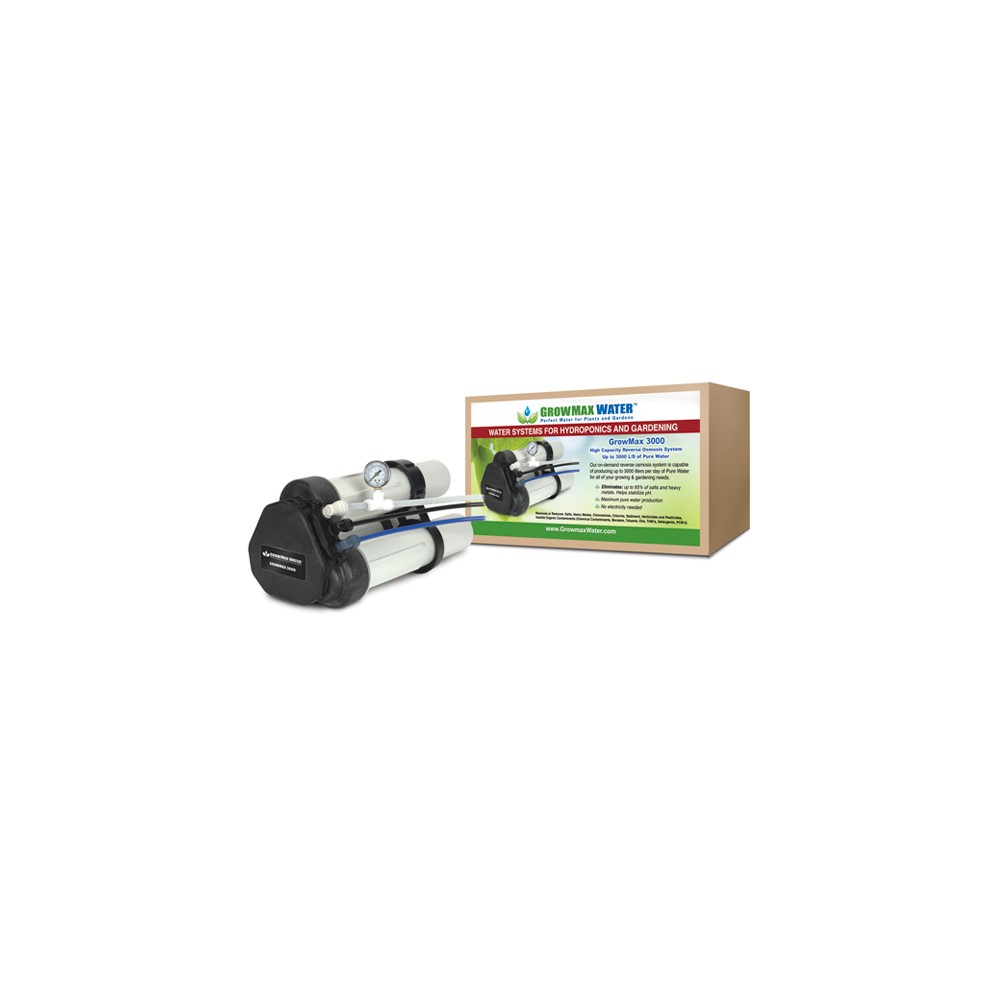
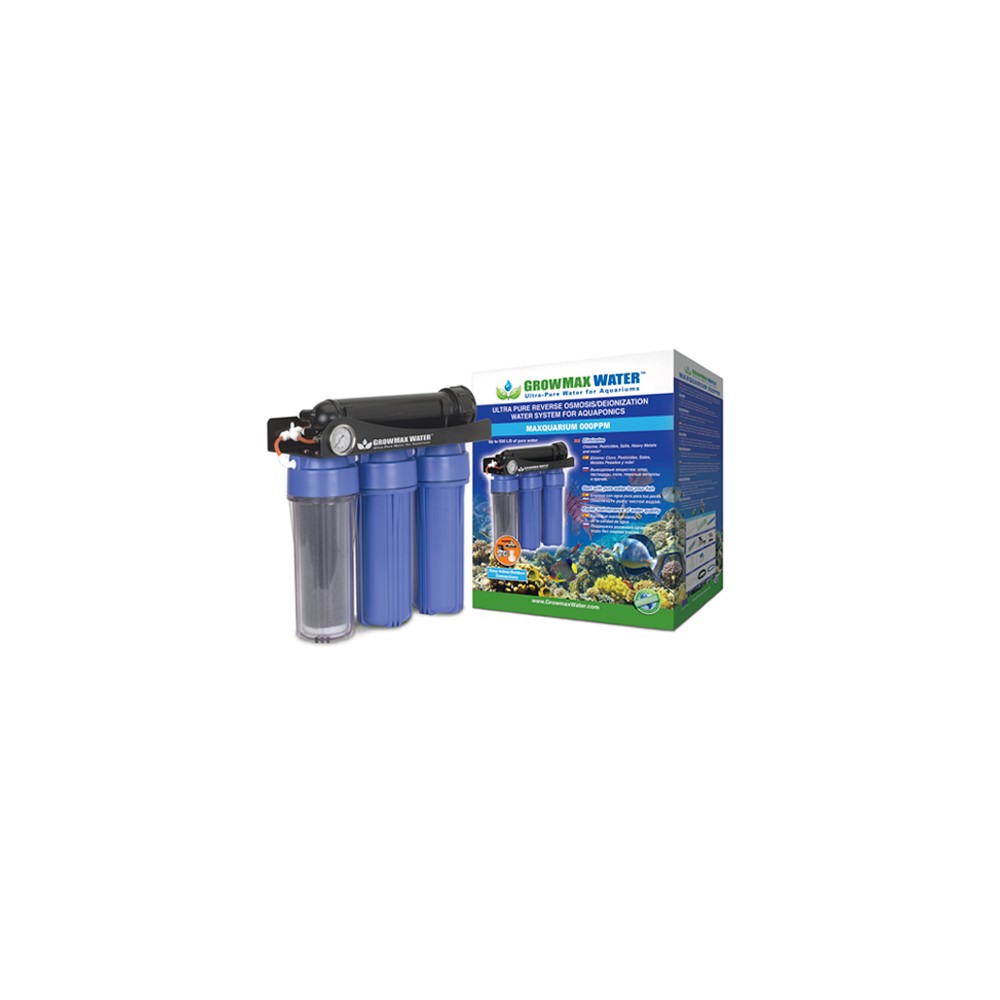
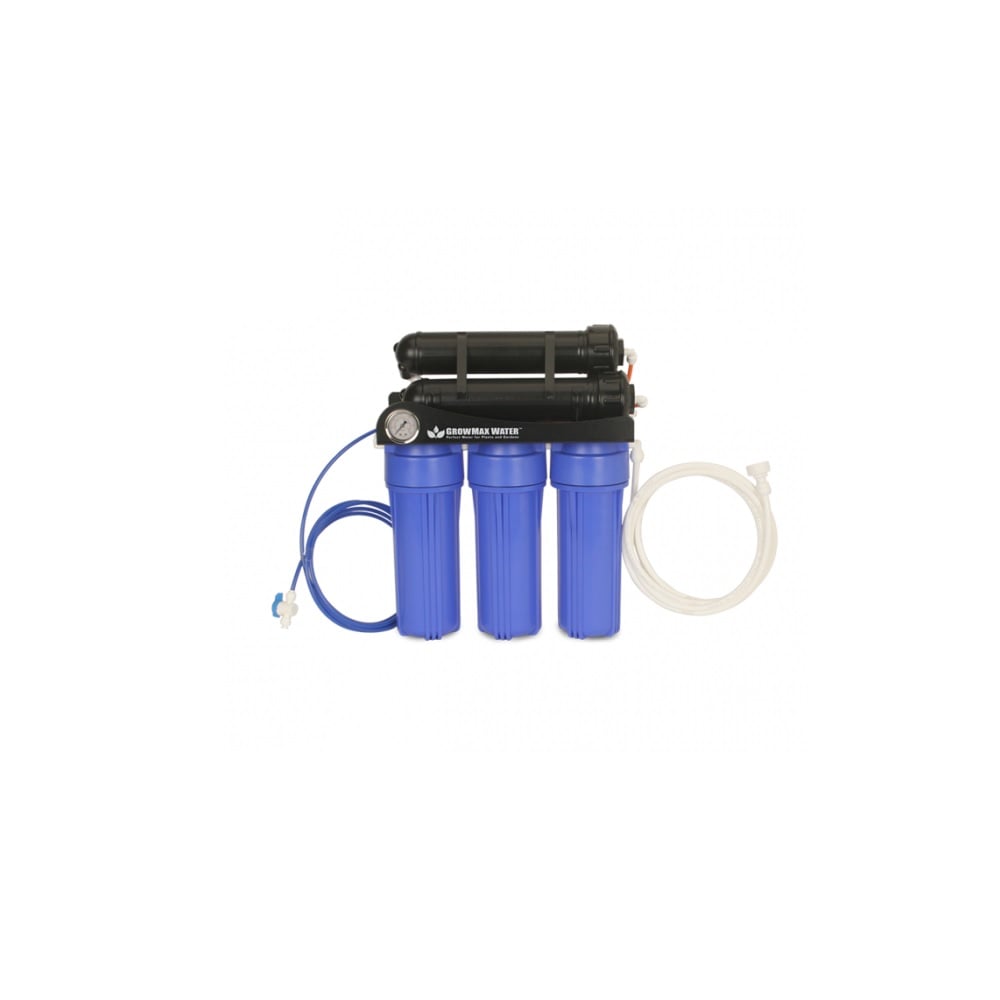
If your starting EC is consistently high, explore our selection of Growmax reverse osmosis systems and water filters to find an option suited to your grow-room requirements.