Heatwaves & Grow Room Pests: What UK Growers Should Watch For
When temperatures climb above 28°C in the UK, most indoor growers immediately think about reservoir temperatures, airflow and keeping their environment stable. But there’s another consequence of summer heat that often gets overlooked—the rapid increase in pest activity.
A warm grow room doesn’t just speed up plant growth. It also accelerates the breeding cycle of common pests, meaning a minor issue at the start of the week can quickly become a serious infestation if left unchecked.
Here’s what to look out for during a UK heatwave and how to stay one step ahead.
Spider Mites – The Number One Heatwave Pest
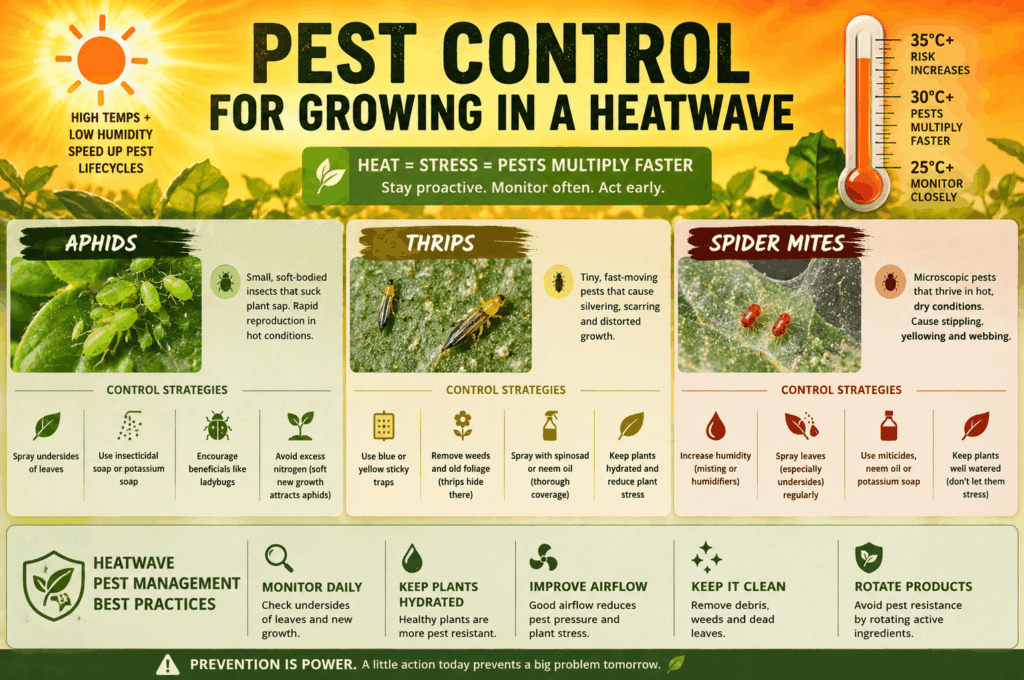
If there’s one pest that thrives in hot, dry grow rooms, it’s the spider mite.
Temperatures above 28°C, combined with lower humidity, create ideal breeding conditions. Their life cycle speeds up dramatically in warm conditions, allowing populations to build before many growers even realise there’s a problem.
Early warning signs include:
- Tiny white or yellow speckles across leaves
- Fine webbing around stems and foliage
- Leaves losing their healthy green colour
- Slower growth despite optimal feeding
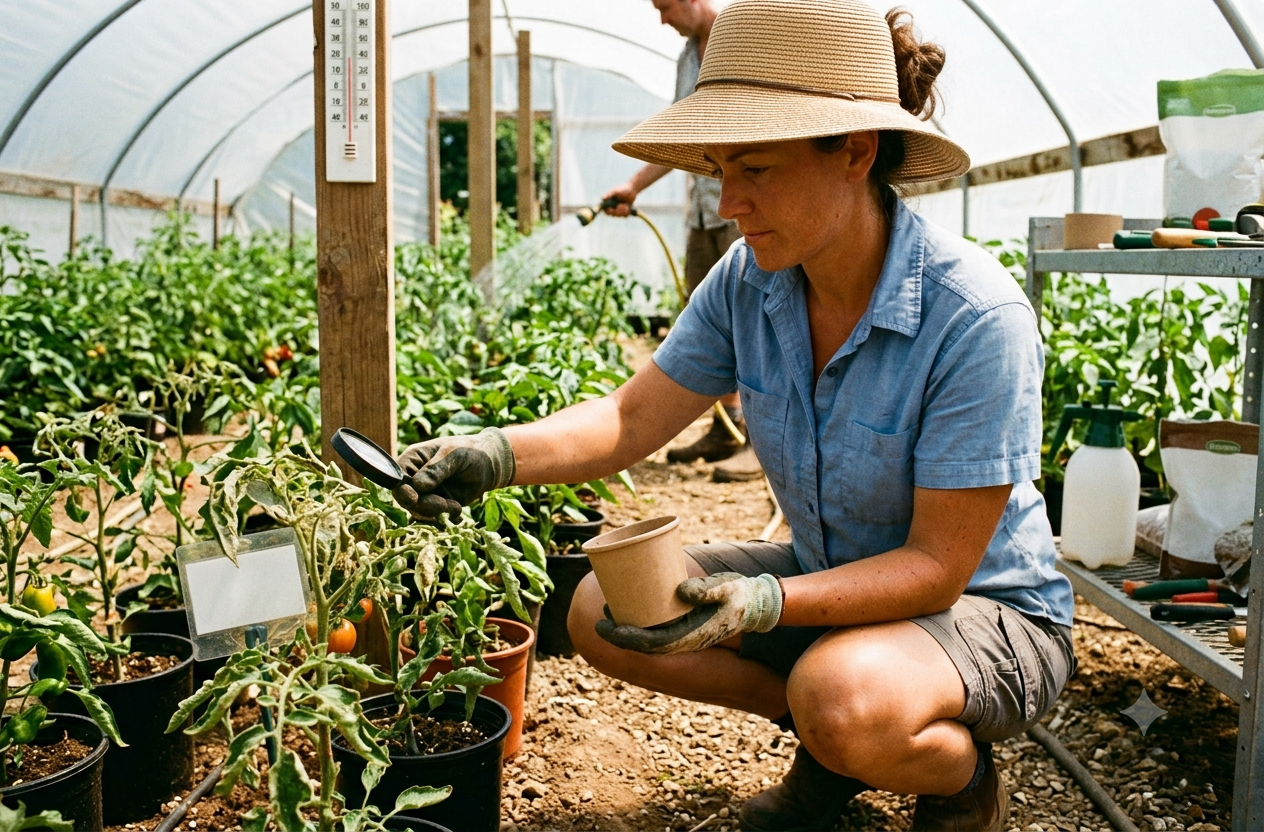
A jeweller’s loupe or handheld microscope can help identify mites long before visible webbing appears, making treatment far more effective.
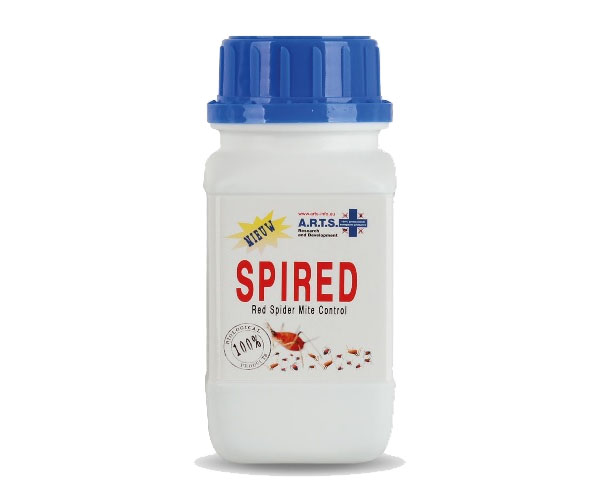
If treatment is required, ARTS Spired and the Dr. Shimmel range are popular choices and fit well into an Integrated Pest Management (IPM) programme.
Thrips Become Far More Active in Warm Conditions
Thrips are another pest that can flourish during prolonged periods of hot weather.
Because they feed by scraping leaf surfaces, the damage often appears as silvery streaks rather than obvious bite marks. They’re also experts at hiding beneath leaves and within fresh growth.
Look out for:
- Silver or bronze streaking
- Tiny black specks left behind by feeding
- Twisted or distorted new leaves
- Reduced plant vigour
Blue or yellow sticky traps are excellent monitoring tools and can provide an early indication that thrips have entered the grow room before visible damage becomes widespread.
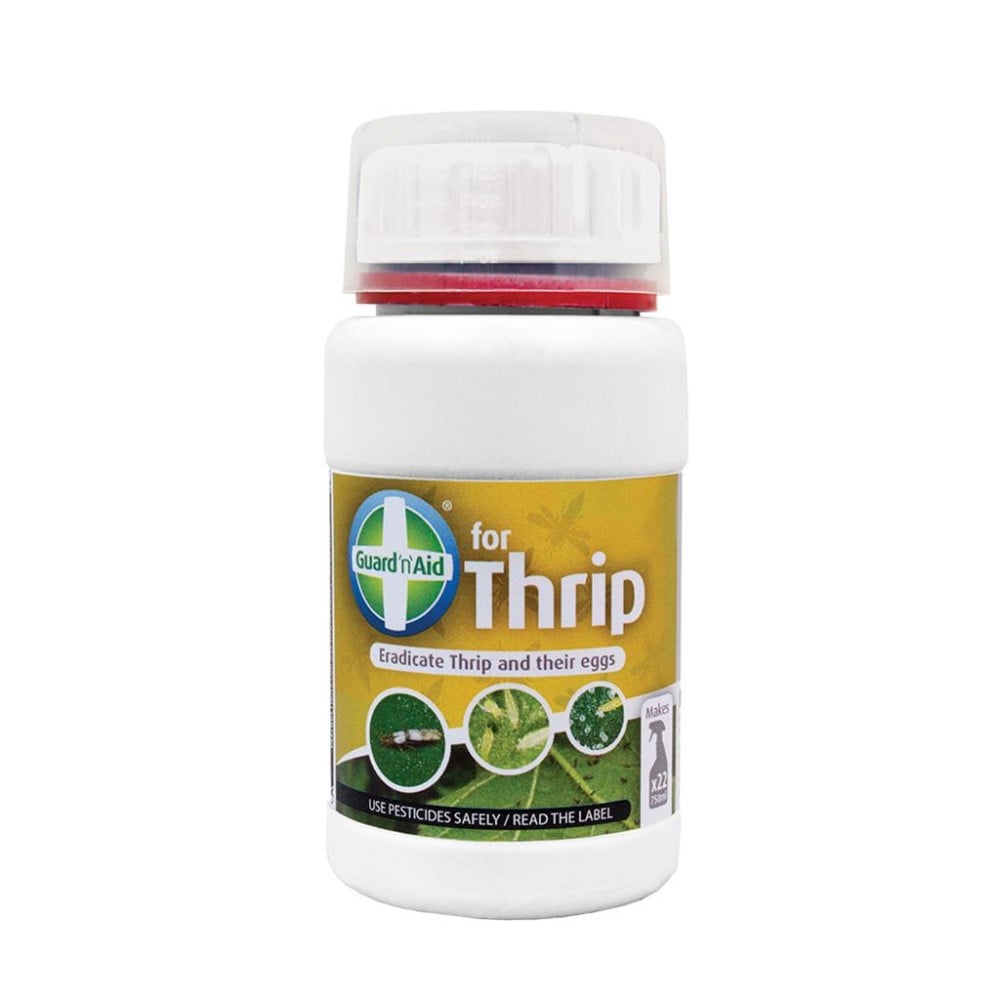
The ARTS Velgro Thrips Spray can help tackle thrips when used alongside good environmental management.
Fungus Gnats – More Than Just Annoying Flies
Adult fungus gnats are mostly a nuisance, but their larvae can cause genuine problems around the root zone.
During a heatwave it’s tempting to water more frequently, leaving growing media damp for longer periods. These conditions are ideal for fungus gnat larvae, which feed on delicate root hairs and can increase the risk of root disease.
Common signs include:
- Small black flies hovering around pots or trays
- Poor root development
- Sluggish nutrient uptake
- Slow or uneven plant growth
Good hygiene is essential. Remove algae where possible, avoid leaving standing water, allow the surface of the growing media to dry where appropriate, and use sticky traps to monitor adult populations.
Aphids Can Arrive Faster Than You Think
Warmer weather often means more open windows, intake vents and greenhouse doors, making it easier for winged aphids to find their way inside.
Once established, they reproduce incredibly quickly, feeding on soft new growth and weakening otherwise healthy plants.
Check regularly for:
- Clusters of green, black or white insects on growing tips
- Curled or distorted leaves
- Sticky honeydew on foliage
- Increased ant activity around plants
Regular inspections of growing tips and the undersides of leaves are usually enough to catch aphids before they become established.
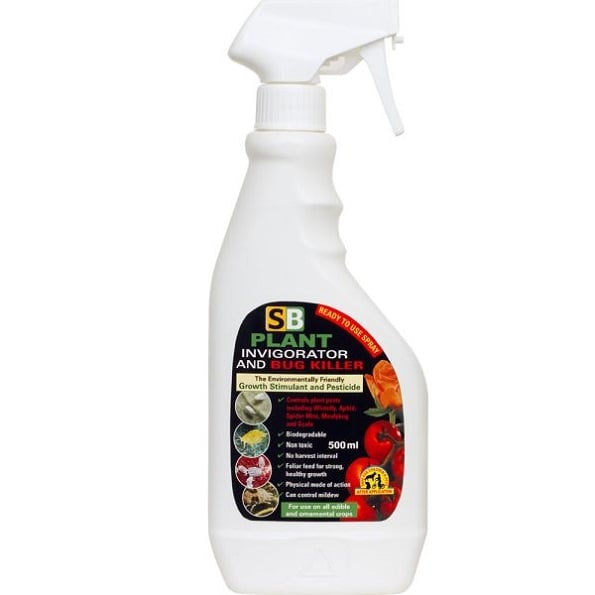
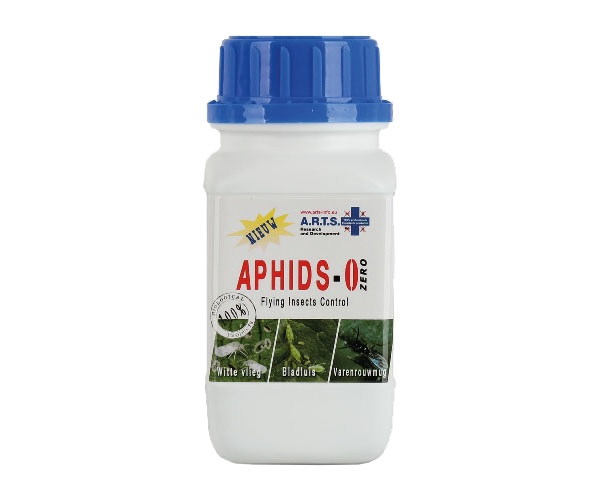
Products such as SB Plant Invigorator and ARTS Aphids-O, are widely used by growers as part of a preventative pest management routine.
Prevention Is Always Easier Than Cure
The best growers rarely wait until pests become visible.
Instead, they make prevention part of their regular routine, especially during periods of extreme weather.
Simple practices include:
- Improving air circulation with oscillating fans
- Removing dead or damaged foliage promptly
- Cleaning up plant debris and spillages
- Inspecting the underside of leaves every few days
- Using sticky traps to monitor insect activity
- Quarantining new plants before introducing them into the growing space
These simple habits can dramatically reduce the chances of a small pest problem becoming a major infestation.
Build an Integrated Pest Management Routine
The most successful growers don’t rely on a single spray or treatment. Instead, they combine careful environmental control, regular inspections, good hygiene and targeted products when necessary.
Here at GHEDirect we offer a comprehensive range of pest control solutions, including Biogreen Garlic, ARTS Spired, SB Plant Invigorator, and ARTS Aphids-O, making it easier to build an effective Integrated Pest Management (IPM) programme that focuses on prevention as much as treatment.
As UK summers continue to bring longer and hotter spells, understanding how pests respond to higher temperatures is becoming just as important as managing lighting, nutrition and irrigation. Catching problems early—and responding with the right combination of environmental control and targeted treatments—will always be more effective than trying to recover from a full-blown infestation.
Final Thoughts
Heatwaves don’t just affect your plants—they create the perfect conditions for many of the most troublesome grow room pests to multiply rapidly. By combining regular inspections, a clean growing environment, good airflow and proven pest control products, you’ll be in a much stronger position to protect your crop throughout the summer.
A proactive approach will always outperform a reactive one, helping you spend less time fighting infestations and more time enjoying healthy, vigorous growth.