Why Monitoring EC is the Secret to Healthier Plants
If you regularly monitor your hydroponic reservoir, you’ve probably noticed your EC (Electrical Conductivity) creeping up over time. It can be worrying, especially if you’ve mixed your nutrients correctly and haven’t added anything new to the system.
The good news? A rising EC doesn’t always mean something is wrong.
In fact, your plants are often telling you exactly what’s happening inside the root zone—you just need to know how to interpret the signs.
In this guide, we’ll explain why EC rises, when you should be concerned, and what you can do to keep your nutrient solution balanced throughout your grow.
What is EC?
Electrical Conductivity (EC) measures the concentration of dissolved mineral salts in your nutrient solution. Put simply, it tells you how strong your nutrient mix is.
A higher EC means more dissolved nutrients are present in the water, while a lower EC means the solution has lower levels dissolved nutrients are present in the water.
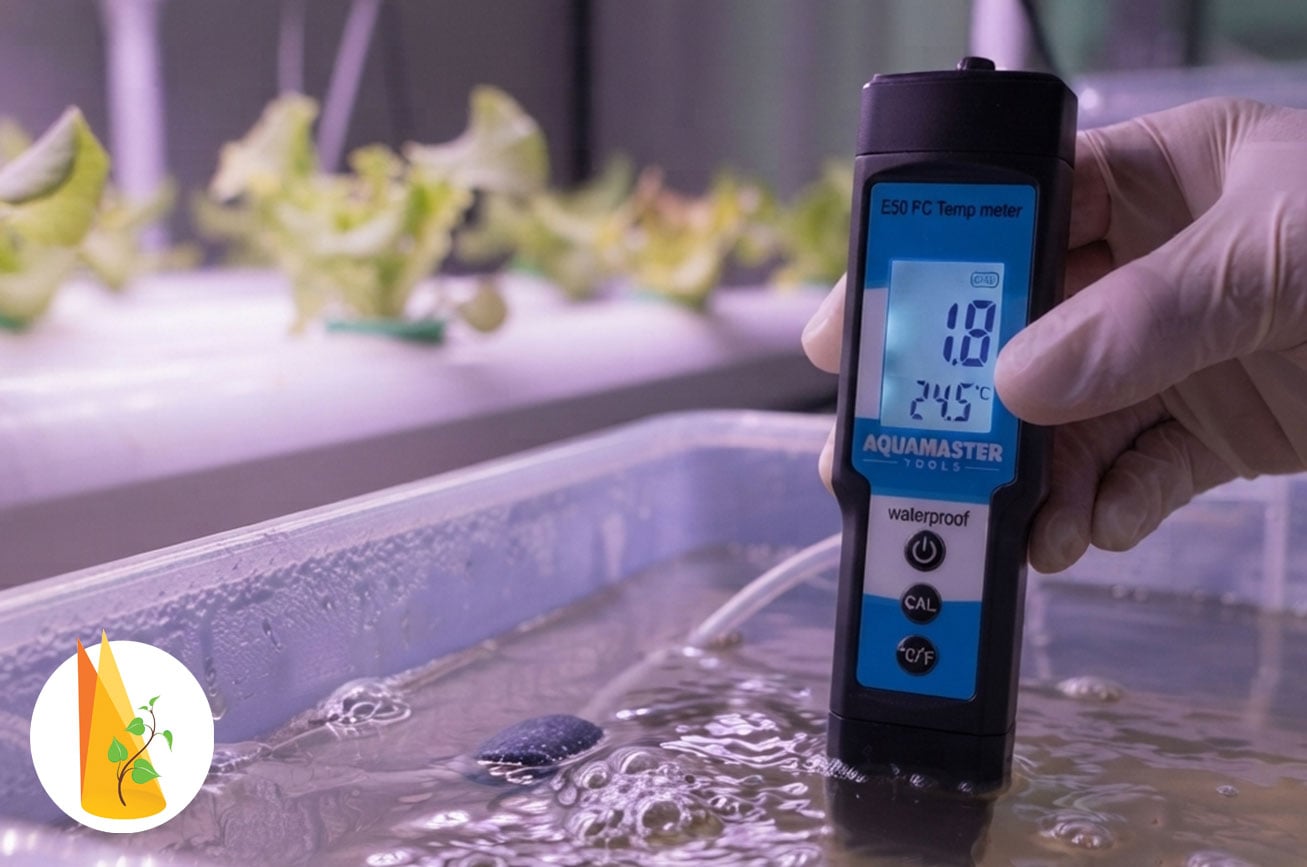
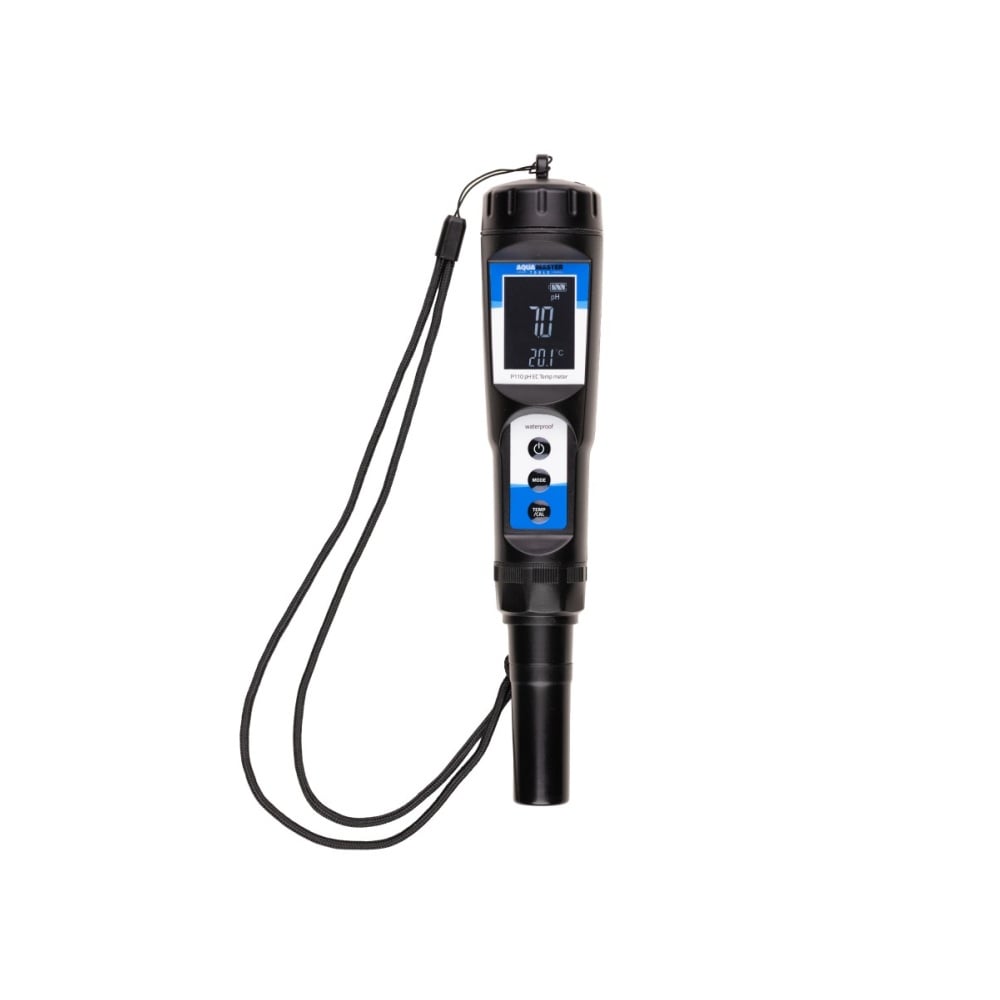
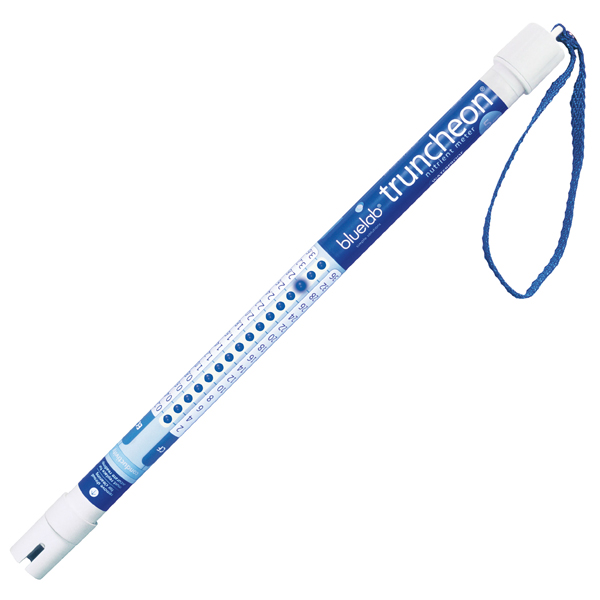
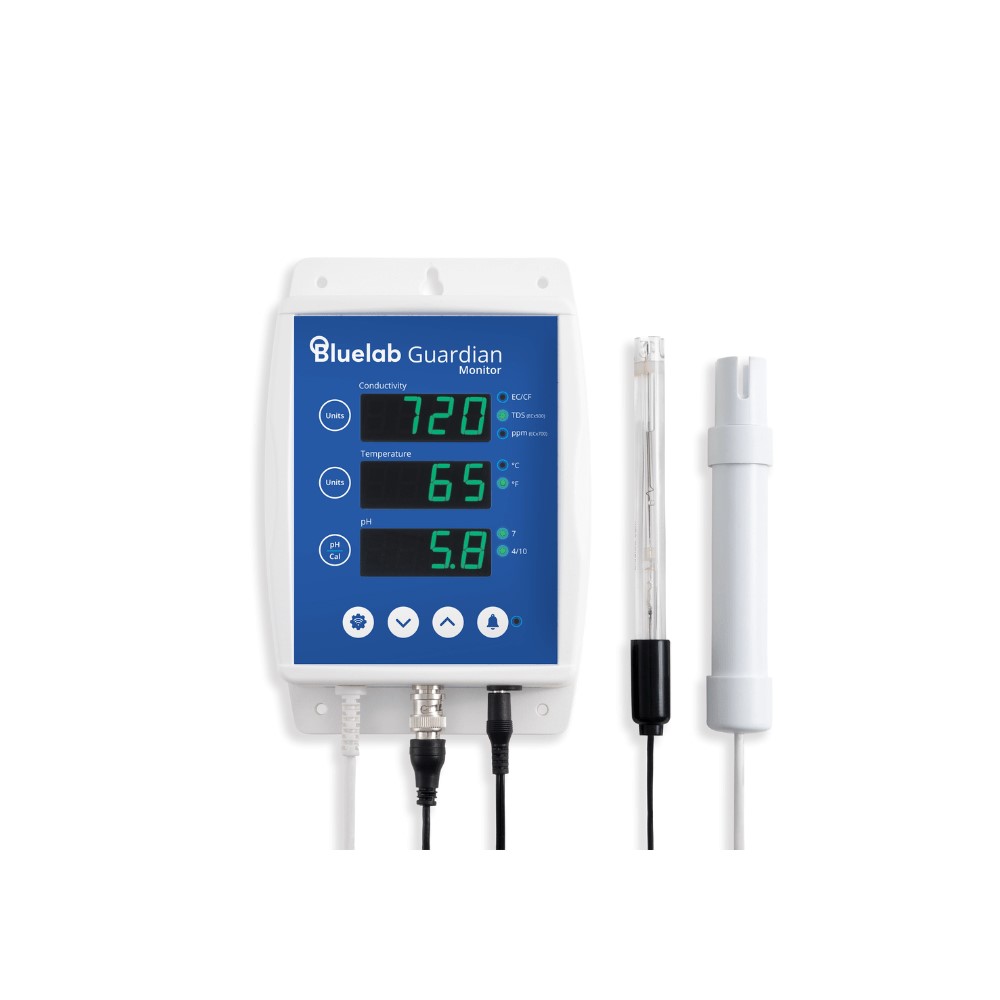
Monitoring EC is one of the simplest and most effective ways to understand how your plants are feeding. A reliable EC and pH meter allows you to monitor nutrient strength accurately and make adjustments before problems develop.
Why Does EC Rise?
The most common reason is surprisingly simple:
Your plants are drinking more water than nutrients.
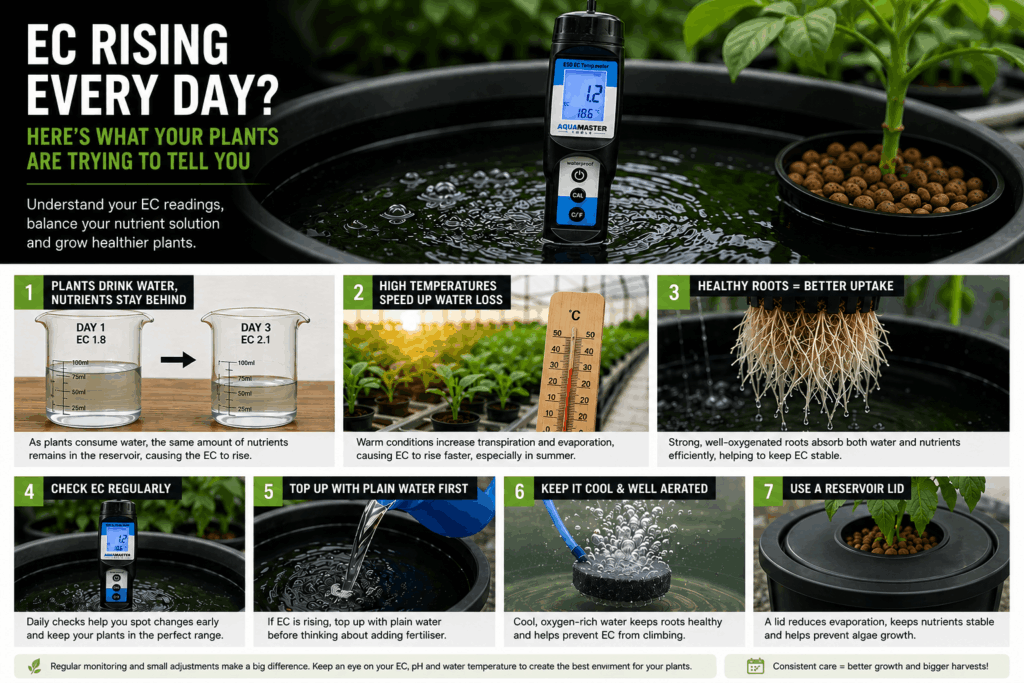
During warm weather, or when plants are growing rapidly, they transpire more water through their leaves. As they draw water from the reservoir, many of the dissolved nutrients remain behind.
With less water but the same amount of nutrients, the concentration increases—and so does the EC.
This is perfectly normal to a point.
A Simple Example
Imagine you start with:
- 100 litres of nutrient solution
- An EC reading of 1.8
After a few days:
- Your plants have consumed 10 litres of water
- Only a proportion of the nutrients have been absorbed
You now have approximately 90 litres of solution containing much of the same dissolved nutrient content.
The result?
Your EC may have risen to 2.0 or higher without you adding a single drop of fertiliser.
Why Summer Makes Rising EC More Noticeable
July and August often bring the biggest EC fluctuations.
Higher temperatures increase:
- Plant transpiration
- Evaporation from open reservoirs
- Daily water consumption
Fast-growing fruiting plants such as tomatoes, peppers and cucumbers can drink several litres each day, particularly in greenhouses and warm grow rooms.
This is why daily reservoir checks become much more important during summer.
When is Rising EC a Problem?
A gradual increase isn’t usually a cause for concern.
However, if your EC rises consistently every day despite topping up your reservoir, it may indicate that something isn’t quite right.
1. Your Nutrient Solution Is Too Strong
If the starting EC is higher than the plant needs, it will naturally absorb more water while leaving excess nutrients behind.
Over time, this concentrates the solution even further.
Reducing the strength of your hydroponic nutrients slightly can sometimes produce healthier, faster-growing plants than feeding continually at maximum strength.
2. Your Nutrient Solution is Too Warm
Warm nutrient solutions contain less dissolved oxygen.
Stressed roots may absorb nutrients less efficiently while the plant continues losing water through transpiration. The result is an EC reading that keeps climbing.
Ideally, aim to keep nutrient solution temperatures around 18–20°C for healthy root development. During hot weather, a suitable hydroponic water chiller can help maintain a more stable root-zone temperature. These increased temperatures can also lead is root borne diseases such as pythium, so managing your temperatures is critical.
3. Water is Evaporating from the Reservoir
Not all water loss comes from your plants.
Open reservoirs, especially those exposed to direct light or warm moving air, can lose a surprising amount of water through evaporation.
Using a reservoir lid or cover helps minimise unnecessary water loss, limits light exposure and reduces the chance of algae developing inside the tank.
4. Your Roots Are Stressed
Healthy roots actively absorb both water and nutrients. Damaged or unhealthy roots may struggle to take up minerals efficiently.
Common causes include:
- Low dissolved oxygen
- High water temperatures
- Root disease
- Salt build-up
- Poor circulation
Improving aeration with suitable air pumps and air stones is one of the simplest ways to support a healthier, oxygen-rich root zone. However if you are using Organic Nutrients that will react aerobically to increased oxygen, change the Nutrient Solution more frequently (always make a fresh batch each time its required).
If EC continues rising while plant growth slows, inspect the roots and check the water temperature, aeration and cleanliness of the system.
Should You Add More Nutrients?
Usually, no.
One of the biggest mistakes new hydroponic growers make is adding more nutrients simply because the reservoir level has dropped.
If the EC has increased, adding extra nutrients will only make the solution stronger.
Instead:
- Top up the reservoir with plain water.
- Mix thoroughly and allow the reading to settle.
- Measure the EC again.
- Only add nutrients if the EC remains below your desired range.
This simple routine helps prevent overfeeding and keeps nutrient availability more consistent.
What If EC is Falling Instead?
If the EC drops while the water level also falls, your plants may be consuming nutrients faster than water.
This can indicate:
- Healthy, vigorous growth
- Increasing nutrient demand
- Plants entering a heavier feeding stage
In this situation, you may need to top up with a diluted nutrient solution rather than plain water. Always check the plant’s condition, growth stage and the nutrient manufacturer’s feeding guidance before increasing strength.
What Does a Stable EC Mean?
Many experienced growers aim for:
- A slowly falling water level
- A relatively stable EC
- A stable or gently drifting pH
This often indicates that plants are taking up water and nutrients in roughly balanced proportions.
Rather than chasing a perfect number every day, look for a consistent pattern. The trend is usually more useful than a single isolated reading.
How Often Should You Check EC?
- Seedlings and young plants: Every two to three days
- Vegetative growth: Daily
- Flowering and fruiting plants: Daily
- During hot weather: Morning and evening where practical
Using a reliable EC meter takes only a few seconds and can help you identify nutrient problems before they affect plant health.
Tips for Keeping EC Stable
- Top up the reservoir with plain water before adding more nutrients.
- Keep nutrient solution temperatures around 18–20°C where possible.
- Use a reservoir lid to reduce evaporation and light exposure.
- Maintain good aeration with appropriate air pumps and air stones where possible.
- Check that pumps and filters are clean and working correctly.
- Replace the nutrient solution regularly to reduce salt build-up and nutrient imbalance.
- Calibrate your meter regularly using the appropriate calibration solution.
- Record EC, pH, water temperature and reservoir level so you can spot trends.
A Quick EC Troubleshooting Guide
EC rising and water level falling
Your plants are probably taking up more water than nutrients. Top up with plain water, mix thoroughly and test again.
EC falling and water level falling
Your plants may be taking up nutrients faster than water. Check their growth stage and consider topping up with a mild nutrient solution.
EC stable and water level falling
Water and nutrient uptake are likely to be reasonably well balanced. Continue monitoring rather than making unnecessary changes.
EC rising and plants are wilting or growing slowly
Check for excessive nutrient strength, high water temperature, poor aeration, salt build-up or unhealthy roots.
Frequently Asked Questions
Is it normal for EC to rise every day?
Yes. It often means plants are using more water than nutrients, especially during warm weather. Small daily increases can be normal, but the trend should still be monitored.
Should I lower EC immediately if it rises?
Not necessarily. First check how much water has been consumed. Topping up with plain water may bring the EC back towards your target without any further adjustment.
Can high EC damage plants?
Yes. Excessively high EC can cause nutrient burn and osmotic stress, making it more difficult for roots to absorb water. This may result in leaf-tip burn, curling, slow growth or wilting.
Why is my EC rising when my plants look healthy?
Healthy plants can consume water faster than nutrients. If growth remains vigorous, leaves look healthy and roots are clean, a slight increase may simply reflect normal water uptake.
Can an inaccurate meter cause confusing EC readings?
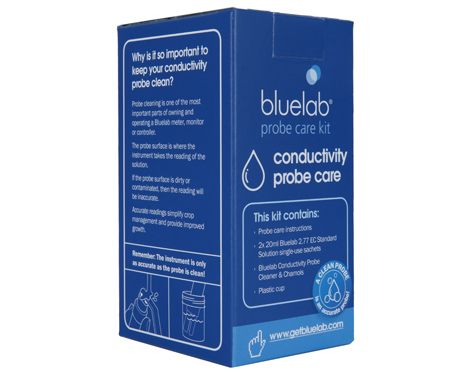
Yes. Dirty probes, dried-out sensors and poor calibration can all produce unreliable readings. Clean and calibrate your meter according to the manufacturer’s instructions.
Final Thoughts
Your EC meter is more than a tool for checking nutrient strength—it’s one of the most useful diagnostic tools available to a hydroponic grower.
A rising EC doesn’t automatically mean something is wrong. Often, it simply shows that your plants are consuming water faster than nutrients because of their growth stage or the surrounding temperature.
By monitoring trends in EC, pH, water level and nutrient temperature, you can make better decisions about topping up, feeding and reservoir maintenance.
At GHEDirect, you’ll find everything you need to manage your nutrient solution, including EC and pH meters, air pumps and air stones, water chillers and a wide range of hydroponic nutrients, additives and boosters.