Introduction
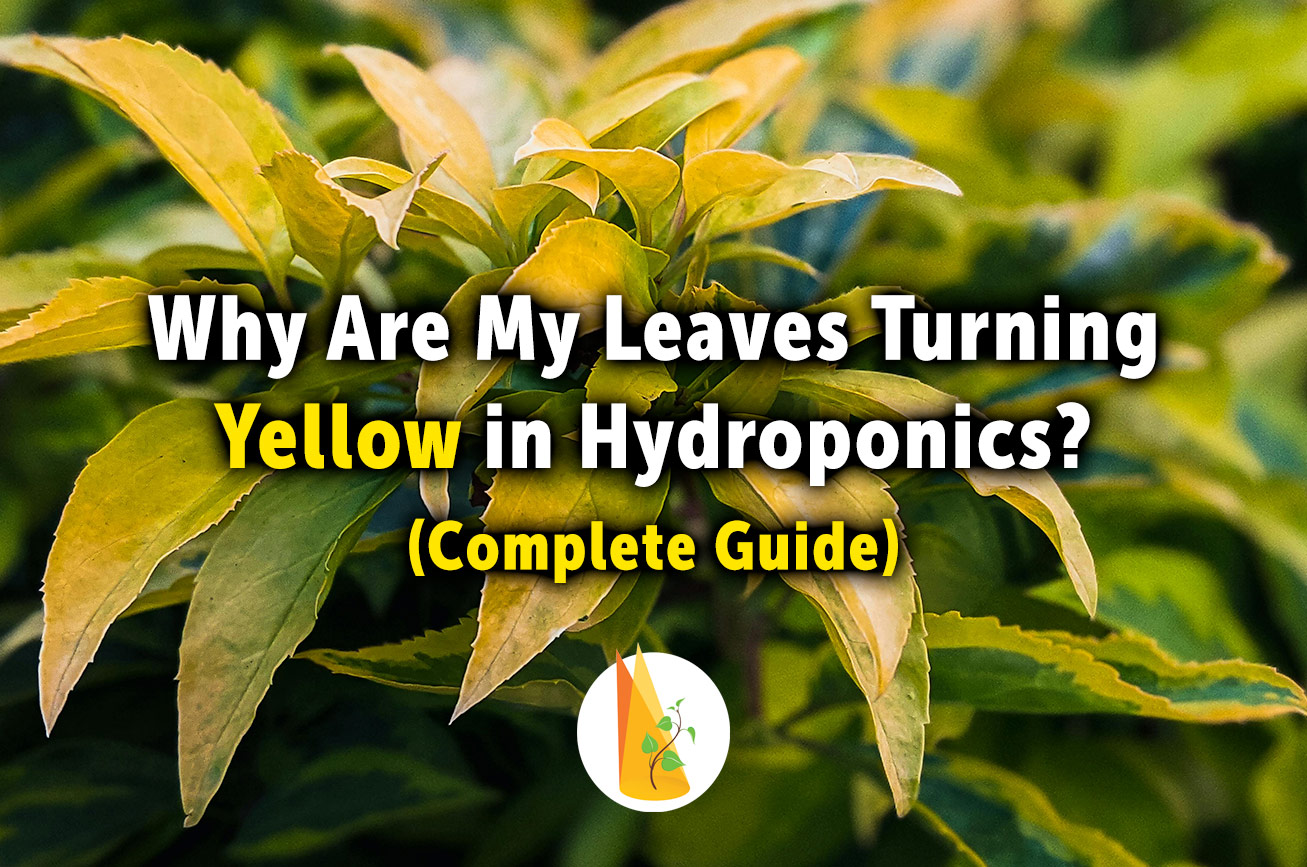
If your plants are developing yellow leaves in hydroponics, you’re not alone—this is one of the most common issues growers face.
The good news is that yellowing leaves are usually an early warning sign, meaning you can fix the problem before it affects your yield.
Hydroponic growing gives you full control over nutrients and environment, but when something goes wrong, it usually comes down to nutrients, pH, or environmental conditions.
What Causes Yellow Leaves in Hydroponics?
Nutrient Deficiencies
One of the most common causes of yellowing in hydroponic systems is a lack of essential nutrients.
- Nitrogen deficiency: older leaves turn yellow first
- Iron deficiency: new growth becomes pale or yellow
- Magnesium deficiency: yellowing appears between leaf veins
Even when feeding is correct, deficiencies can still appear if nutrient uptake is blocked.
pH Imbalance (The Hidden Cause)
If pH drifts outside the 5.5–6.5 range when growing hydroponically, certain elements become unavailable to the plant. This is known as nutrient lockout.
It often presents the same way as a deficiency, even when nutrients are present in the reservoir.
Humidity Issues
Low humidity can also contribute to yellowing leaves in hydroponics. When humidity is too low, stomata may close to reduce moisture loss. This reduces transpiration and can restrict nutrient uptake, leading to symptoms that resemble nutrient deficiencies or lockout.
Temperature Stress
Temperature plays a major role in plant health when growing hydroponically. If conditions are too hot or too cold, nutrient uptake becomes less efficient and plant metabolism slows down.
The Royal Horticultural Society highlights that maintaining stable, appropriate temperatures is essential for healthy plant growth, as both excessive heat and low temperatures can disrupt growth processes and reduce overall plant performance.
Overfeeding or Underfeeding
Too little feed: plants become starved
Too much feed: root damage or nutrient burn
Both issues commonly result in yellowing in hydroponic setups.
Natural Leaf Aging
If only the lowest, oldest leaves are turning yellow, the plant may simply be shedding older growth. This is normal in both soil and hydroponics.
How to Fix Yellow Leaves in Hydroponics
Step 1: Check Your pH
Ideal range: 5.5–6.5
Adjust gradually to avoid stressing plants
Step 2: Check Nutrient Strength (EC)
Low EC: increase feeding slightly
High EC: dilute or flush system
Check runoff EC: if runoff is higher than your input solution, it may indicate salt buildup and possible nutrient lockout
Step 3: Refresh Your Reservoir
Old nutrient solutions can become unstable over time.
Replace your hydroponic reservoir every 1–2 weeks for best results.
Step 4: Use a Balanced Nutrient Feed
A complete nutrient solution ensures plants receive everything they need and helps prevent deficiencies before they develop.
Pro Tips to Prevent Yellowing in Hydroponics
Keep pH stable and avoid constant adjustments
Use clean water (RO if possible)
Maintain a consistent feeding schedule
Ensure your environment is properly dialled in — humidity, temperature, and airflow all play a major role in hydroponic growth
Monitor plants daily for early signs of stress
Conclusion
Yellow leaves in hydroponics are usually a sign that something in the system is out of balance.
In most cases, the issue comes down to pH, nutrients, or environmental stress such as humidity and temperature.
Once these fundamentals are dialled in, most yellowing problems in hydroponically grown plants can be prevented entirely.