Why a Heat Mat Is a Game-Changer for Plant Propagation
If you’ve ever sown seeds or taken cuttings only to watch them sit in cold, damp compost doing absolutely nothing, you’re not alone. One of the most overlooked factors in successful propagation isn’t watering, lighting, or even fertiliser — it’s temperature. A simple heat mat can dramatically improve germination rates and rooting success by giving young plants the one thing they crave most: consistent warmth at the root zone.
1. Faster and More Reliable Germination
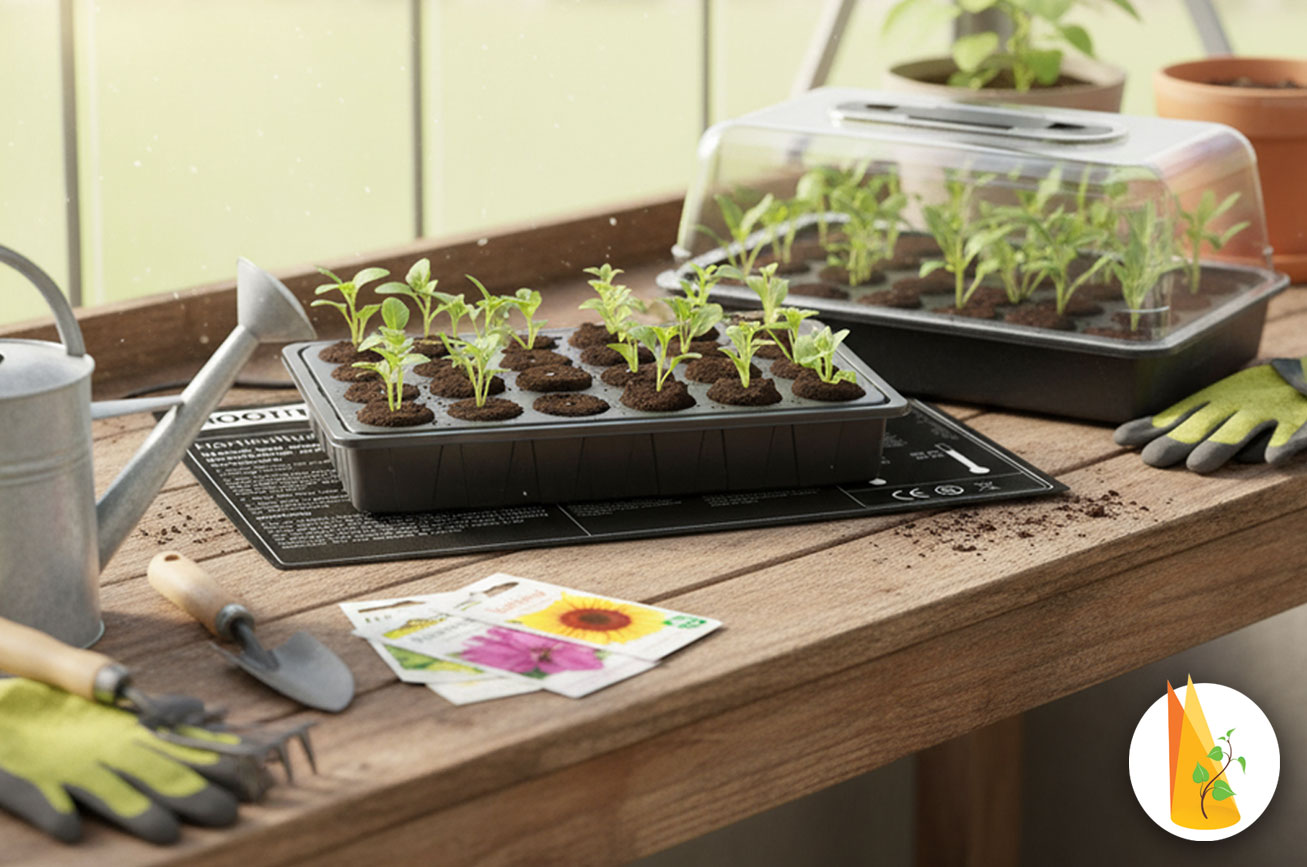
Most seeds don’t actually fail because they’re old or poor quality — they fail because the soil temperature is too low. Many popular plants (especially tomatoes, chillies, peppers, basil and houseplants) naturally germinate in warm climates where soil temperatures sit around 20–26°C. In a typical UK home, windowsills in late winter or early spring rarely reach this level, and overnight temperatures can drop sharply. A heat mat keeps the compost warm 24/7, encouraging seeds to sprout days — sometimes weeks — earlier and far more evenly.
2. Improved Root Development in Cuttings
When propagating cuttings, roots form before leaves start growing. Cold compost slows down cell activity inside the cutting, meaning roots either take much longer to appear or fail altogether. Bottom heat gently warms the rooting medium, stimulating hormone activity and cell division right where roots need to develop. This is particularly helpful for plants like coleus, geraniums, houseplants, and many shrubs.
3. Earlier Starts to the Growing Season
Gardeners often want to start seeds in February or March, but natural soil temperatures outdoors — and even in unheated greenhouses — are still winter-cold. A heat mat allows you to begin sowing weeks earlier, producing stronger, transplant-ready plants by the time outdoor conditions improve. This is especially valuable for long-season crops like chillies and peppers that otherwise never reach their full potential in cooler climates.
4. Prevents Rot and “Damping Off”
One of the biggest killers of seedlings is damping off — a fungal disease that causes seedlings to collapse at soil level. It thrives in cold, wet compost. Without warmth, moisture lingers around the seedling stem, creating the perfect environment for pathogens. Heat mats help the soil dry slightly between waterings and keep beneficial biological activity higher, greatly reducing fungal problems and seed rot.
5. Solves Common Winter Propagation Problems
Propagation indoors often runs into the same frustrating issues:
Seeds sitting in compost for 2–3 weeks without sprouting
Cuttings turning mushy at the base
Mould growing on the soil surface
Patchy germination across trays
Seedlings suddenly collapsing after sprouting
Nearly all of these are linked to cold root temperatures rather than poor care. Even if the room feels warm to you, the surface you place trays on (stone windowsills, shelves, or greenhouses) is usually much colder. A heat mat separates the plants from that cold sink.
Final Thoughts
A heat mat isn’t just a convenience — it corrects the main environmental mismatch between a plant’s natural habitat and our homes. By warming the roots while the surrounding air stays cooler, you create ideal conditions for germination and rooting. The result is quicker sprouting, stronger roots, fewer diseases, and far less frustration. For many growers, it becomes one of those tools you didn’t realise you needed — until you try propagating without it again.
Related Links
Product Recomendations
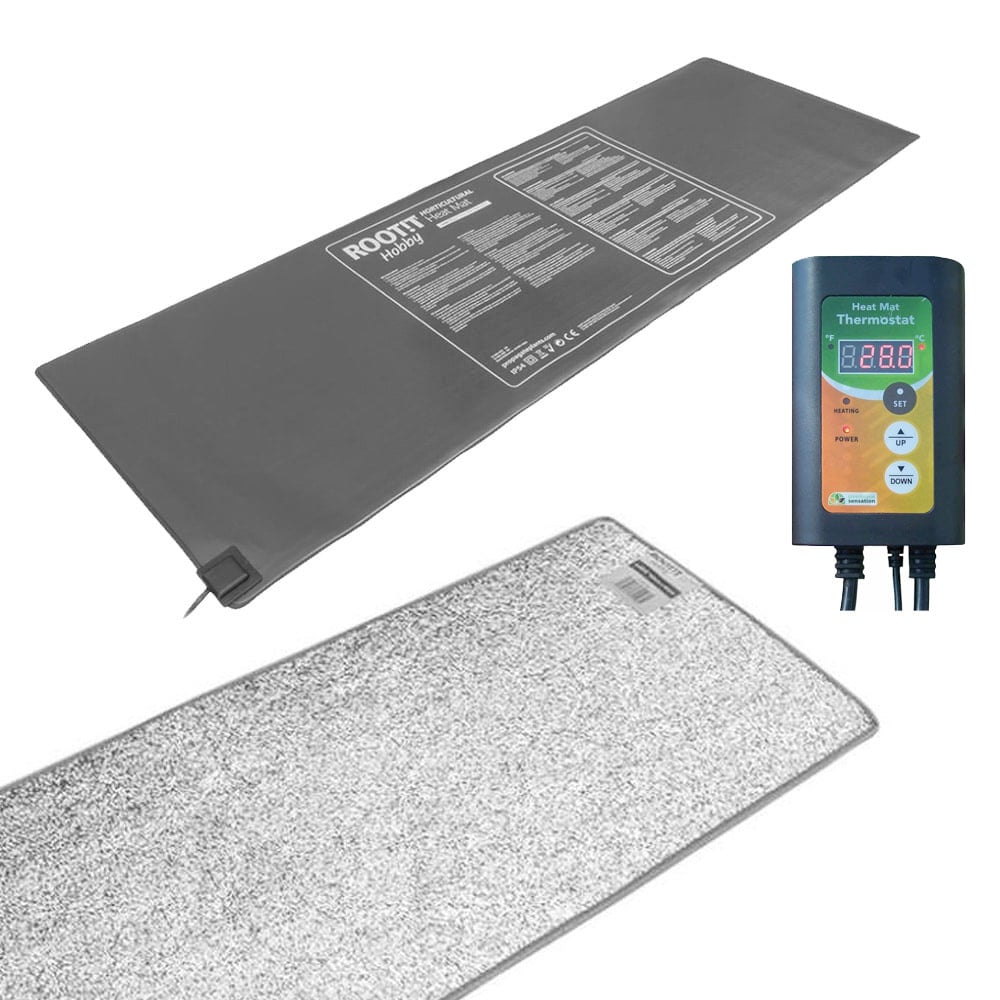
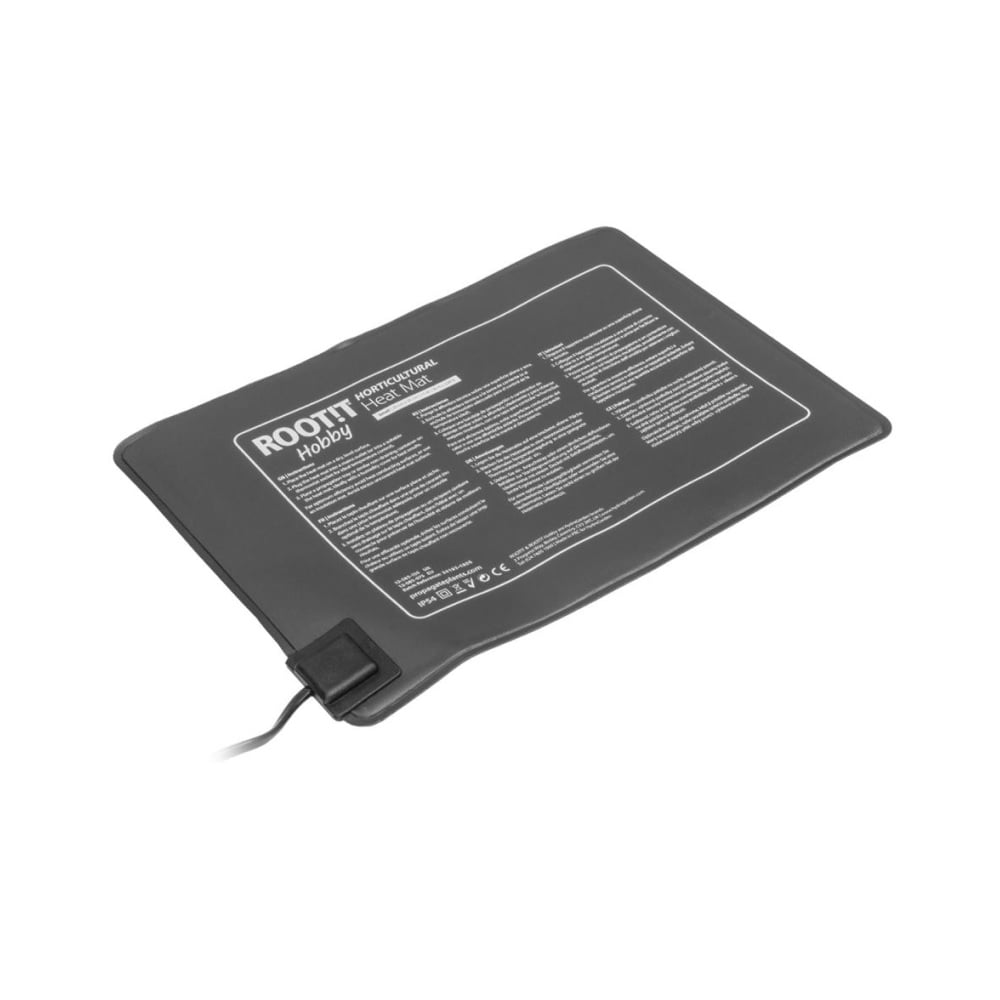
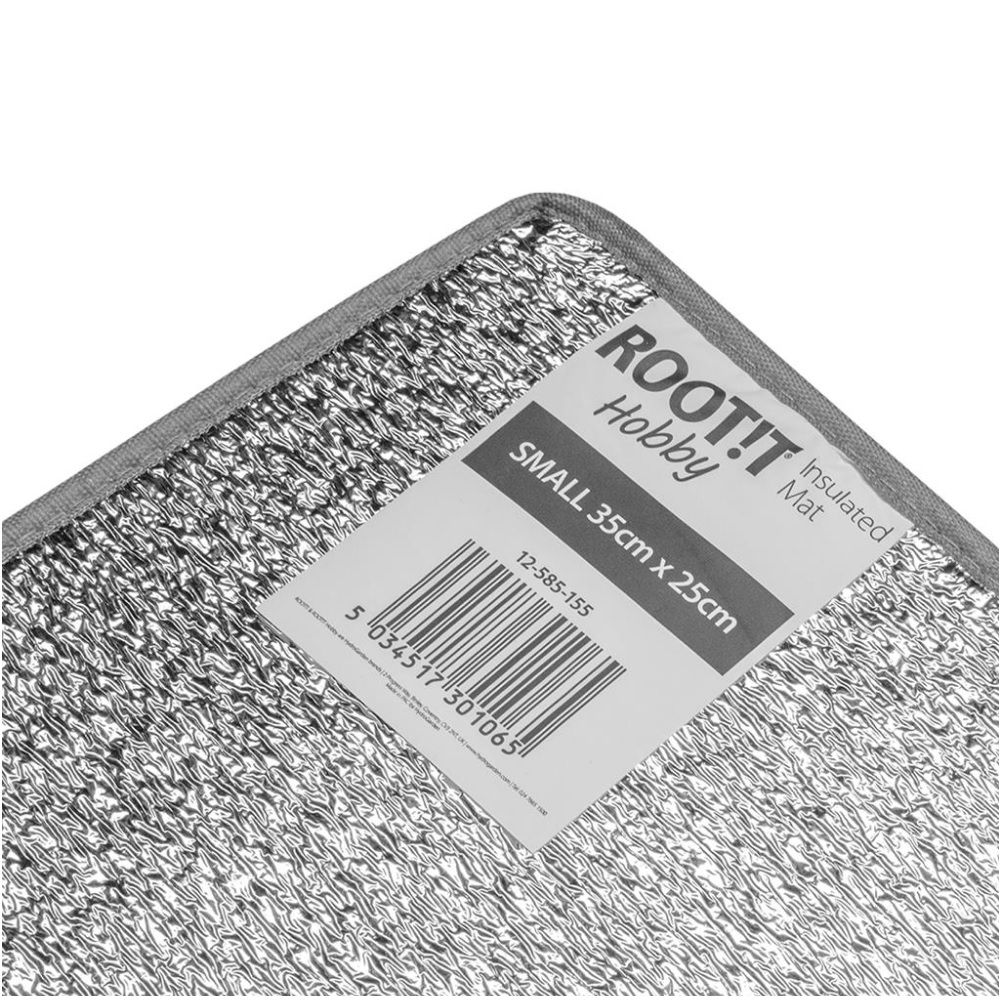
All in all, we highly recommend the use of heat mats, you can get a variety of heat mats and bundles here at GHEDirect…
Root!t Heat Mat Bundle
Root !T Hobby Heat Mats
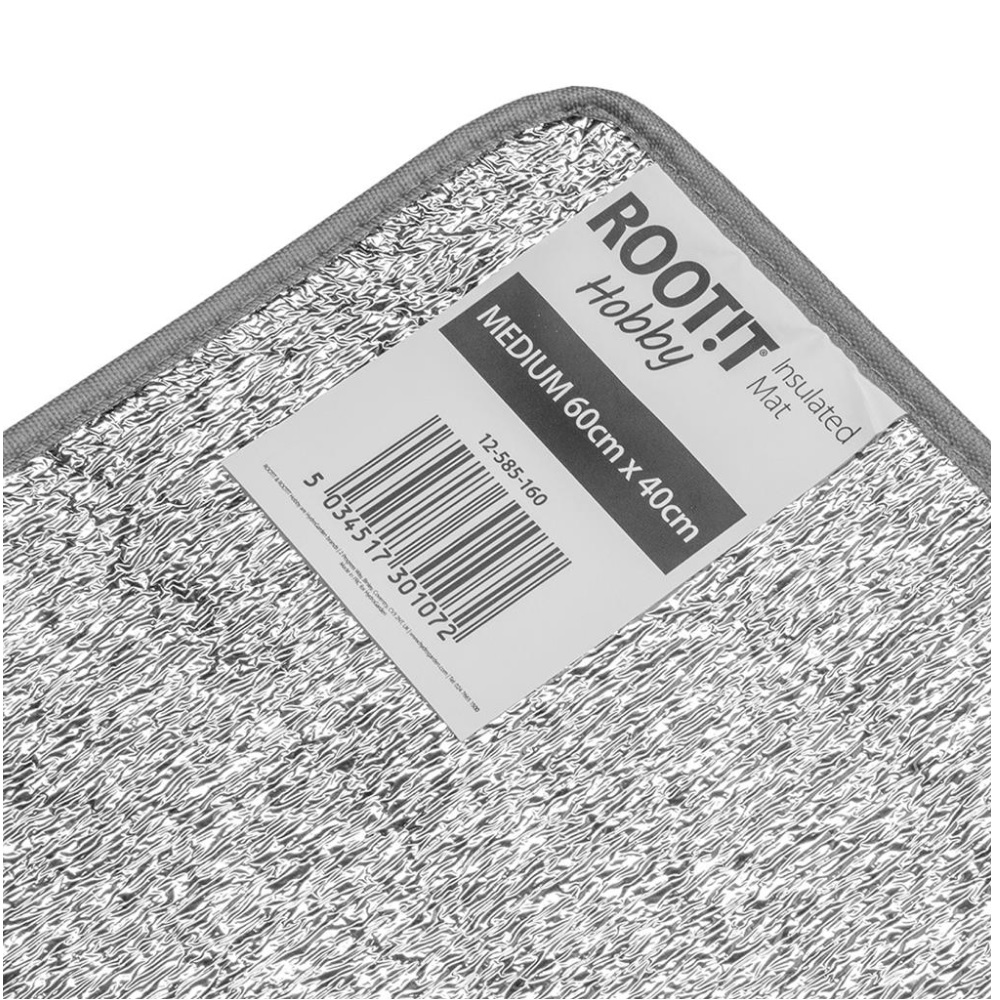
Root !T Insulated Mats for Heat Mats