Heatwave Survival Tips for Hydroponic Growers
Summer can be one of the most challenging times of year for hydroponic growers. While plants love warmth and light, excessive heat inside a grow room or greenhouse can quickly create problems below the surface — especially in the root zone.
At GHEDirect, we regularly help growers troubleshoot issues caused by rising temperatures during heatwaves. From overheated reservoirs to oxygen-starved roots, high temperatures can affect plant health faster than many people realise.
The good news? With the right preparation and a few smart adjustments, you can keep your hydroponic system stable and productive throughout the hottest periods of the year.
Here are our top heatwave survival tips for hydroponic growers.
1. Keep Reservoir Temperatures Under Control
One of the biggest hidden dangers during a heatwave is rising nutrient solution temperature.
As water temperatures increase, dissolved oxygen levels decrease. This means your roots have access to less oxygen exactly when plants are already under stress from the heat.
Warm nutrient solutions can lead to:
- Slower plant growth
- Drooping or stressed plants
- Poor nutrient uptake
- Brown or slimy roots
- Increased risk of root rot
For most hydroponic systems, the ideal nutrient temperature range is around:
18–20°C (64–68°F)
Once temperatures rise above this range for prolonged periods, roots can begin struggling. Running at this temperature also prevents the risk of root rot where pythium can become a problem.
Expert Tip:
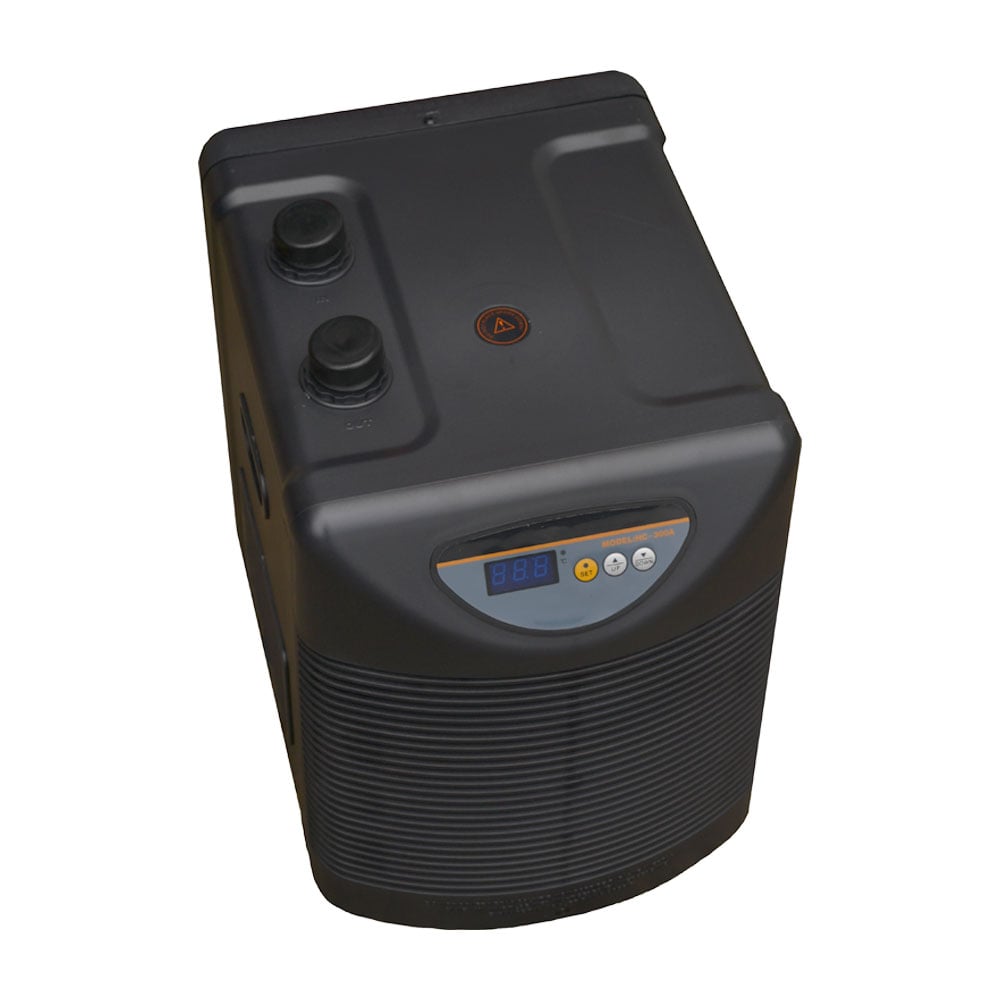
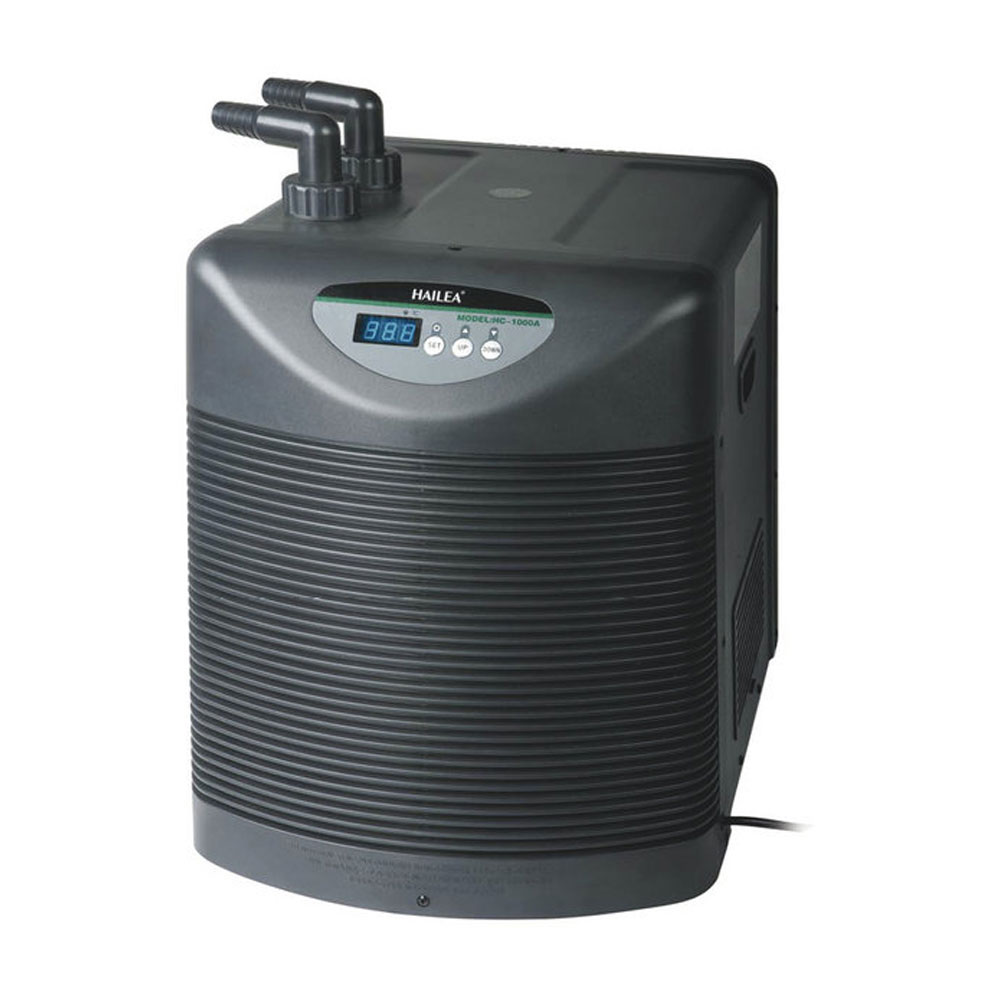
Using a nutrient chiller such as a Hailea Chiller is one of the most effective ways to stabilise reservoir temperatures during summer. It helps maintain oxygen-rich nutrient solutions and reduces stress on the root zone.
2. Increase Oxygen Levels in Your System
During hot weather, roots need as much oxygen as possible.
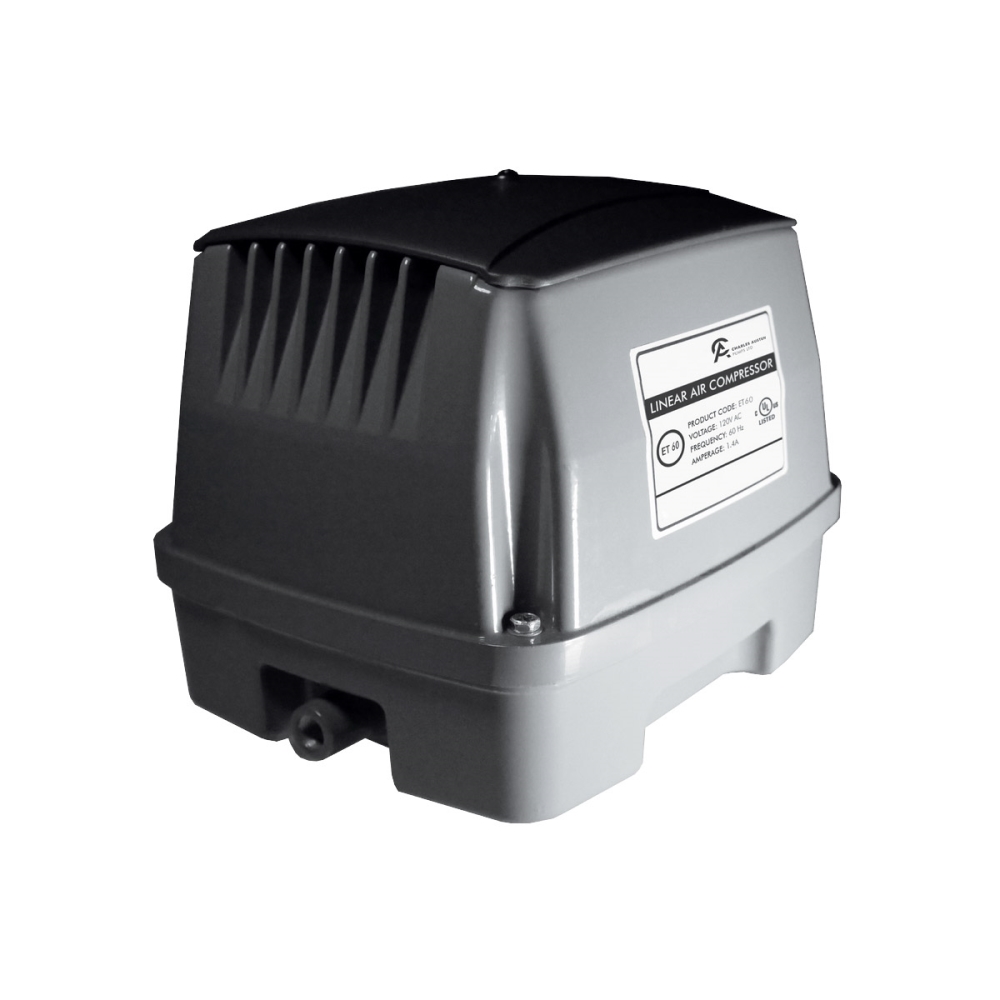
Even if you already run air stones or circulation pumps, it may help to increase aeration during a heatwave.
You can improve oxygen availability by:
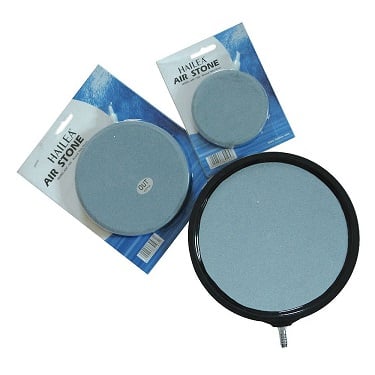
- Adding additional air stones
- Upgrading your air pump
- Improving water circulation
- Preventing stagnant areas in the reservoir
Healthy roots are usually bright white and highly branched. If roots begin darkening or becoming slimy, heat and low oxygen levels are often contributing factors.
3. Improve Airflow Around Plants
Good airflow becomes even more important during periods of extreme heat.
Stagnant air allows hot spots to develop around plants and lighting systems, increasing stress and humidity levels.
Make sure your grow space has:
- Proper extraction
- Fresh air intake
- Oscillating fans
- Consistent air movement throughout the canopy
Even simple airflow improvements can help regulate temperatures and reduce stress.
4. Run Your Lights During Cooler Hours
Lighting systems generate a significant amount of heat, especially during summer.
Many growers reduce daytime temperatures by switching their light cycle to run overnight when ambient temperatures are lower.
For example:
- Lights ON at night
- Lights OFF during the hottest part of the day
This simple adjustment can make a noticeable difference in grow room temperatures during heatwaves.
5. Reducing Light
Don’t be afraid to turn down or even switch off some lights if temperatures are too high.
For example, if we are running four lights in a growing area and the temperature becomes excessive, we can dim adjustable lights until the temperature drops. If it is still too high, we can switch off additional lights to reduce the temperature further.
In this situation, we would alternate which lights are turned off each day to reduce the plants’ natural tendency to grow towards the light source.
As long as some light is available during the normal light period, the light cycle will be maintained.
6. Protect Your Reservoir From Heat
Reservoirs can absorb heat surprisingly quickly, especially if exposed to direct light or sitting inside warm grow rooms.
To reduce heat build-up:
- Keep reservoirs shaded
- Use insulated reservoir covers
- Avoid placing tanks directly under grow lights
- Use reflective materials where possible
Preventing heat entering the reservoir is often easier than cooling it afterwards.
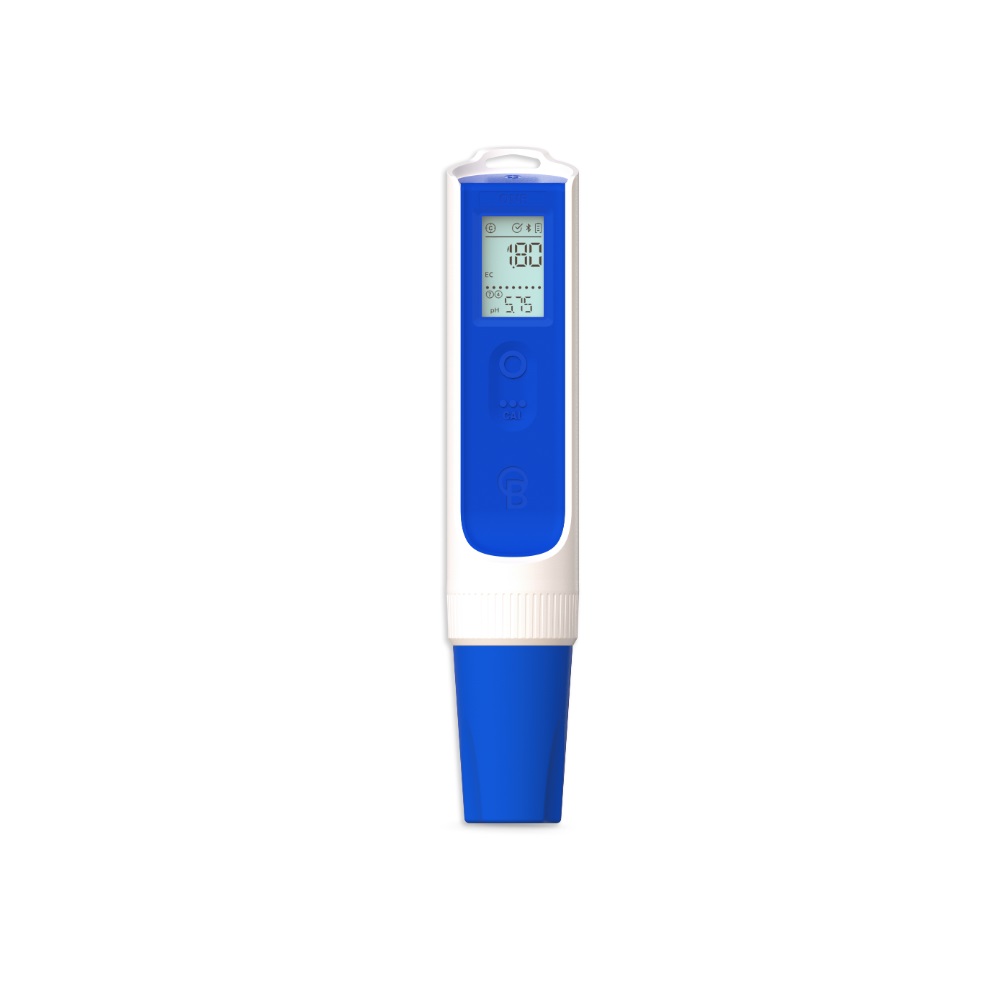
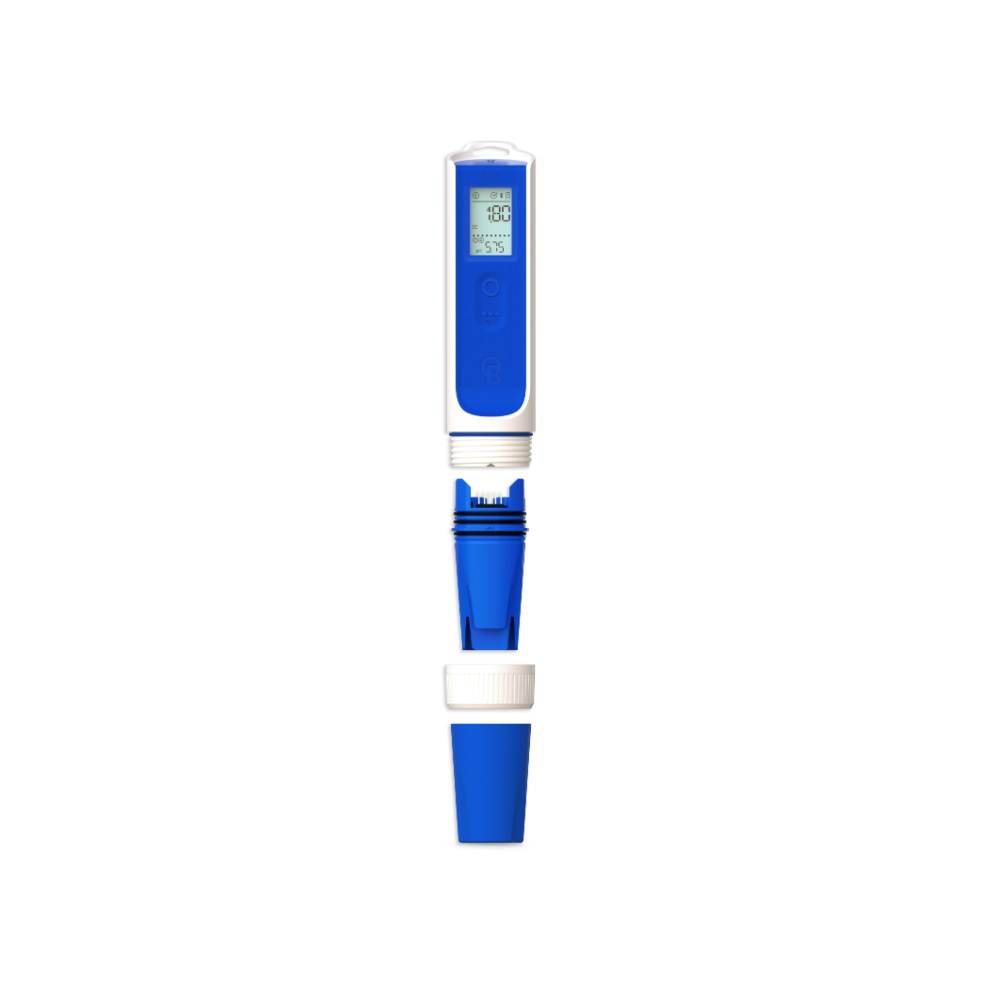
7. Monitor EC and pH More Frequently
Plants often consume water faster during hot weather, which can cause nutrient concentrations to fluctuate more quickly than normal.
During a heatwave, it’s a good idea to:
- Check pH daily
- Monitor EC levels closely
- Top up reservoirs more frequently
- Watch for signs of nutrient stress
Small environmental changes can create rapid shifts in nutrient balance.
8. Don’t Ignore Early Warning Signs
Heat stress can escalate quickly in hydroponic systems.
Some common warning signs include:
- Wilting leaves
- Slow growth
- Curling leaf edges
- Root discoloration
- Rising reservoir temperatures
- Increased water consumption
The earlier you respond, the easier it is to stabilise the system before major issues develop.
Final Thoughts
Hydroponic growing during summer doesn’t have to become a constant battle against heat.
Of course we can help to reduce temperature by removing heat generating equipment from the growing area, ballasts can be connected to the LED/reflector with extension leads and air pumps can be connected to air stones with longer pipes.
But by focusing on root-zone temperatures, oxygen levels, airflow, and environmental stability, growers can protect plant health and maintain strong growth even during extreme weather conditions.
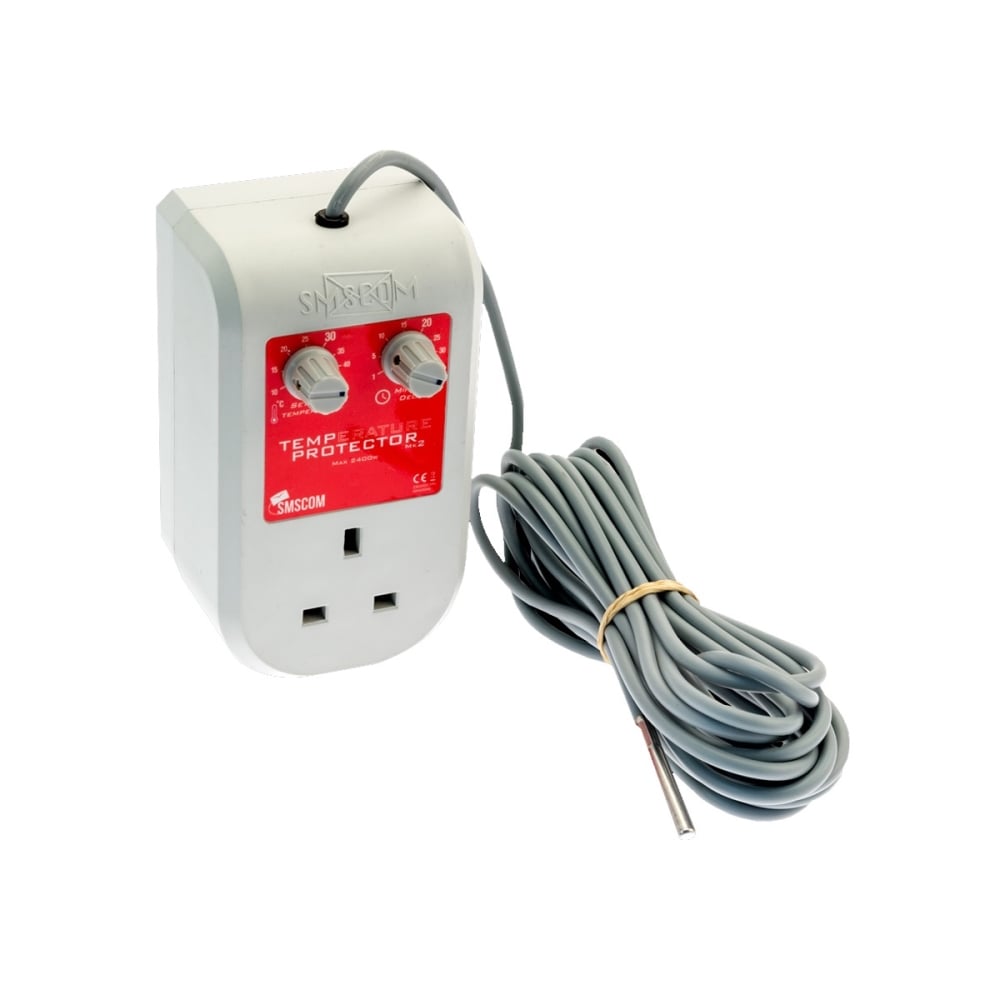
At GHEDirect, we stock a wide range of hydroponic cooling solutions, nutrient chillers, air pumps, fans, and environmental control equipment to help growers prepare for summer growing conditions.
If you’re unsure whether your system is ready for the next heatwave, our team is always happy to help advise on the best setup for your grow space.
Recommended Products: