Advanced Guide: How to Increase Nutrient Uptake
If your plants aren’t performing the way they should, the issue often isn’t what you’re feeding them—it’s what they’re actually able to absorb.
Nutrient uptake is one of the most misunderstood aspects of hydroponic growing. Many growers respond to slow growth or deficiencies by increasing feed strength, when in reality, this can make the problem worse.
At GHEDirect, we approach things differently. Instead of asking “what should I add?”, we ask “what’s preventing uptake in the first place?”
This guide breaks down the real drivers of nutrient absorption—and the advanced, often overlooked ways to improve it.
What Is Nutrient Uptake (Really)?
Nutrient uptake isn’t just about roots sitting in a solution. It’s an active process driven by:
- Transpiration (water movement through the plant)
- Root pressure and oxygen availability
- Environmental signals (light, temperature, humidity)
- Ion balance within the nutrient solution
If any one of these is out of sync, uptake slows—no matter how “perfect” your feed chart looks.
1. Optimise Transpiration: The Engine Behind Nutrient Movement
Plants don’t “eat”—they drink. Nutrients are pulled up with water through transpiration.
If transpiration slows, nutrient uptake follows.
How to improve it (beyond the obvious):
- Maintain consistent airflow across the canopy, not just room circulation
- Avoid overly high humidity during lights-on
- Ensure leaves aren’t significantly cooler than the air (common under LEDs)
Advanced insight:
Slight increases in airflow can often improve uptake more effectively than increasing EC.
2. Dial In VPD Instead of Just Temperature & Humidity
Many growers treat temperature and humidity separately. In reality, plants respond to Vapour Pressure Deficit (VPD)—the relationship between the two.
A poor VPD can:
- Stall transpiration
- Reduce calcium transport
- Lead to weak growth even in “ideal” conditions
Practical target ranges:
- Veg: ~0.8–1.1 kPa
- Flower: ~1.0–1.3 kPa
Advanced insight:
You can have “perfect” temperature and humidity readings that still result in poor uptake if VPD is off.
3. Increase Root Zone Oxygen—Properly
Oxygen in the root zone is critical for active nutrient transport. But more air isn’t always the answer—better oxygenation is.
What actually works:
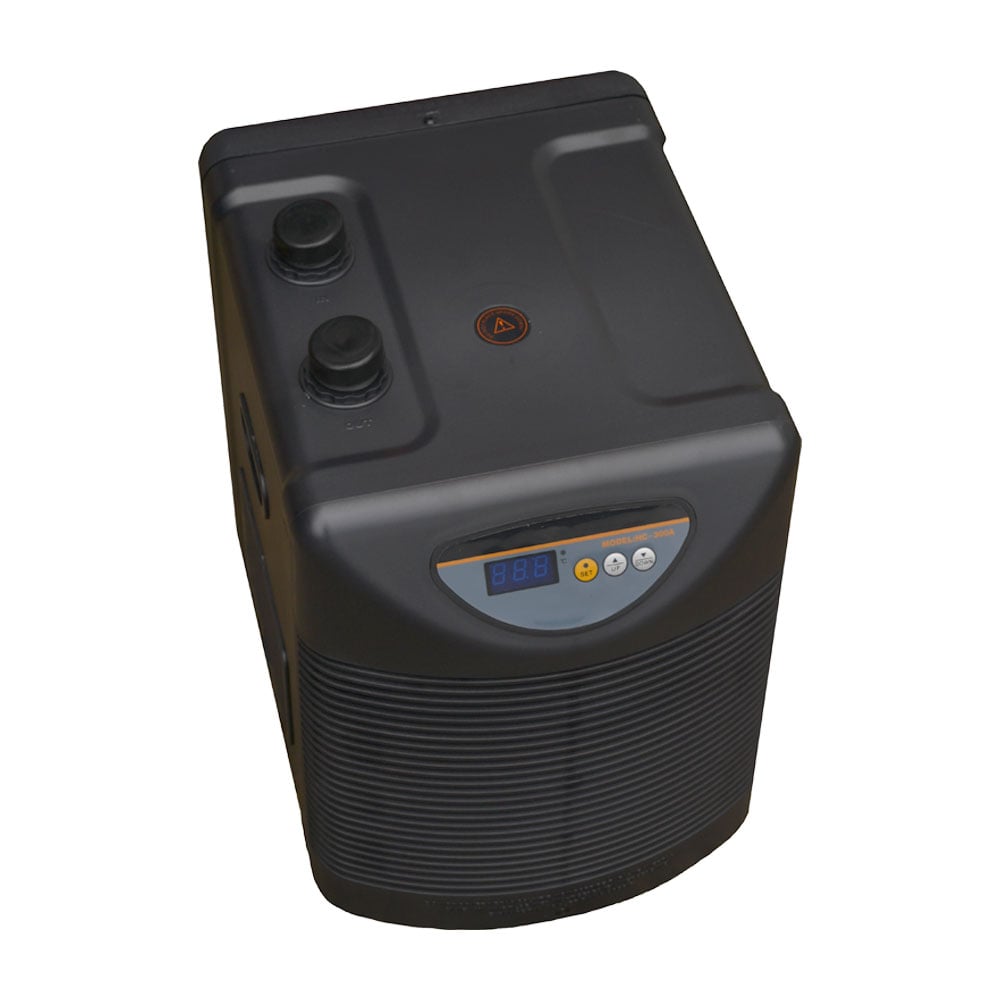
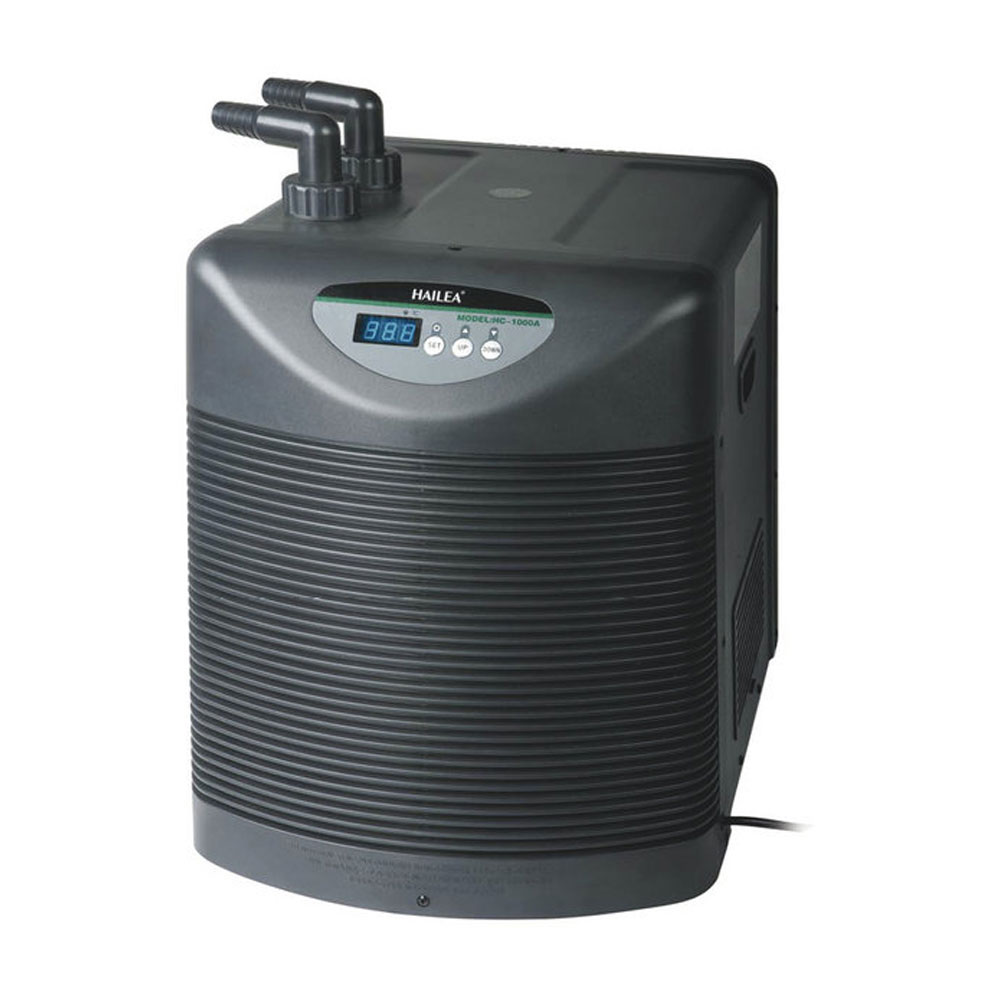
- Keep nutrient solution between 18–20°C
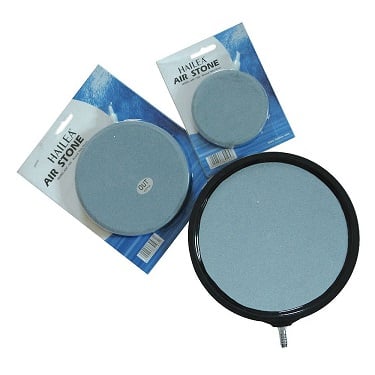
- Use high-quality air stones that produce fine bubbles
- Prevent organic buildup and biofilm in your system
What’s often overlooked:
Warm water holds less oxygen. Even a 2–3°C increase can significantly reduce dissolved oxygen levels.
Advanced insight:
Lowering water temperature is often more effective than adding extra aeration.
4. Manage Nutrient Ratios, Not Just EC
High EC doesn’t guarantee high uptake. In fact, it can create nutrient lockout.
Certain nutrients compete with each other:
- Excess potassium (K) can reduce calcium (Ca) and magnesium (Mg) uptake
- High ammonium nitrogen can suppress calcium absorption
- Imbalanced micronutrients can interfere with enzyme activity
What experienced growers do:
- Adjust ratios based on growth stage
- Avoid overloading bloom feeds too early
- Watch plant response, not just runoff numbers
Advanced insight:
Deficiencies are often caused by imbalance—not absence.
5. Let pH Drift (Within Range)
Trying to lock pH at a single number can limit nutrient availability.
Different nutrients are absorbed more efficiently at slightly different pH levels.
Ideal strategy:
Allow pH to drift naturally between:
- 5.5 – 6.2 in hydro systems
This gives plants access to a wider nutrient spectrum over time.
Advanced insight:
A gentle upward pH drift is often a sign of healthy nutrient uptake—not a problem to fix immediately.
6. Match Feeding Strength to Light Intensity
Nutrient demand is directly linked to photosynthesis—and that’s driven by light.
What this means in practice:
- Higher light intensity → higher nutrient demand
- Lower light intensity → reduced uptake capacity
Feeding heavily under weak lighting leads to:
- Salt buildup
- Root stress
- Reduced water uptake
Advanced insight:
Your lighting dictates your feeding ceiling—not the feeding chart.
7. Improve Water Quality (The Hidden Limiter)
Your base water can quietly affect everything.
Issues like high bicarbonates or unwanted minerals can:
- Buffer pH unpredictably
- Interfere with nutrient availability
- Create inconsistent results
Solutions:
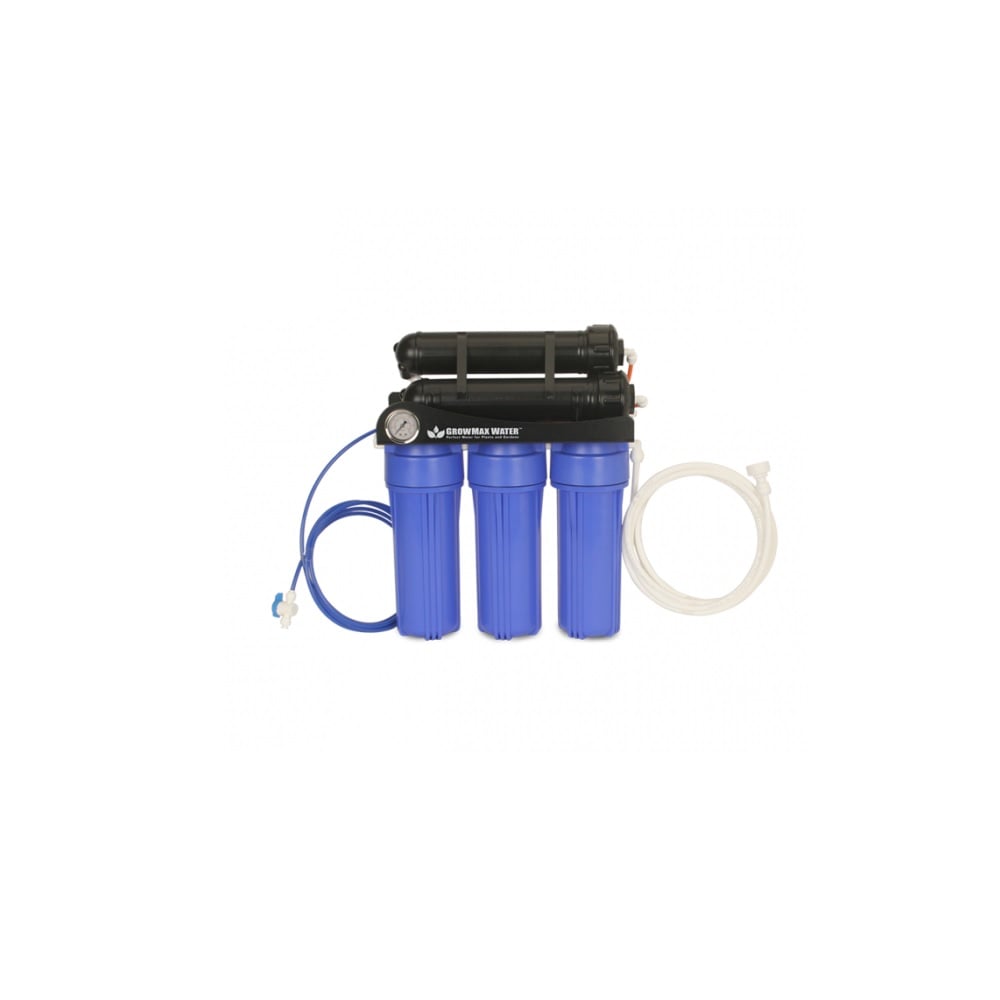
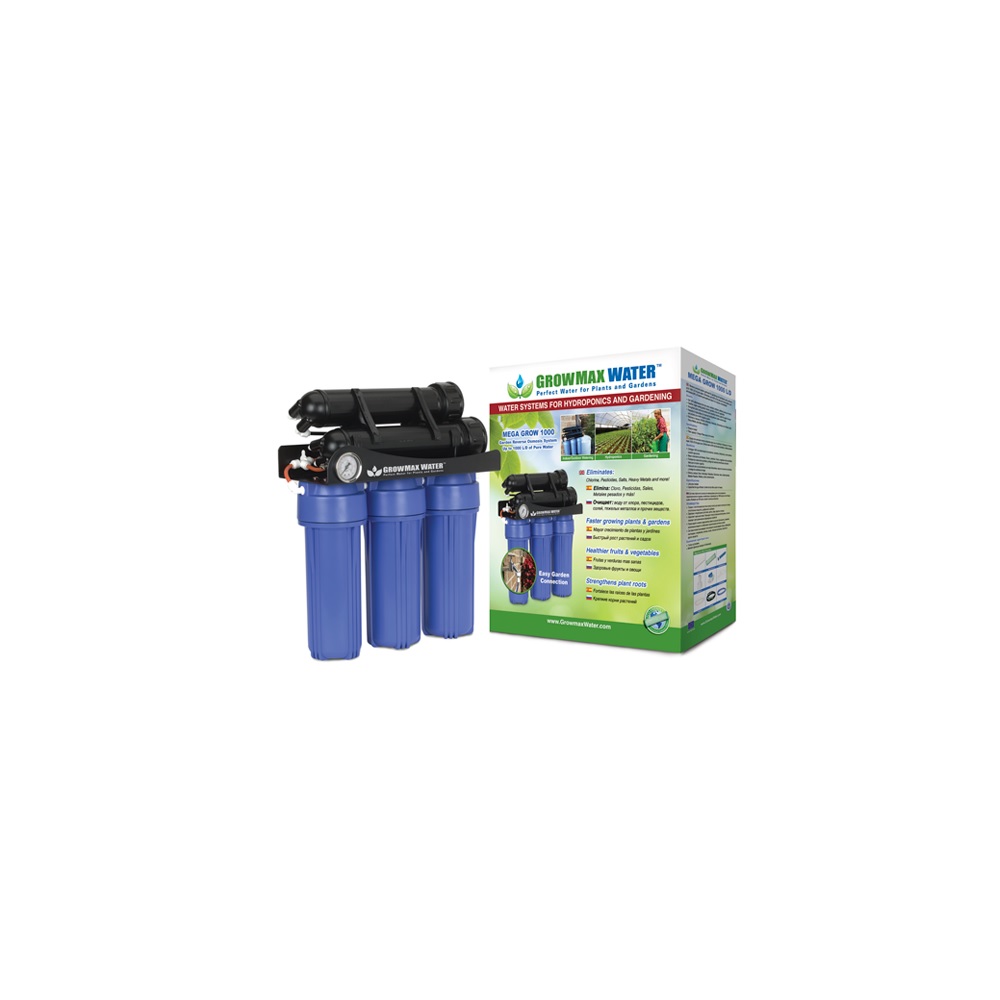
- Use reverse osmosis (RO) water for full control
- Or at least test your source water beyond basic EC
Advanced insight:
If your grow feels inconsistent, your water source is often the reason.
8. Encourage Root Efficiency, Not Just Root Mass
Bigger roots don’t always mean better uptake—healthier roots do.
To improve root performance:
- Use enzymes to break down dead organic matter
- Maintain a clean system or a stable beneficial microbe population
- Avoid constant environmental swings
Optional advanced approach:
Introduce mild, controlled stress (like slight dry-back in certain systems) to stimulate root branching.
Advanced insight:
Efficient roots absorb more than oversized, stressed ones.
Final Thoughts: Uptake Is About Environment, Not Just Nutrients
If there’s one takeaway, it’s this:
You don’t increase nutrient uptake by adding more nutrients—you increase it by removing the barriers to absorption.
At GHEDirect, we help growers go beyond generic advice and understand how their systems actually function. Once you align environment, root health, and nutrient balance, plants don’t just grow—they perform.